

Choosing the right water pump is not just about picking the largest machine on the shelf. In the field of drainage, “bigger” does not always mean “better”. It usually just means “heavier” and “more expensive”. If you are dealing with slurry, sandy runoff, or flooded basements, you might need a semi-trash water pump. These machines are the “main force” in the world of pumps, perfectly situated between standard clean water pumps and heavy full sewage pumps.
In view of your particular job site, it is of utmost importance to choose the right size of the machine. At present, the commonly available ones in the market include 2-inch semi-trash pumps and 3-inch semi-trash pumps. Although they seem similar at first glance, their differences, especially in terms of performance, portability, and costs, are quite substantial. Now, let’s explore these differences together.
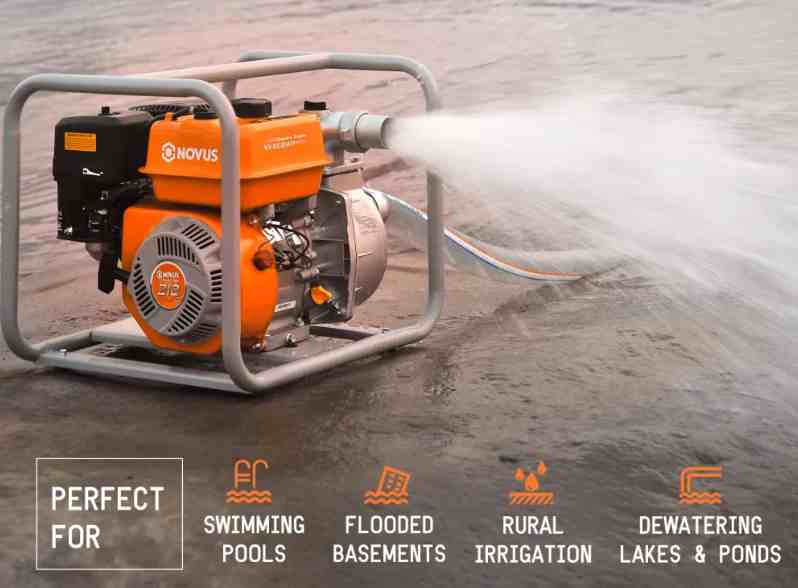
2-Inch vs 3-Inch Semi-Trash Water Pump: Capacity and Mobility
When comparing these two pumps, the most obvious difference is the diameter of the ports, but the real difference is in the volume of water it moves and the physical size of the pump.
How Much Water Can Each Pump Move?
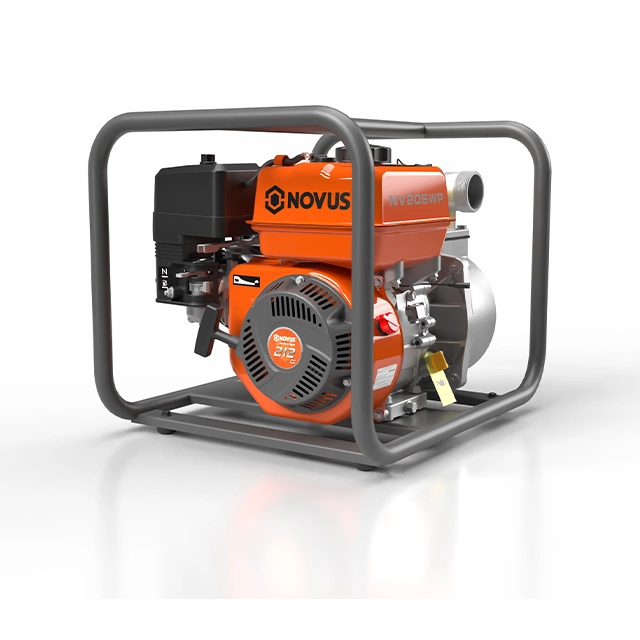
The 2-inch semi-trash water pump is designed to handle moderate water volume. Most 2-inch water pumps are designed to handle 130 to 150 GPM. This is the perfect water pump for small to medium-sized jobs. If you are faced with the task of draining an average-sized yard pool or a crawlspace that is flooded, the 2-inch semi-trash water pump is the perfect choice. It is the perfect choice because it offers the best balance of speed with fuel efficiency.
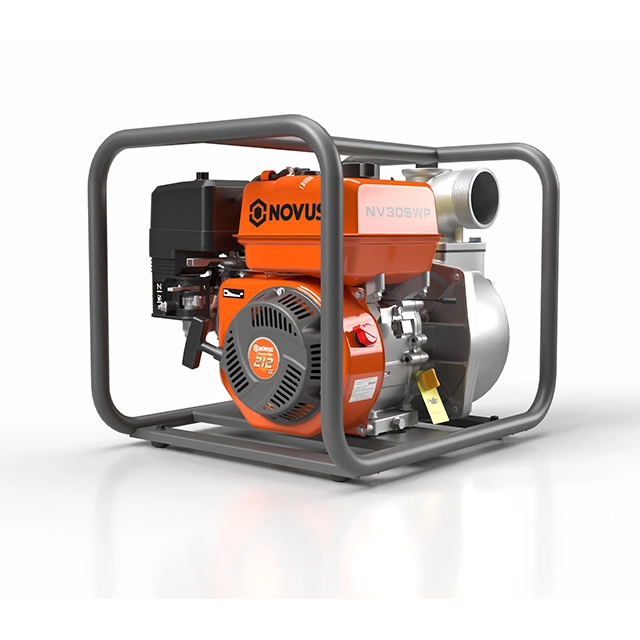
The 3-inch semi-trash water pump is a big jump in terms of the water volume it is designed to handle. This water pump is designed to handle 250 to 290 GPM. This is basically doubling the water volume that the 2-inch water pump is designed to handle. In the event of an emergency, the 3-inch water pump is the only logical choice. This is because it is the only water pump that can handle such an emergency in the least amount of time. However, leads to higher fuel consumption.
Solid Handling Capabilities
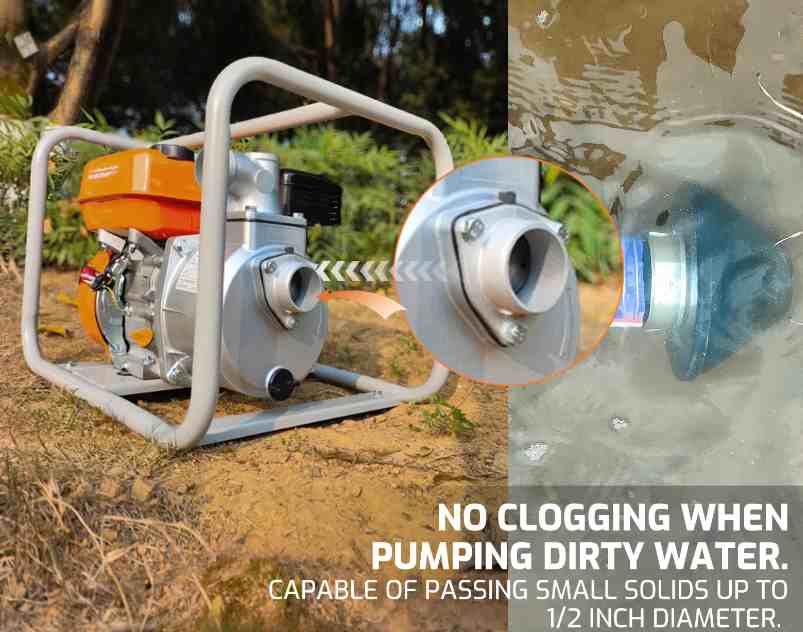
The 2 inch pump is able to handle solids up to 1/2 inch in diameter (similar to the size of a marble). This is the perfect pump for water with sand or light silt.
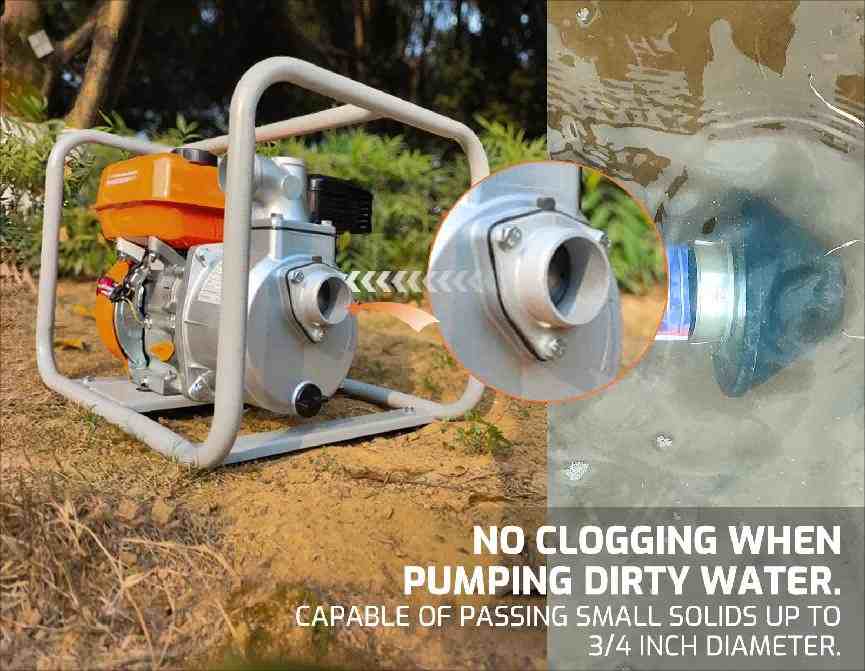
The 3 inch pump has a larger internal volute and is able to handle solids up to 3/4 inch or 1 inch in diameter (similar to the size of a golf ball).
If the water supply is heavily laden with debris, the larger internal passages of the 3-inch model serve as insurance against work stoppages. Not only does a clogged pump waste precious time, but it also puts tremendous stress on the engine and mechanical seals.
Best Applications for 2-Inch and 3-Inch Semi-Trash Pumps
Statistics on a page are one thing, but how these pumps perform in the mud is what matters most.
2-Inch Semi-Trash Pump: Lightweight and Portable for Small Jobs
The 2-inch semi-trash water pump is highly favored by residential contractors and amateur farmers. Its greatest advantage lies in its portability. Most 2-inch pumps weigh between 50 and 60 pounds, which means that one person can lift it out of the truck bed and move it to the water source without the need for assistance from others.
- Residential flood prevention: If the water pipe bursts or heavy rain causes water accumulation in the basement, the 2-inch pump is easy to operate as it can be moved with ease even in a confined space.
- Small-scale irrigation: For gardeners or small farmers who need to transfer pond water to water tanks, the 2-inch pump has sufficient pressure and is convenient for daily transportation.
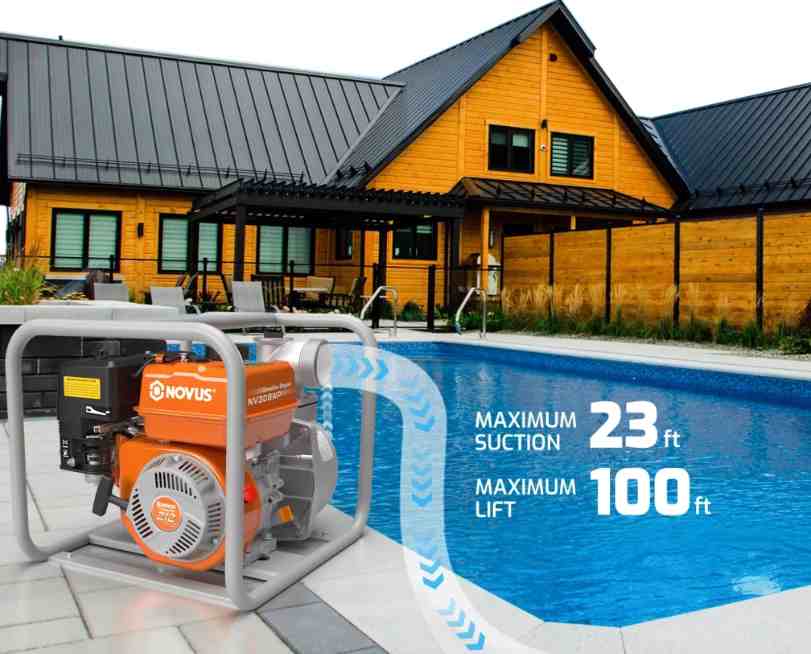
- Pool maintenance: For pool service professionals who require reliable, compact equipment that doesn’t take up too much space on the service vehicle, this pump is the standard choice.
3-Inch Semi-Trash Pump: High-Capacity Pump for Heavy-Duty Drainage
When dealing with professional construction sites, the 3-inch semi-trash water pump becomes the industry standard. This pump is specifically designed for large-volume drainage and is particularly suitable for “active” drainage environments – that is, when you try to pump water, the water is still flowing into the puddle.
- Drainage at construction site: Before pouring the foundation, it is necessary to ensure that the ground is dry. A 3-inch pump can quickly remove the accumulated water and ensure the progress of the construction.
- Agricultural drainage: After heavy rain, large areas of farmland may become flooded, leading to poor crop harvests. A 3-inch pump can deliver thousands of gallons of water per hour, saving the crops.
- Municipal emergency use: For municipal departments dealing with road water accumulation or emergency rescue personnel, the 3-inch pump can handle larger debris and a greater volume of water, which is of vital importance for public safety.
Budgeting for the Long Haul: It’s More Than Just the Unit Price
A common mistake is to only focus on the price tag of the pump itself. To truly understand the cost, you must consider the entire “system” as a whole.
The Hidden Cost of Hoses
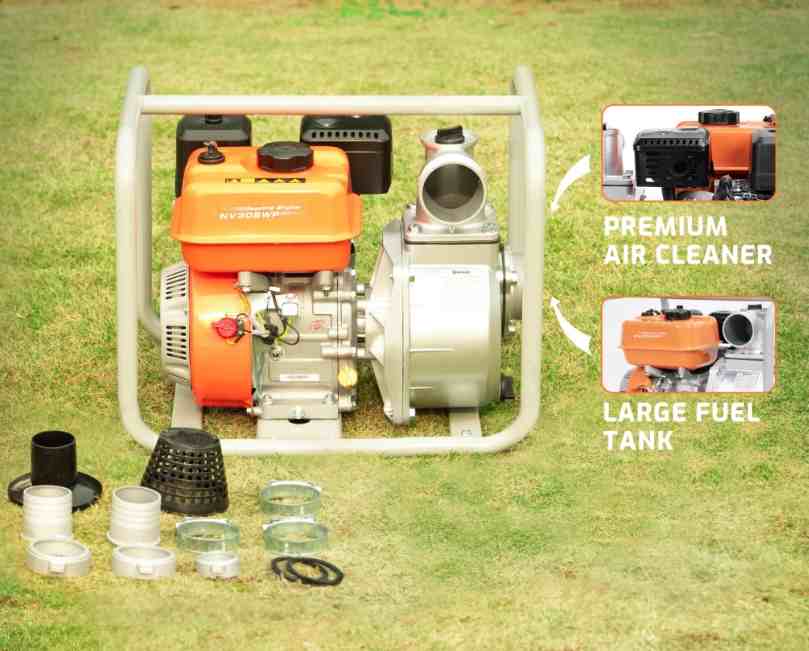
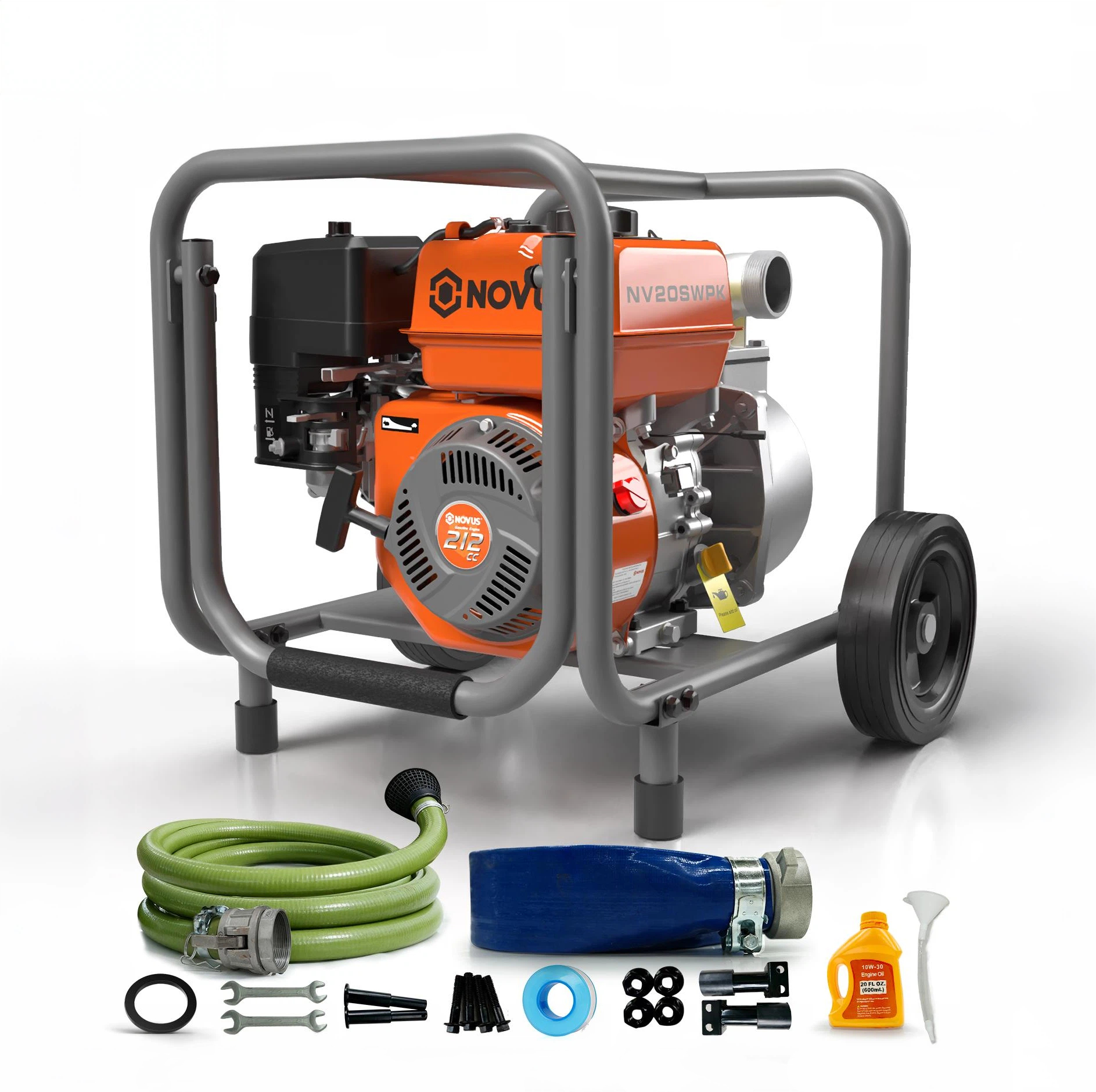
The price of the 3-inch water-absorbing hose is significantly higher compared to the price of the 2-inch water-absorbing hose. This is due to the fact that, being wider, the 3-inch water-absorbing hose needs more materials and reinforcement to ensure that it does not collapse when placed in a vacuum environment. The price of the 3-inch connectors, such as the cam lock connector, is also higher compared to the price of the 2-inch connectors.
The price of a 3-inch system may be 40% to 60% higher for every foot of the hose compared to the price of a 2-inch system for every foot of the hose. The 3-inch water-absorbing hose is also very heavy, and it takes two people to drag a 50-foot-long 3-inch drainage hose filled with water, unlike the 2-inch hose, which only needs one person to drag it.
Fuel and Maintenance
The engine used in a 3-inch semi-trash water pump will have a higher displacement, ranging from 196cc to 212cc, to rotate the heavier impeller. If the pump is used for 8 to 10 hours every day, the fuel cost will be high for the operations. In the case of operations that need to run for a long time with lower speed, it is better to use a 2-inch pump.
The maintenance of the two types of pumps is similar, i.e., the regular replacement of the oil and cleaning of the casing of the pumps is vital. The components of the 3-inch pump, due to their larger size and weight, make the replacement of the mechanical seals and the cast iron impellers more expensive.
Which One Should You Buy Today?
Choosing between a 2-inch and a 3-inch semi-trash water pump comes down to three final questions:
How much water is there? If you are moving thousands of gallons and time is your most expensive resource, buy the 3-inch pump. It will cut your work time in half.
How dirty is the water? If you expect to suck up small stones, twigs, and heavy muck, the 3-inch pump is much less likely to clog and fail.
Are you working alone? If you need to be able to toss the pump in your trunk and set it up yourself in five minutes, the 2-inch pump is your best friend. It offers enough power for most “standard” problems without the physical toll of a larger machine.


Leave feedback about this