

When there are some debris in the swimming pool, the process of draining the water from the pool is made more complex. The leaves, sand, algae, and seasonal materials make the simple task of draining the pool water a slow and cumbersome process.
There are some assumptions made by pool owners that any pump would function well for the purpose of cleaning the pool water. However, pumps meant for cleaning the water are likely to clog, become inefficient, or fail to function well when some debris accumulate at the bottom of the pool. At such moments, a semi trash water pump would be a viable option when the requirement is to discharge a large volume of water from the pool.
Common Methods to Pump Water Out of a Swimming Pool
Not all water transportation tasks are the same. Depending on the clarity of the water quality and the urgency of the work, there are usually three options available.
Method 1 — Submersible Pump (Clean Water Situations)
Submersible pumps, or “sump pumps,” are common in residential basements. They are quiet and easy to use—you simply drop them into the deep end and plug them in. However, they have a major Achilles’ heel: debris.
Most residential submersible pumps are designed for “clear water.” Their intake screens are fine-meshed to protect the small internal impellers. If your pool has a layer of autumn leaves or winter sediment, a submersible pump will clog every 10 minutes, requiring you to reach into freezing water to clear the intake. Furthermore, they are slow, often moving only 20–40 gallons per minute (GPM).
Method 2 — Pool System Drain
Some pool filtration systems have a “waste” option on the multi-port valve. This will enable you to use the centrifugal pump that comes with your pool to drain the water out of the system. This option is risky, however. Pool pumps are meant to be constantly primed with water. If the water level goes down or an air pocket is created, you can end up running the pump dry, which will result in a costly repair of the mechanical seal or the motor. Also, pool plumbing is probably 1.5 to 2 inches, which will not allow much drainage speed.
Method 3 — Semi-Trash Water Pump
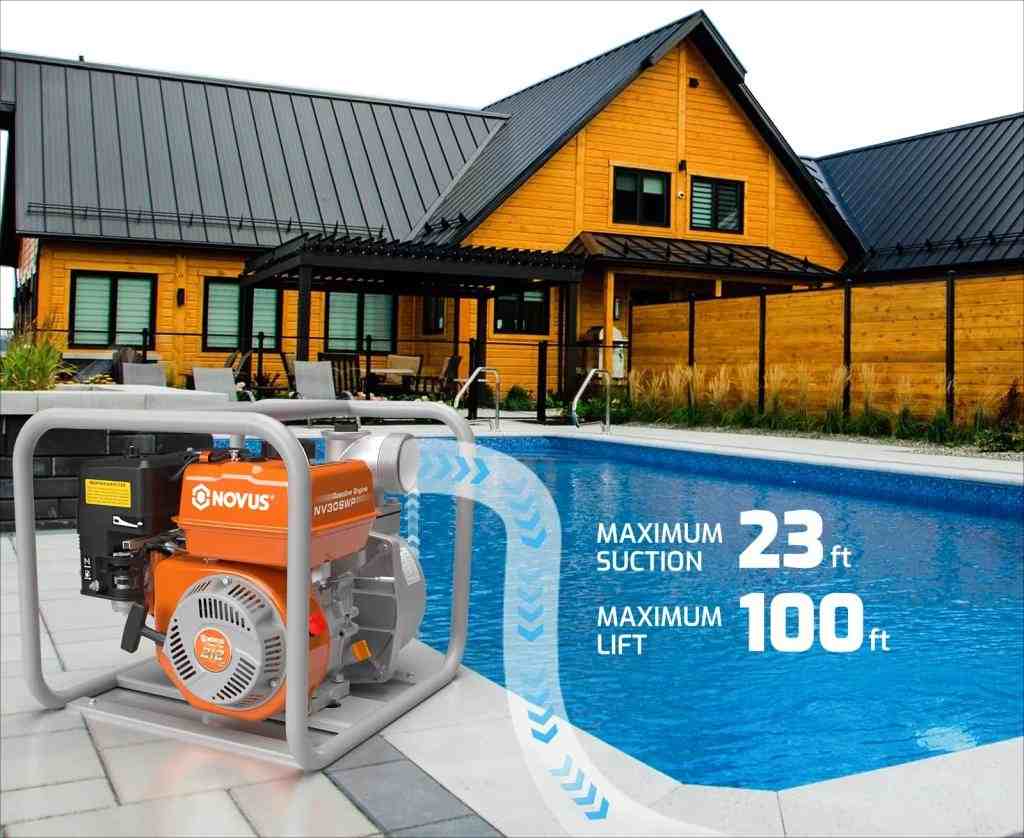
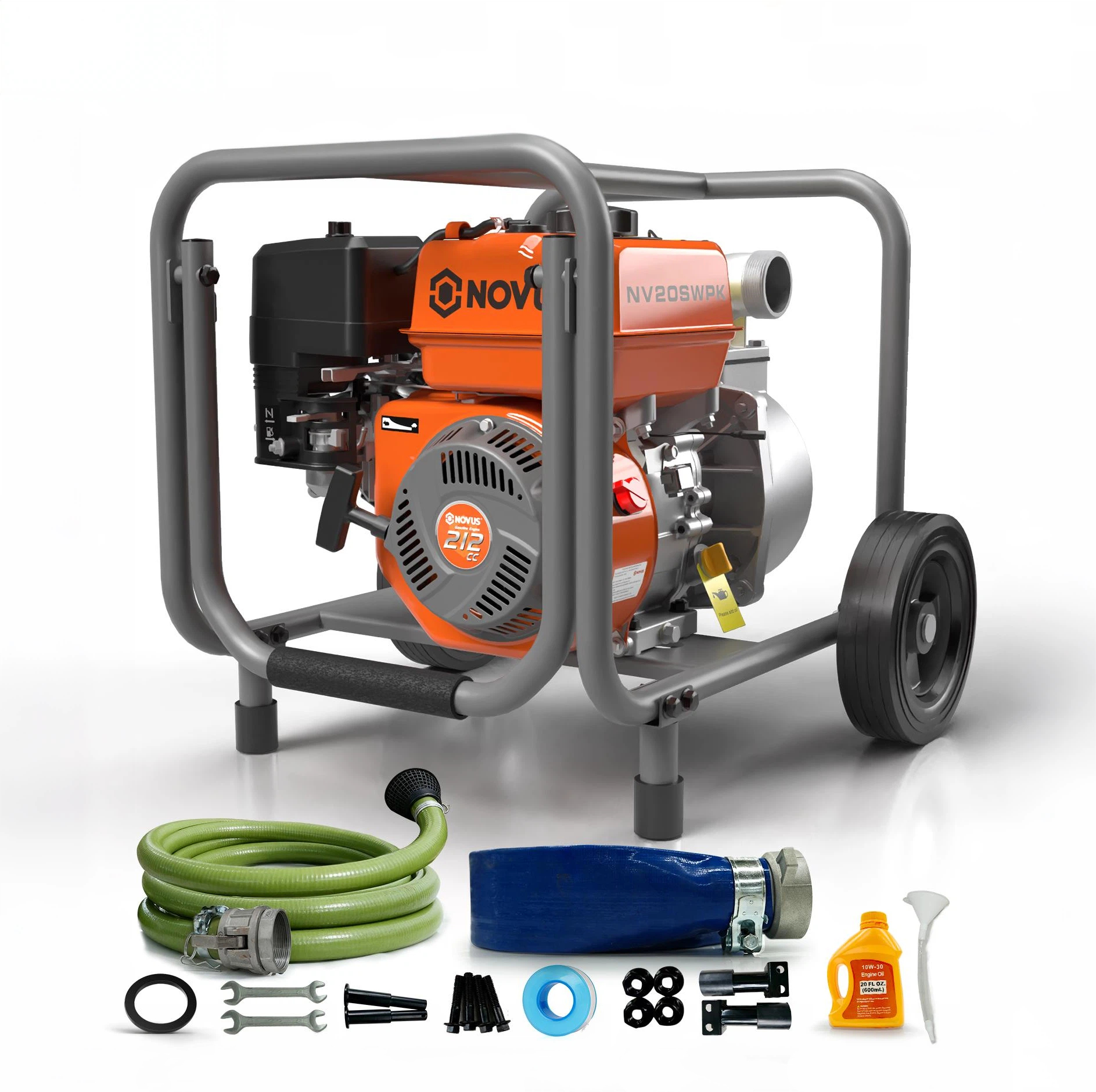
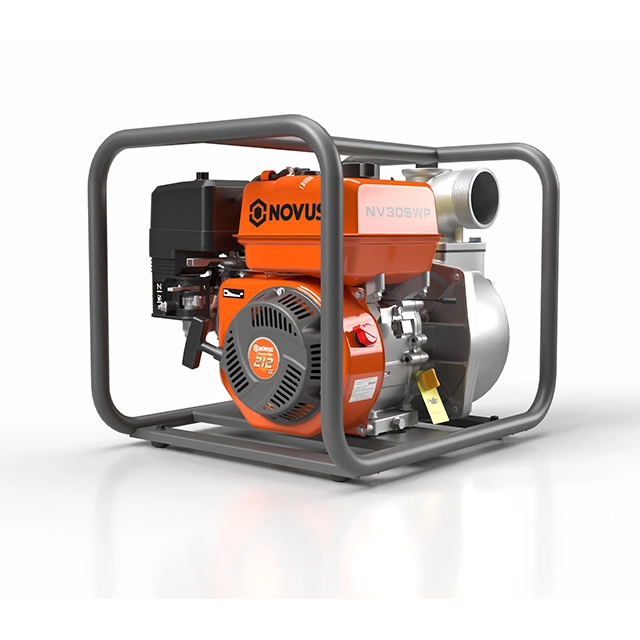
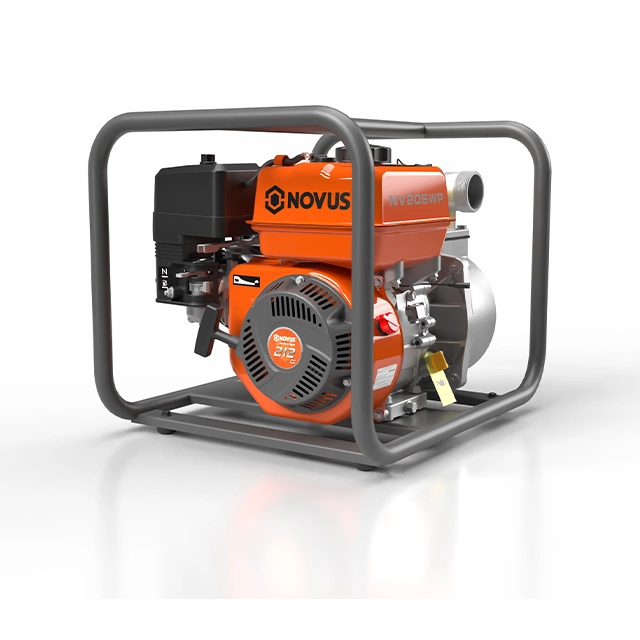
For professionals and proactive homeowners, the semi-trash water pump is the final answer. Unlike regular pumps, this one is gasoline-powered, portable, and designed specifically for pumping “trashy” water—water that contains small solids, such as sand, pebbles, and other organic materials.
The semi-trash pump is a “hybrid” of a clean water pump and a full-fledged industrial trash pump. It has a larger pump housing and a robust impeller that will pass solids without stopping. When you are pumping the “muck” from the bottom of a winterized pool, this is the only tool that will provide a constant, high-speed pumping operation.
Why a 3-Inch Semi-Trash Pump Is Ideal for Pool Draining
If you have already settled on a semi-trash pump, the next thing to consider is the size.
Unrivaled Solid Handling Capabilities
“3 inches” refers to the diameters of the inlet and outlet. Due to the fact that its internal volute (the chamber where the water rotates) is much larger than the 2-inch model, it can handle larger debris. Most 3-inch semi-sediment pumps can handle solids with a diameter of up to 3/4 inch (20 millimeters). This means that scattered acorns, thick clusters of algae, and rotten leaves can all pass through the pump body and be discharged through the outlet hose without causing blockages.
Massive Flow Rate (Time Efficiency)
Time is money, especially if you are working against a storm or want to finish pool maintenance before the temperature drops. A standard 3-inch pump can pump around 15,000 to 18,000 Gallons Per Hour (GPH).
The Math: An average backyard pool holds about 20,000 gallons.
With a small submersible pump, you might wait 10–15 hours.
With a 3-inch semi-trash pump, your pool will be empty in roughly 80 to 90 minutes.
Industrial Durability
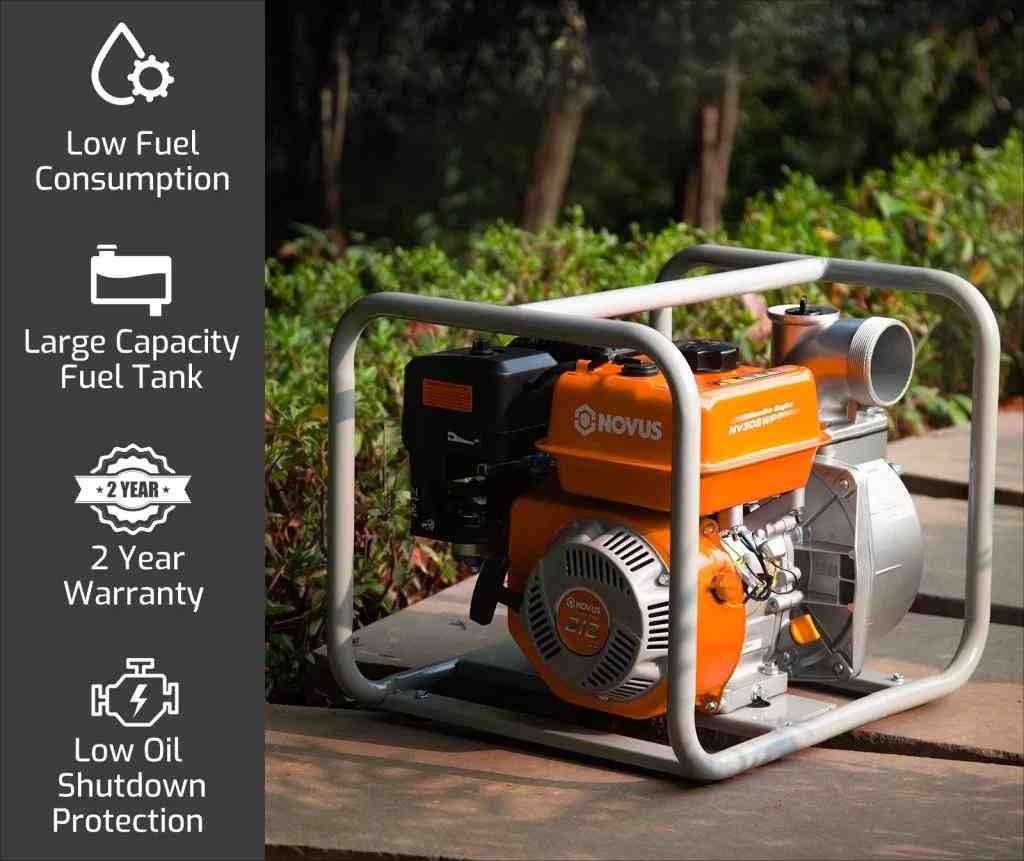
These pumps are specifically designed to cope with the “dirty” environment of outdoor operations. They typically employ silicon carbide mechanical seals, which are harder and more heat-resistant than the standard seals commonly used in pool pumps. Moreover, they use cast iron impellers, which can withstand the erosion of sand without being worn out.
How to Use a Semi Trash Pump to Drain a Pool
Using a high-flow water pump requires more preparatory work than a plug-and-play electric pump, but the result is definitely worth it. Please view our reference demonstration video:
Step 1: Position the Pump Safely
Place the water pumps on a flat and stable surface near the swimming pool. Since these pumps are gasoline-powered, do not use them indoors or in enclosed swimming pool rooms to avoid carbon monoxide poisoning. Make sure the pumps are close enough to the water surface so that the suction hose is as short and straight as possible.
Step 2: Set Up the Suction Hose
Connect a 3-inch reinforced suction hose to the intake port. It is vital to use a “reinforced” hose (usually green or clear with a hard plastic rib) because the vacuum pressure of a 3-inch pump is strong enough to collapse a standard flat hose.
Pro Tip: Attach the strainer (the basket-like attachment) to the end of the suction hose. This ensures that while the pump handles debris, it won’t accidentally suck in a large rock or a toy that could damage the impeller.
Step 3: Prime the Pump
Gasoline water pumps are “self-priming,” but they still require an initial “prime” of water to create a vacuum. Open the priming plug on top of the pump housing and fill it with water until it overflows. Tighten the plug back down. Without this step, the pump will run dry and ruin the seals.
Step 4: Manage the Discharge
Run your 3-inch discharge hose (usually a blue lay-flat hose) to a designated drainage area. Be mindful of where 15,000 gallons of water is going—ensure it doesn’t flood a neighbor’s yard or cause soil erosion.
Step 5: Monitor the Final Inches
As the water level reaches the very bottom, the pump may begin to suck in air. You can “corral” the remaining debris and water toward the intake using a squeegee. Once the water is gone, shut off the engine immediately.
Smarter Pool Draining Starts with the Right Pump
Pool drainage is not just about removing the water – it also involves dealing with the actual situation. The basic method works well for clean water, but often falls short during seasonal drainage. The semi trash water pump makes up for this deficiency by providing reliable drainage performance in polluted water, without the complexity of heavy-duty sewage pumps.
In the end, when there is debris in the swimming pool, the best way to drain the water is to use equipment specifically designed for such situations.


Leave feedback about this