

During heavy rainstorms, power outages are common. Many homeowners wonder if they can use a generator during rainy days. The answer is yes, but it must be done properly with measures for rain protection and ventilation. Using a generator in the open air while exposed to rain is highly risky as it can easily cause electric shock and damage to equipment, with extremely high risks.
Whether it’s a portable emergency generator for home use, or an inverter generator for camping or construction, adhering to safety standards is crucial. This article will explain the safety hazards of using a generator during rainy days, operation methods in damp environments, disposal plans for equipment getting wet, and key points for choosing a generator during rainy days.
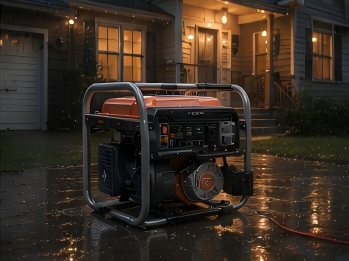
Why Is Running a Generator in the Rain Dangerous?
Rain itself is not the only problem. The real danger comes from the combined effects of improper placement of electricity, water and generators. Here are the three main risks that you must be aware of.
Electric Shock Hazards
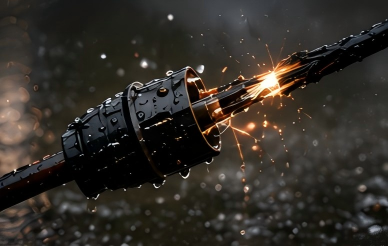
When the generator is in operation, it will output high-voltage current. Water has excellent conductivity. Once rainwater comes into contact with the generator socket, the extension cord connector, or exposed wires, the risk of electric shock will significantly increase.
Wet hands, standing water on the ground, damaged cable sheaths, etc., will further amplify the safety risks. Even if the generator itself is operating without any faults, the damp electrical environment around it will continuously pose a threat to the safety of the users.
Therefore, do not place the generator in a position where it can be directly washed by rainwater and come into contact with the socket or control panel.
Damage to Generator Components
Although most portable generators are suitable for outdoor use, it does not mean that the entire machine is completely waterproof. When water seeps into the internal electrical components, over time, it can cause a series of problems such as corrosion of components, short circuits in the wiring, and damage to the insulation layer.
Repeated exposure to moisture may lead to:
- Corroded electrical connectors
- Damaged alternators
- Reduced insulation performance
- Starting problems
- Higher maintenance costs
Even the more sealed closed-type inverter generators only have basic splash-proof capabilities and cannot achieve complete waterproofing. If placed in a heavy rain environment for a long time, the lifespan of the equipment will also be significantly shortened.
Carbon Monoxide Risks from Improper Placement
Ironically, compared to rain, people’s incorrect methods of seeking shelter actually pose greater safety risks.
Many people, to prevent their generators from getting wet, move the machines into garages, basements, makeshift sheds, or covered porches. This behavior is extremely dangerous. When the generator is operating, it releases colorless and odorless carbon monoxide, which is lethal. Such enclosed or semi-enclosed spaces are prone to quickly accumulating toxic gases.
Even if the garage door is open, carbon monoxide can still seep into the house through the door gap, windows, or ventilation ducts. The safest way to use the generator is to place it in an outdoor area with good ventilation, and equip it with a dedicated rainproof cover for protection.
How to Safely Use a Generator in Rainy Weather
Storms and power outages often occur simultaneously, so it is necessary to use a generator in a humid environment. The key lies in how to protect the generator while not compromising ventilation and safety.
Choose a Safe Outdoor Location
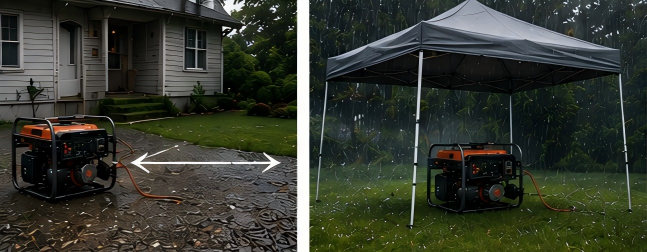
Always operate your generator outdoors on a flat, stable surface. If possible, place it on slightly elevated ground to prevent water from pooling around the unit.
Keep the generator well away from:
- Doors
- Windows
- Air vents
- Crawl space openings
This helps reduce the risk of carbon monoxide entering your home while also minimizing exposure to splashing water.
If heavy rain is expected, avoid low-lying areas where flooding could occur.
Use a Generator Canopy Instead of a Tarp
Many people make a dangerous mistake when using generators: they directly cover the running equipment with waterproof cloth or plastic film.
This method may seem to prevent rain, but in fact, it has many hidden dangers. The waterproof fabric will block the air circulation needed for the equipment to dissipate heat, causing the machine body to accumulate heat; if the fabric touches the high-temperature components of the engine, there is also a risk of fire.
A safer solution is to use generator-specific rainproof covers or open rain shelters. These products are designed to balance rain protection and ventilation, being able to block rain while ensuring sufficient airflow, allowing the engine to dissipate heat normally and expel exhaust gases smoothly.
When choosing a rain shelter, make sure it:
- Protects the generator from direct rainfall
- Leaves all ventilation openings unobstructed
- Allows exhaust gases to disperse freely
- Remains stable in windy conditions
Remember, protecting a generator from rain should never come at the expense of proper ventilation.
Keep Extension Cords and Connections Dry
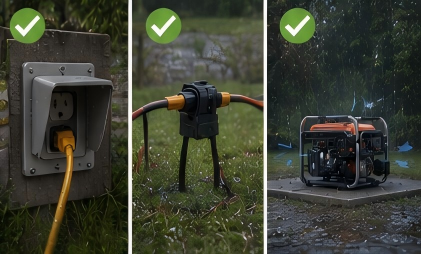
When most people protect the generator, they only pay attention to the main unit of the machine, but neglect the safety of the extension cord and the connection points of the wires.
It is necessary to select a professional outdoor heavy-duty extension cord that matches the power of the generator. Try to keep the plug away from damp ground and do not lay the cables in areas prone to water accumulation.
Before each start-up, carefully check the cables to see if there are any issues such as broken outer skin, cracked insulation layer, or damaged plugs. Replace the aged and damaged wires in time, which is much cheaper than repairing the faulty equipment later.
If the generator has an earth leakage protection socket, be sure to confirm that the earth leakage protection function is working properly before using it.
Follow the Manufacturer’s Operating Guidelines
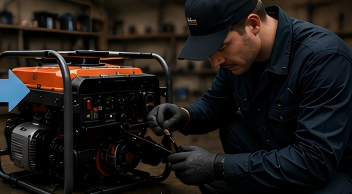
The protection standards, usage guidelines and maintenance requirements for different types of generators vary significantly and cannot be generalized.
Inverter generators are mostly equipped with fully enclosed bodies, which can not only prevent dust and resist a small amount of moisture, but also have lower operating noise. However, this does not mean that the entire machine has complete waterproof capabilities and can be directly used in heavy rain.
No matter which model you choose, before using it in a humid environment, you must carefully read the original factory manual, strictly follow the manufacturer’s instructions for outdoor operations, and use the official recommended protective accessories.
What If Your Generator Gets Wet?
Accidents happen. If your generator is unexpectedly exposed to rain, avoid restarting it immediately.
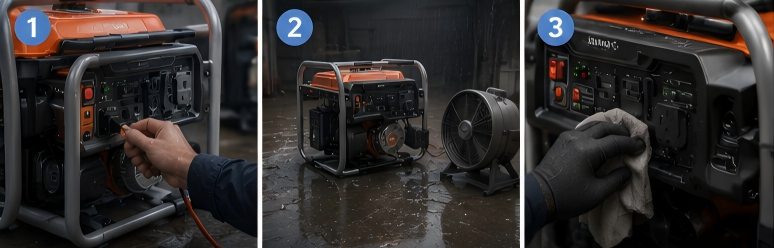
Shut It Down Immediately
If the generator is still running safely, turn it off according to the generator manufacturer’s shutdown procedure and disconnect any connected electrical loads.
Do not continue operating the generator if water has entered electrical outlets or control panels.
Allow the Generator to Dry Completely
Move the generator to a dry, well-ventilated area if it is safe to do so. Allow sufficient time for moisture to evaporate before attempting to restart it.
Avoid using direct heat sources such as blowtorches or high-temperature heaters, as these may damage plastic components and wiring insulation.
Inspect Before Restarting
Once the generator is completely dry, perform a visual inspection before starting it again.
Check for:
- Water inside electrical outlets
- Moisture around switches and control panels
- Damaged wiring
- A wet or clogged air filter
- Signs of corrosion or unusual odors
If you suspect water has entered the alternator, engine, or other internal electrical components, have the generator inspected by a qualified technician before putting it back into service.
Choosing the Right Generator for Rainy Weather
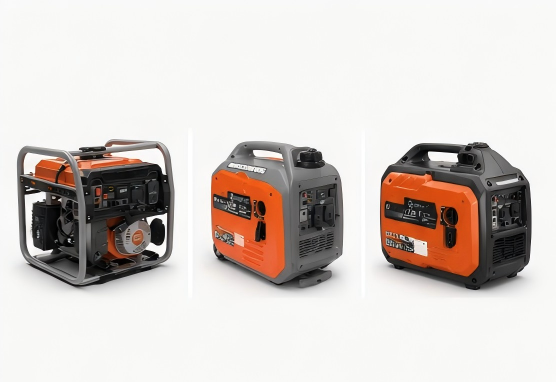
If there are frequent occurrences of heavy local rain and seasonal power outages, choosing the right generator can significantly enhance safety and stability in usage.
When purchasing, priority should be given to the complete windproof and rainproof enclosure of the entire machine, a sturdy body, overload protection, and comprehensive outdoor usage instructions; models with a stable body and lightweight for easy transportation are also convenient for quick relocation to a dry and safe area.
Closed-type inverter generators have lower noise levels and better protection for internal components, but they can only prevent splashing and cannot be completely waterproof. Regardless of the model, proper placement, ventilation conditions, and rain protection cover are all essential.
High-quality equipment is just the foundation; standard operation is the core to ensuring the safety of both personnel and equipment.


Leave feedback about this