

In industrial production, municipal water supply, and even in daily household settings, pumps are indispensable “liquid transportation experts” – for the transmission of media in chemical plants, irrigation and watering in farmlands, and even the pressure increase in household water purifiers. Their presence can be seen in all these areas.
Although their goals are the same – transporting liquids from point A to point B – their internal logic is vastly different. This article will take you on a deep analysis of the core differences between these two, helping you make the most informed selection decision.
Understanding Two Types of Water Pumps
To understand the differences between these two types, we first need to look at how they “push” the liquid.
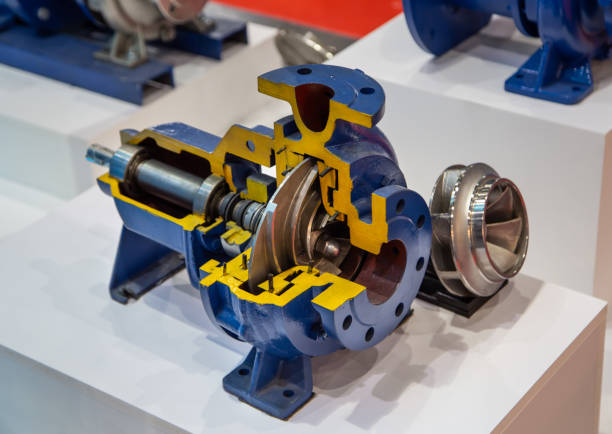
Centrifugal pump: Works by “rotating and flinging” the liquid. It generates centrifugal force through the rotation of the impeller, transporting the liquid from the inlet to the outlet. It is the most common type of pump in our daily lives and industrial applications. For example, the core of a household water supply pump is “flinging” the liquid around.
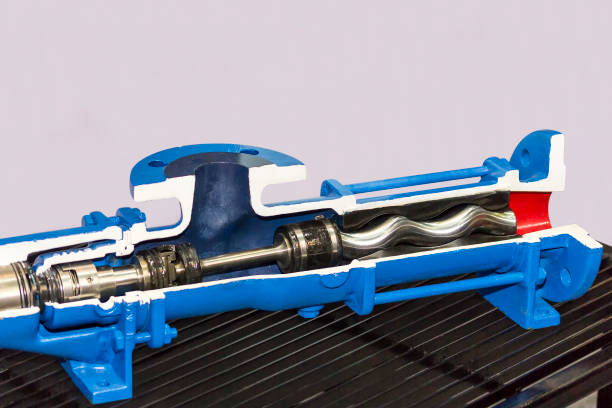
Positive displacement pump: Pushes the liquid by “compressing the space”. It captures a fixed volume of liquid through mechanical movement and forces it to be transported to the outlet. It is more suitable for specific scenarios, such as transporting thick glue or mud containing impurities. The core is “pressing” the liquid along.
Four Key Differences Between The Two Types Of Water Pumps
Working principle
A centrifugal pump contains a high-speed rotating impeller. When the impeller rotates, it generates a strong centrifugal force, which “throws” the liquid in the pump chamber toward the edge of the impeller and then delivers it out through the outlet pipe. At the same time, a negative pressure is formed at the center of the impeller, and the liquid in the suction pipe is continuously replenished, forming a continuous liquid delivery.
A positive displacement pump has movable parts (such as pistons, gears, and screws) inside its pump body. The movement of these parts causes the volume of the pump chamber to alternately contract and expand: when the volume expands, the liquid in the suction pipe is drawn into the pump chamber; when the volume contracts, the liquid in the pump chamber is forced to be squeezed and transported out through the outlet pipe. This cycle repeats to achieve liquid transportation.
Flow and pressure characteristics
The two essential data points for selecting a water pump require evaluation of flow rate and pressure.
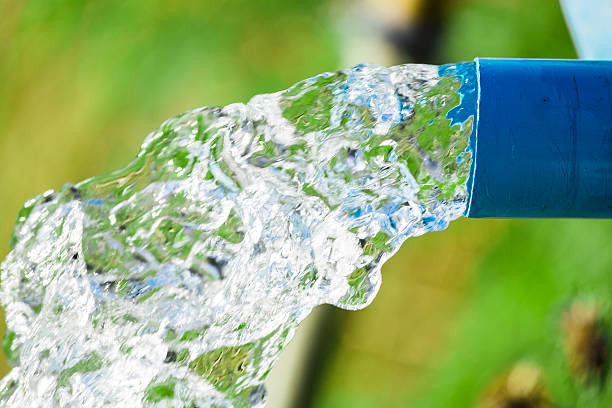
The flow rate of a centrifugal pump decreases with increasing pressure because the pump delivers less flow at higher pipeline pressure and provides more flow at lower pressure. The system delivers high flow rates but has limited pressure capabilities which make it best suited for centralized water supply and agricultural irrigation and situations that require rapid water transportation.
The volumetric pump maintains a consistent flow rate that stays unchanged when there is a change in pipeline pressure. The pump maintains a steady flow rate because its rotational speed stays constant despite pressure changes in the pipeline which represents its main advantage. The system operates under two conditions because it requires high-pressure oil transportation in chemical plants while also needing sufficient pressure to operate small equipment without needing a large flow rate.
Self-priming capability
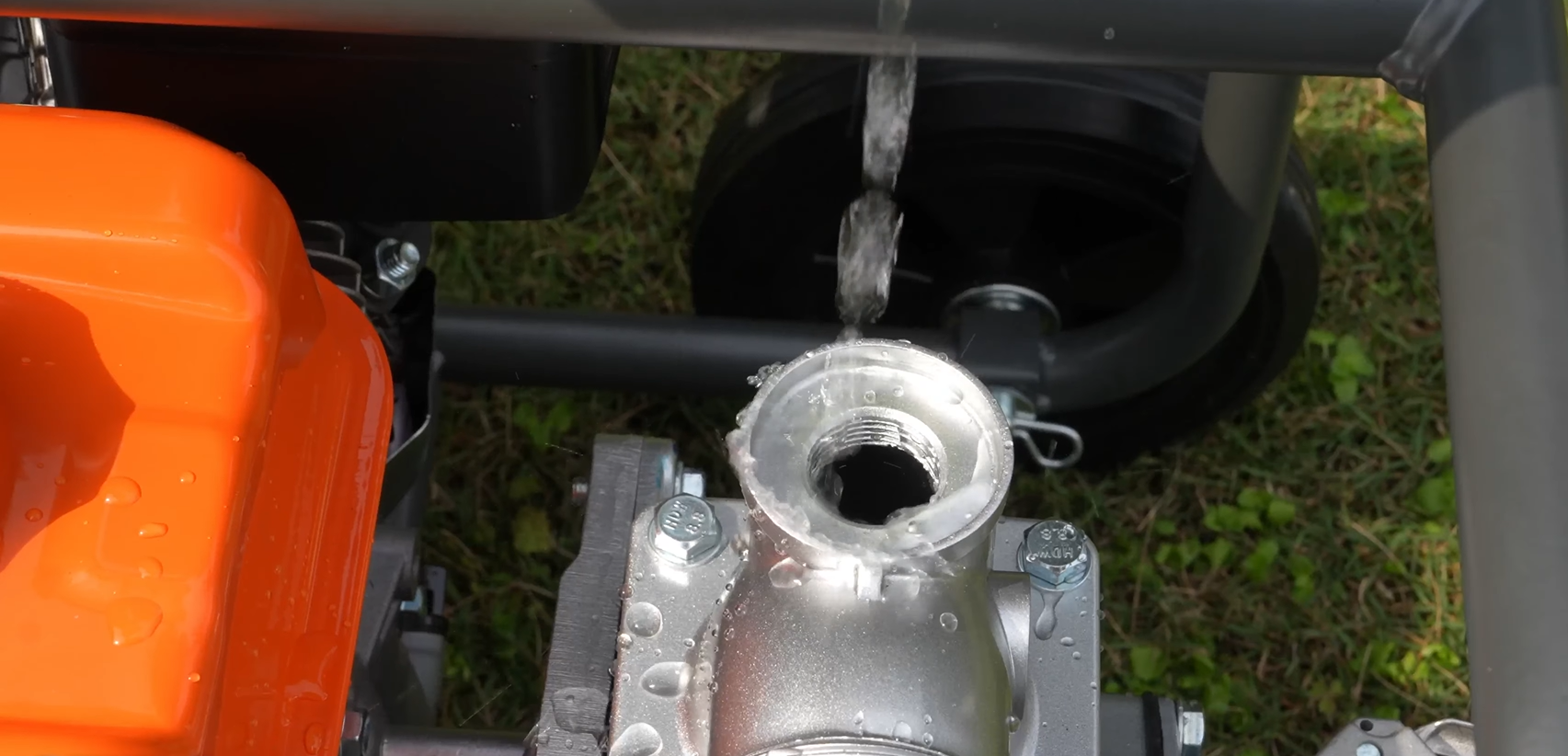
Positive displacement pumps have excellent self-priming ability. They do not require pre-filling of liquid during startup and can automatically draw in the liquid from the pipeline. Even if there is a small amount of air in the suction pipeline, they can still operate normally. In contrast, centrifugal pumps must be pre-filled with liquid before startup, that is, the pump chamber and the suction pipeline must be filled with liquid and the air inside must be expelled before they can be started normally.
Media compatibility of pumps
Centrifugal pumps reject thick liquids because they function optimally with water and low-viscosity liquids. The pump will lose its operational efficiency when the liquid turns into a thick substance which includes crude oil.
Positive displacement pumps achieve optimal performance with high-viscosity fluids because they handle such fluids better than any other pump type. Their efficiency increases with rising viscosity because high-viscosity fluids reduce leakage at pump gaps.
Which Pump Should Be Chosen For Different Application Scenarios?
For applications involving the transportation of clear water, such as agricultural irrigation, water tank supply, and general drainage, a centrifugal pump is recommended. It is cost-effective and highly efficient.
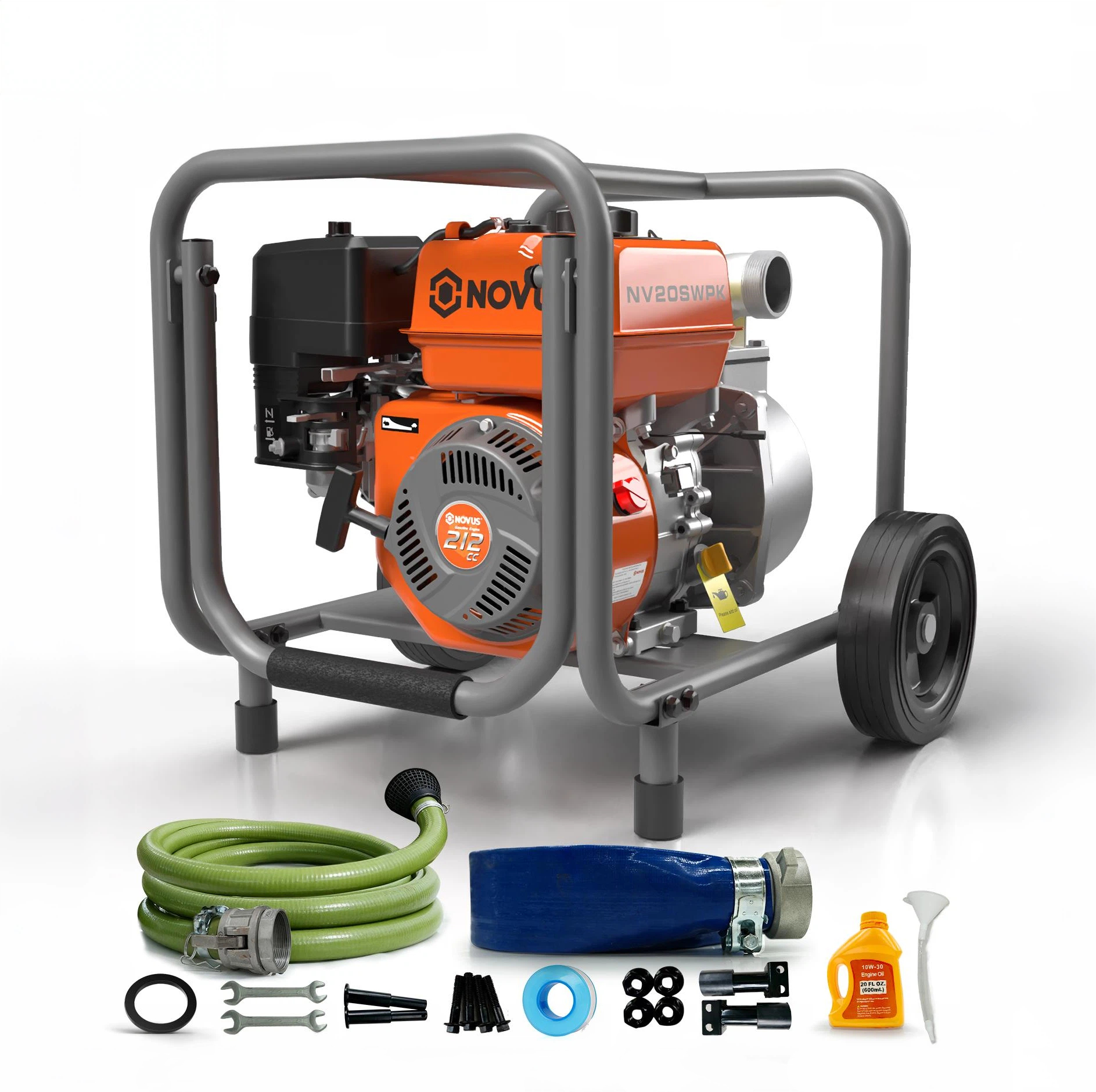
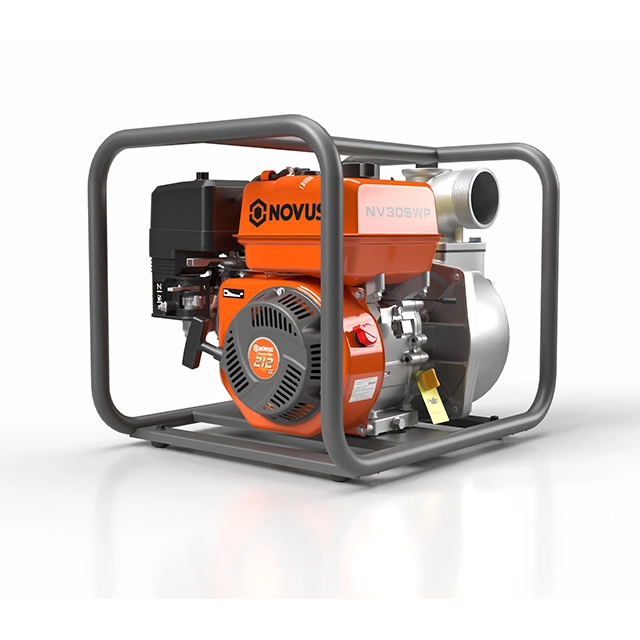
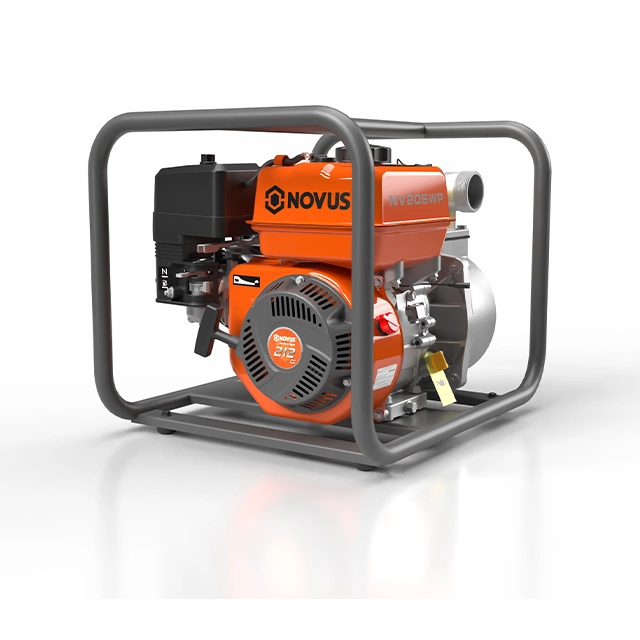
For water containing sediment and impurities, including construction site drainage, flood drainage, and agricultural drainage, a semi-trash pump centrifugal pump is recommended. It combines the high flow capacity of a centrifugal pump with a certain solid handling capability.
For high-viscosity liquids, such as lubrication systems and fuel transportation, a volumetric pump is recommended. It can precisely control the flow and ensure stable transportation of high-viscosity liquids.


Leave feedback about this