

Selecting a high-pressure cleaner often leads users to the same query: an electric high-pressure cleaner or a gas high-pressure cleaner, which one is better?
Despite the fact that the two types of high-pressure cleaners can eliminate dirt and tough stains to the same extent, there are significant differences in power, portability, maintenance cost, and areas of use.
This piece will thoroughly compare Electric and Gas Pressure Washers in terms from the perspective of practical usage to help you quickly determine which one is more suitable for your cleaning needs and usage environment.
What Is an Electric Pressure Washer?
The electric high-pressure cleaner is driven by a motor and operates by plugging in electricity. Compared with gas models, they have lower PSI (pressure) and GPM (water flow rate), but are easy to operate, lightweight and require less maintenance.
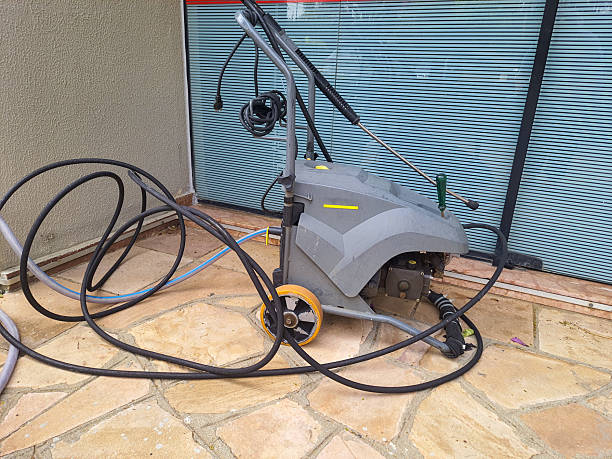
Common applications include:
- Car wash
- Clean the terrace and the fence
- Garden furniture and small tool cleaning
What Is a Gas Pressure Washer?
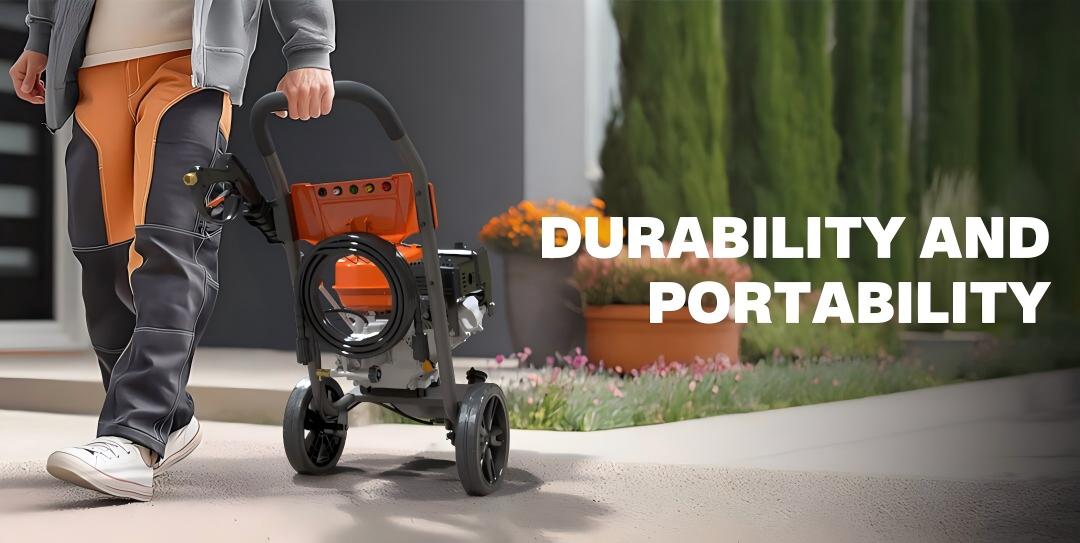
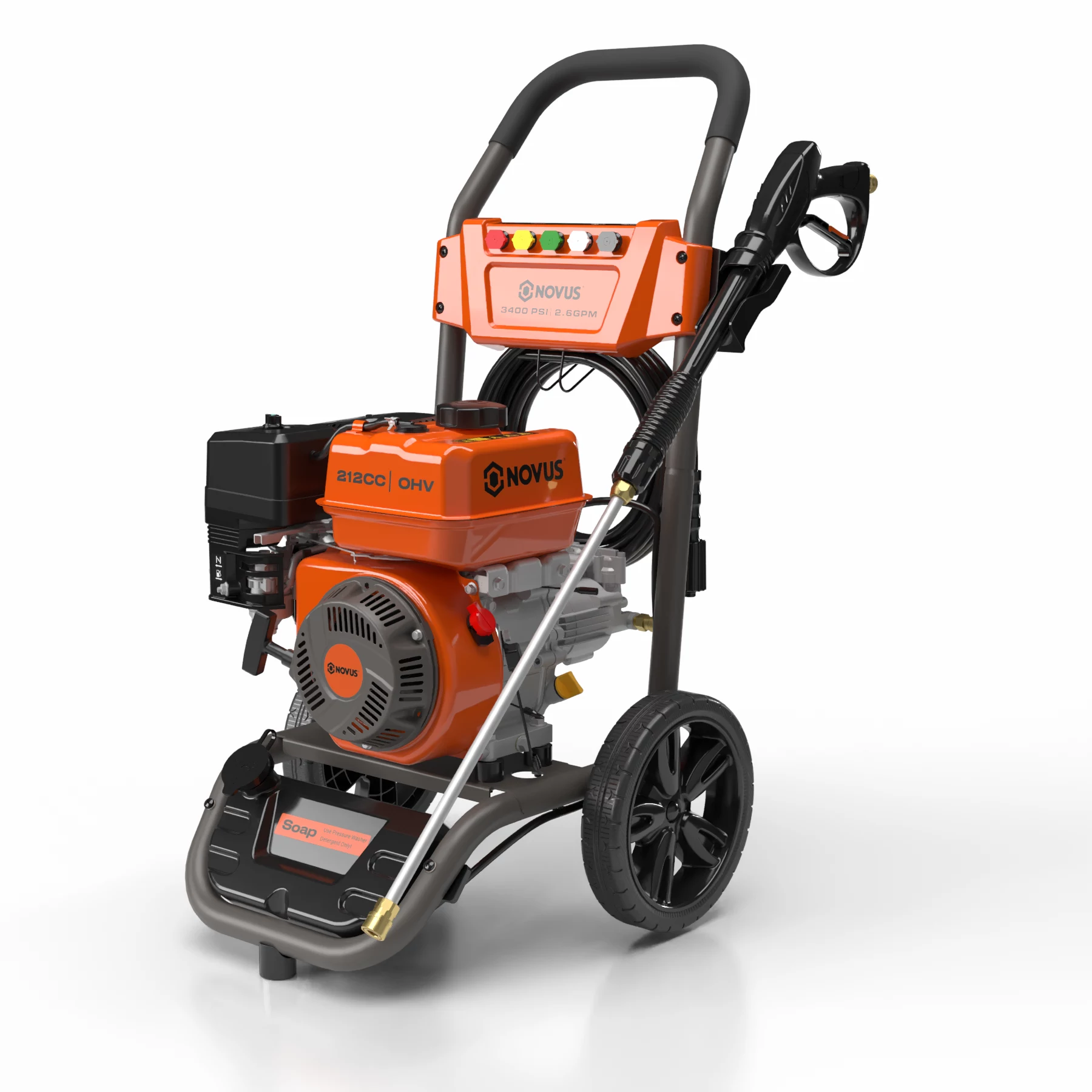
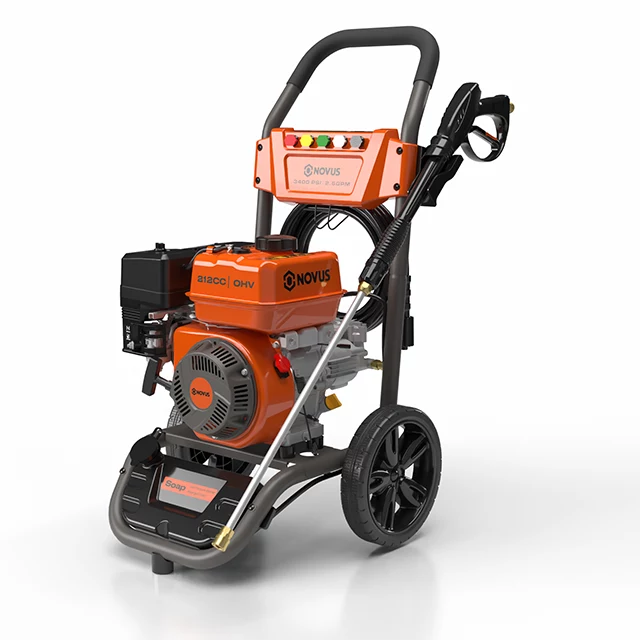
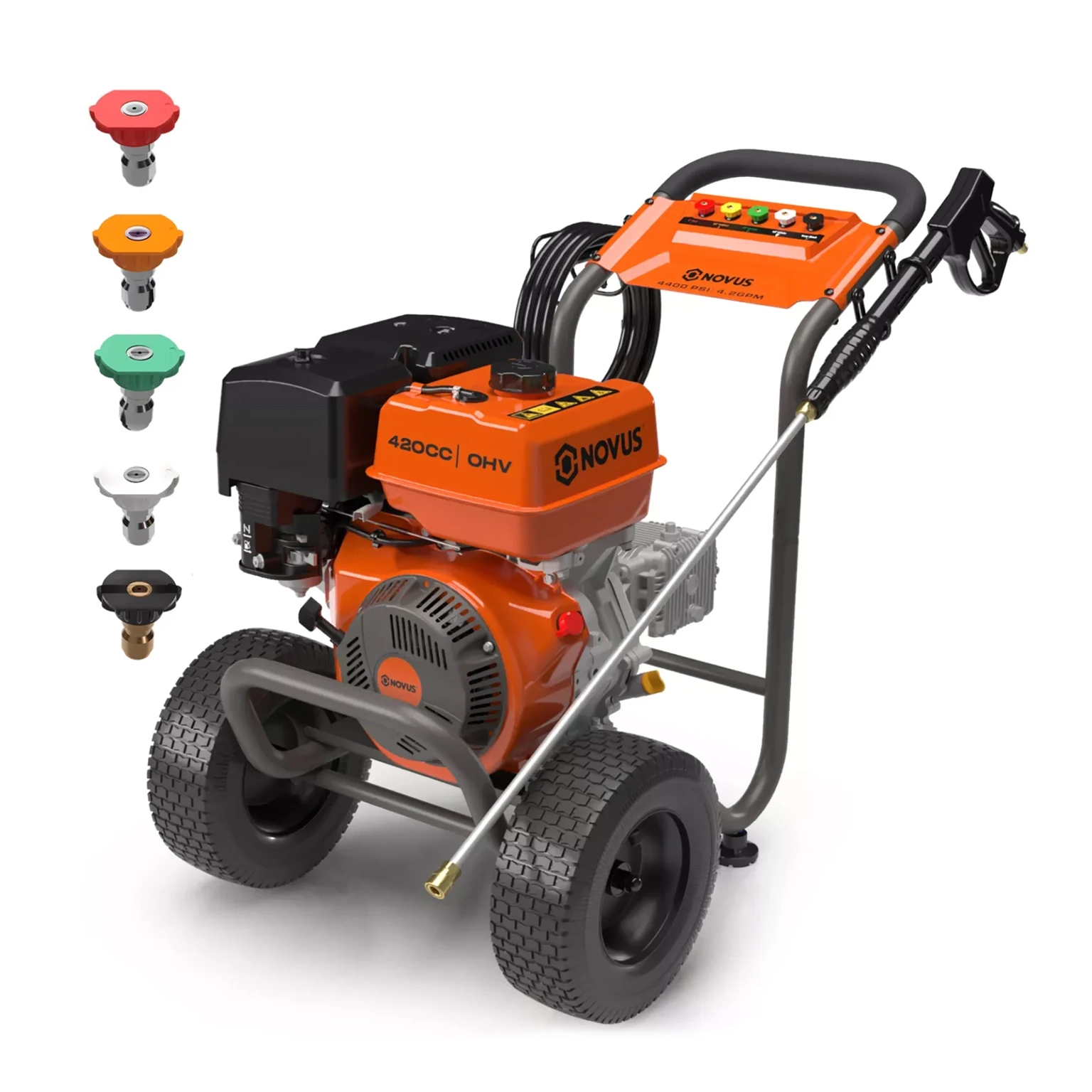
The gas high-pressure cleaner is driven by a gasoline engine to operate the water pump, which can provide higher cleaning pressure and flow rate, and can work without relying on power supply.
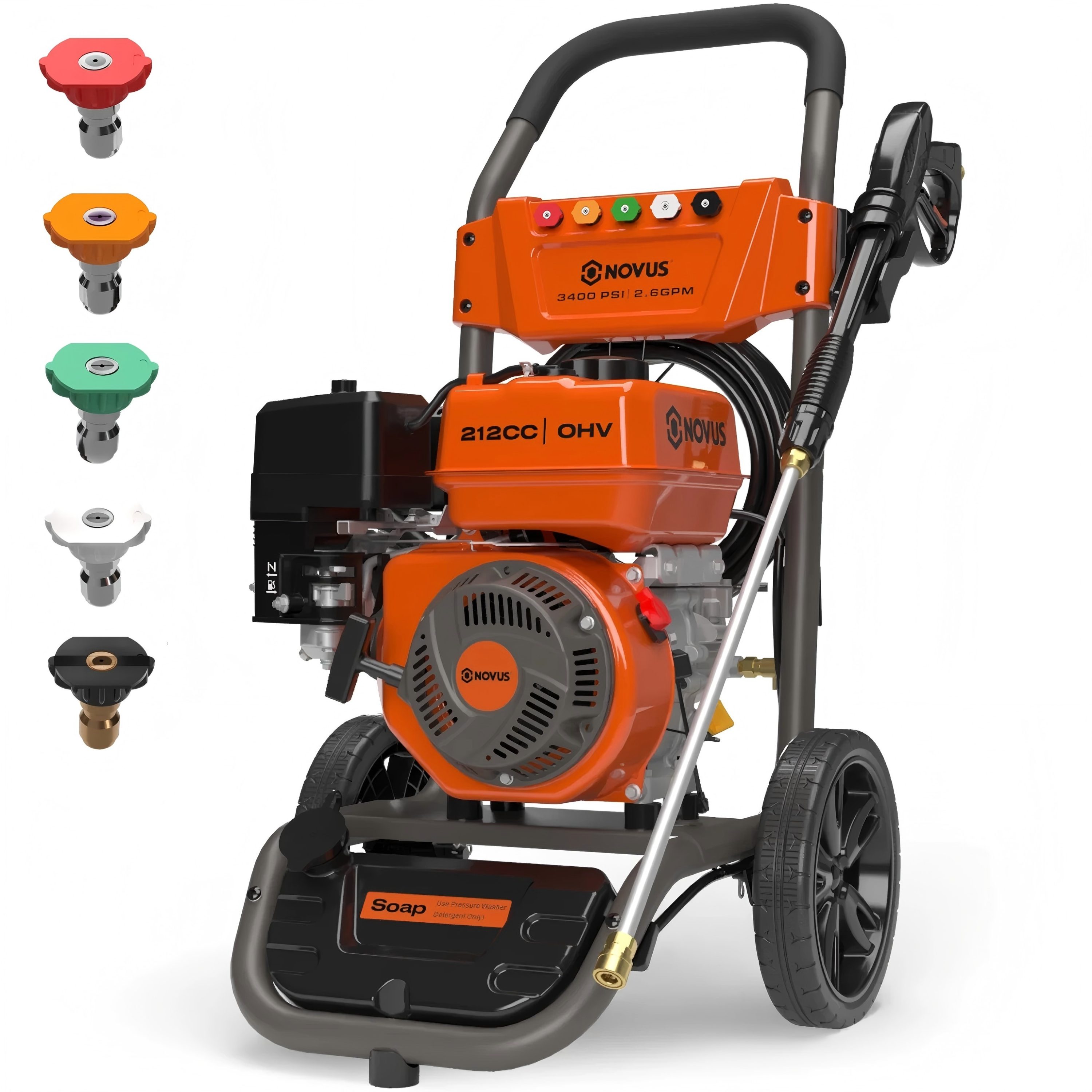
Common applications include:
- Concrete pavement cleaning
- Large terrace
- Construction site, farm or commercial cleaning
Electric vs Gas Pressure Washers: Key Differences
| Feature | Electric Pressure Washers | Gas Pressure Washers |
| Power (PSI / GPM) | Lower | Much higher |
| Cleaning strength | Light to medium | Medium to heavy-duty |
| Portability | Limited by power cord | Fully portable |
| Noise level | Quiet | Loud |
| Ease of use | Very easy | Requires experience |
| Maintenance | Minimal | Regular engine maintenance |
| Price range | More affordable | Higher upfront cost |
| Environmental impact | No emissions | Fuel emissions |
| Best use cases | Home & light cleaning | Heavy-duty & commercial |
Electric models are more suitable for families that prefer a relaxed and worry-free lifestyle, while gas models excel in high performance and high-intensity operations.
Power and Cleaning Performance Comparison
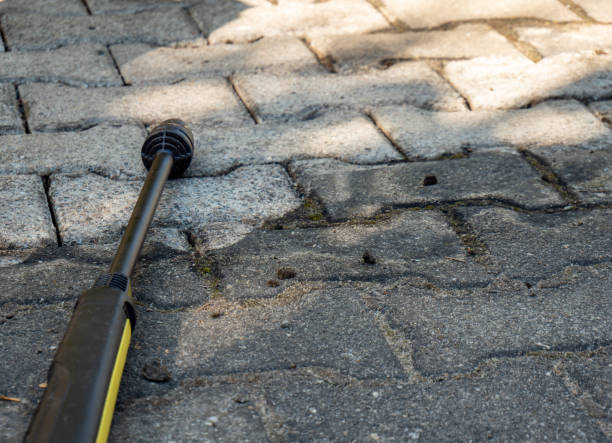
Pressure (PSI) and water flow rate (GPM) are the main factors that determine the cleaning effect of a high-pressure cleaner. In general, gas high-pressure cleaners are much better than electric models in these two aspects, and consequently, they are more suitable for oil stain, tough dirt or large area cleaning.
Ease of Use and Portability Analysis
Electric pressure washers are appliances that are very easy to use; just attach a source of water and electricity and the machine is ready to function, thus they are perfect for a person who is new to this type of equipment, or just for an infrequent user.
Gas high-pressure cleaners demand refueling plus engine starting, rendering the process quite complicated. Nevertheless, power supply is no limitation to them and they exhibit better flexibility while cleaning in open spaces or large indoors.
Which Pressure Washer Is Best for Different Use Cases?
Best for Home & Light-Duty Cleaning
Recommendation: Electric high-pressure cleaner
Suitable for daily cleaning such as car washing, balconies, garden furniture, etc.
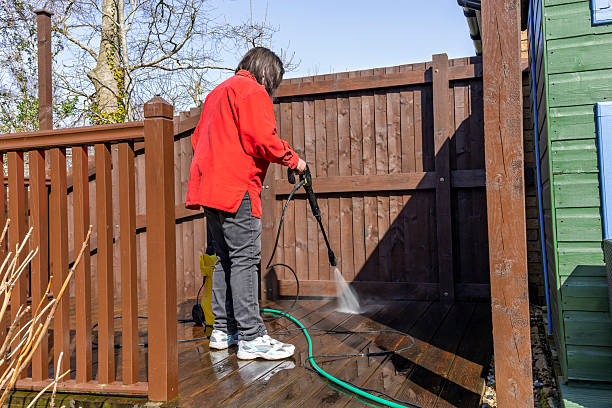
Deep cleaning of driveways, floors and patios
Recommendation: Gas high-pressure cleaner
Perform better when higher pressure is required.
Heavy or commercial use
Recommendation: Gas high-pressure cleaner
Suitable for continuous and high-intensity working environments.
No power supply or remote areas
Recommendation: Gas high-pressure cleaner
Not restricted by power conditions.
Quick Decision Guide: Electric or Gas?
Choose an electric pressure washer if you meet the following criteria:
- Use it infrequently
- Prioritize quiet operation and ease of maintenance
- Mainly for household cleaning
Choose a gas-fired pressure washer if you meet the following criteria:
- Need stronger cleaning power
- Frequently clean large areas or stubborn stains
- Use in outdoor or commercial environments
Electric and Gas High Pressure Cleaners: Pros and Cons Summary
Electric High-Pressure Washer
Advantages: Lightweight, quiet, easy to maintain, affordable
Disadvantages: Limited power, dependent on power supply
Gas Powered High-Pressure Washer
Advantages: Powerful, independent of power supply, suitable for heavy cleaning
Disadvantages: Noisy, high maintenance costs
Frequently Asked Questions (FAQ)
Can an electric pressure washer clean concrete floors?
Yes, but the cleaning effect and efficiency are somewhat less than gas powered models.
Which pressure washer is more durable?
Both can be used for a long time with proper maintenance.
Conclusion
When it comes to the choice between “electric vs. gas high-pressure cleaners”, there is no absolute superiority or inferiority. The key lies in your cleaning intensity, usage frequency and usage environment. The best machine is the one that you can frequently use and successfully complete tasks with. Clarifying your core needs and matching the corresponding products is the wisest investment.


Leave feedback about this