

Soil cultivation is the foundation of horticultural planting. The selection of the tiller directly affects the efficiency and experience of horticultural operations. The engine displacement is the core parameter that determines the power, performance and applicable scenarios of the tillerr, and it is also the most confusing indicator for most people when making a purchase decision. Choosing an inappropriate engine displacement can lead to many problems: if the displacement is too small, it is difficult to handle sticky and compact soil, and the machine may stall or the operation may be laborious; if the displacement is too large, it will cause waste of fuel and storage space, and increase unnecessary usage costs.
In fact, a large displacement does not necessarily mean high performance. The displacement that suits one’s gardening needs is the optimal choice. This article will detail the displacement of tillers ranging from 40cc to over 250cc, helping everyone make precise selections based on the operation scenarios.
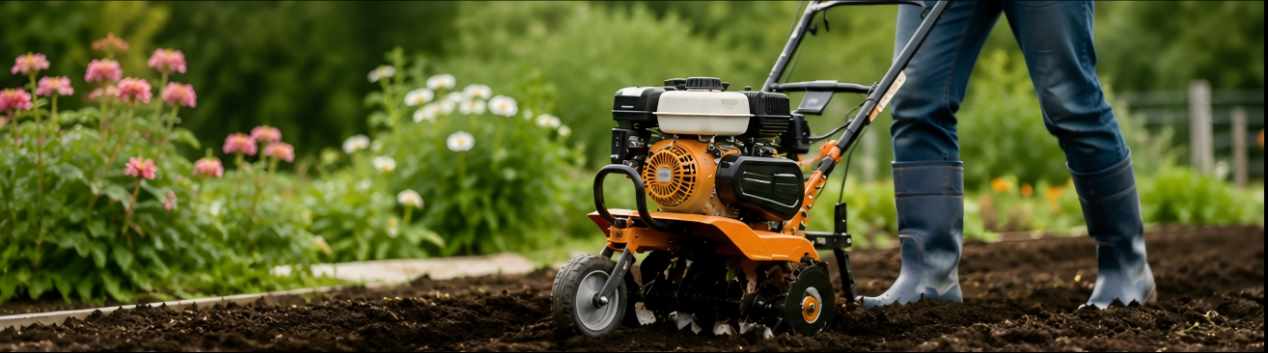
Raised Beds and Flower Gardens (Typically 40cc–60cc)
For gardeners who mainly maintain flower beds, borders or small landscape areas, a tiller of 40cc to 60cc capacity is usually sufficient.
These lightweight machines are designed for shallow cultivation rather than deep ploughing. They are highly suitable for tasks such as soil loosening, compost mixing, weed removal and bed preparation throughout the growing season.
Best Applications
- Raised garden beds
- Flower gardens
- Greenhouse beds
- Soil aeration
- Weed management
Advantages
- Lightweight and easy to maneuver
- Easy storage
- Lower fuel consumption
- Suitable for older gardeners and beginners
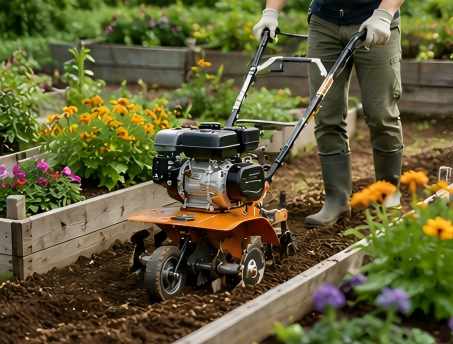
However, these machines usually have difficulty operating when the soil is severely compacted, so they are not recommended for use in cultivating new vegetable gardens.
Small Vegetable Gardens (Typically 70cc–100cc)
Many homeowners think that the 70cc to 100cc range strikes the perfect balance between power and ease of use. In this category, a tiller gives you plenty of torque to tend to your veggie garden but isn’t overly heavy. You can easily manage regular spring and fall tillage without the machine being too big or awkward for an average backyard.
Best Applications
- Home vegetable gardens
- Backyard planting areas
- Annual soil preparation
- Mixing compost and fertilizers
Advantages
- More digging power than mini cultivators
- Suitable for regular garden maintenance
- Easier to control than larger machines
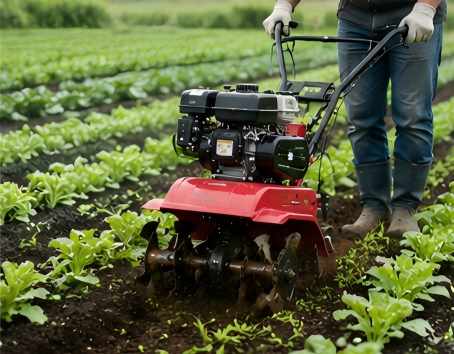
A 79cc front tine tiller, for example, is often an excellent choice for gardeners managing small to medium-sized vegetable plots.
Medium-Sized Gardens (Typically 120cc–180cc)
As garden size increases, productivity becomes more important. Tillers in the 120cc–180cc range are designed to cover larger areas more efficiently.
These machines typically feature wider tilling widths and greater torque, allowing them to work through moderately compacted soil with less effort.
Best Applications
- Medium-sized vegetable gardens
- Multiple planting beds
- Community garden plots
- Frequent seasonal tilling
Advantages
- Faster coverage
- Better performance in heavier soils
- Improved efficiency for larger projects
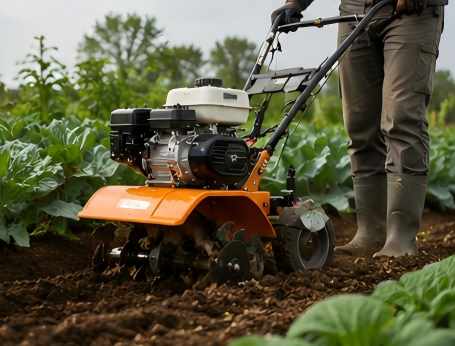
For gardeners who regularly cultivate several hundred square feet of growing space, this engine size range often provides the best balance between power and usability.
Large Gardens and Compacted Soil (Typically 190cc–250cc)
When dealing with larger plots or difficult soil conditions, engine size becomes increasingly important.
Tillers equipped with 190cc–250cc engines are built to generate greater torque, helping them maintain performance in dense or compacted soils. These machines are particularly useful for clay-heavy ground where smaller engines may struggle.
Best Applications
- Large vegetable gardens
- Clay soil
- Hard-packed ground
- Food plots
- Extensive seasonal cultivation
Advantages
- Greater digging power
- Improved soil penetration
- Reduced operator effort
- Faster completion of large jobs
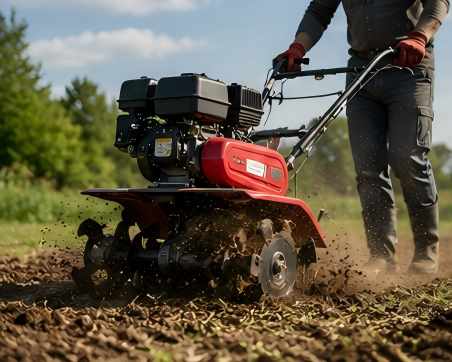
A 212cc tiller is one of the most popular options in this category because it offers substantial power without moving into commercial-grade equipment territory.
Breaking New Ground (Typically 212cc+ Rear Tine Tillers)
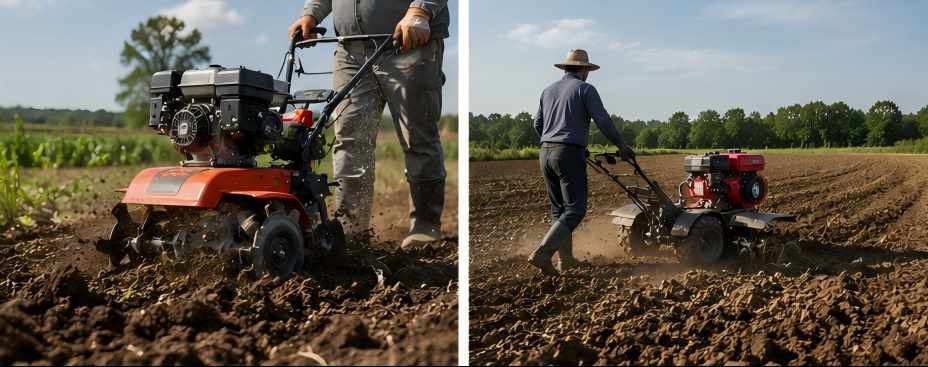
Clearing and preparing the land is one of the most challenging operations in farming. The newly cleared land is mixed with old tree roots, hard clods of soil and stones, and the soil is severely compacted. When choosing equipment, it is not only necessary to consider the engine displacement, but also the structure of the machinery is crucial. Rear tine tillers with a displacement of 212cc or more are suitable for clearing operations: They place the drive wheels in front of the rotary tiller, resulting in greater traction and more effort-efficient deep plowing of hard soil, and their performance is far superior to those of front-mounted models.
Best Applications
- New garden plots
- Untilled land
- Heavy clay soils
- Property expansion projects
Advantages
- Superior traction
- Greater stability
- Better performance in hard soil
- Reduced operator fatigue
Homeowners wanting to turn lawns into gardens should consider a 212cc rear tine tiller. It’s very practical for this job.
How to Choose Between Different Tiller Sizes
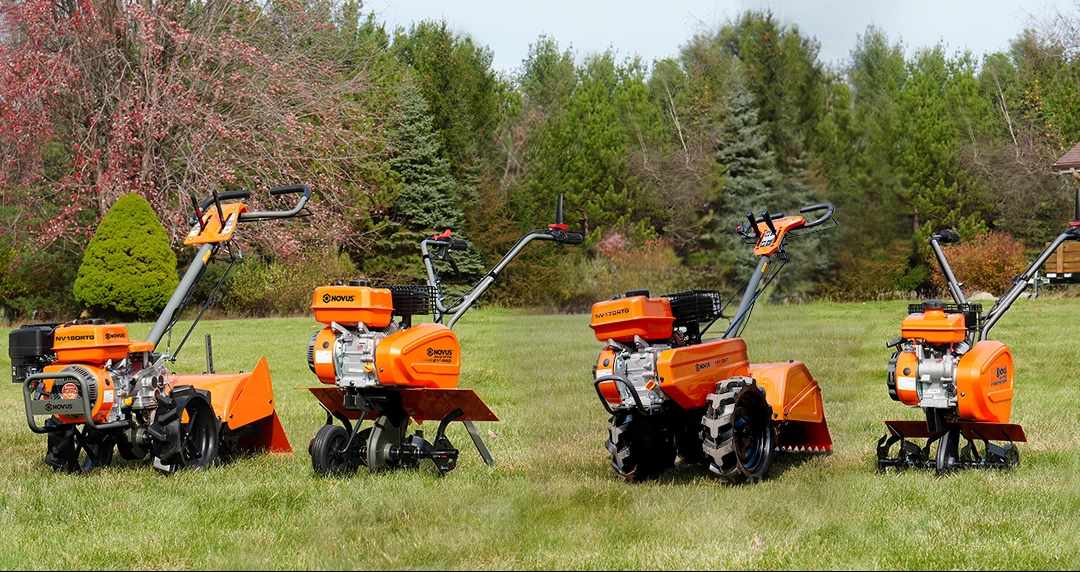
The best tiller size differs based on your needs. Check the table below for a quick guide.
| Engine Size Range | Common Tiller Type | Best Garden Size / Type | Soil Capability | Primary Use Case |
| 40cc – 60cc | Mini-Cultivator (Front-tine) | Raised beds, small flower pots, borders (< 100 sq. ft.) | Loose, pre-tilled, sandy soil | Weeding between rows, mixing topsoil amendments. |
| 70cc – 100cc | Mid-Sized Cultivator (Front-tine) | Small backyard plots (100 – 300 sq. ft.) | Soft to moderately compacted soil | Annual spring soil refreshing, light weeding. |
| 120cc – 180cc | Heavy Front-tine / Light Rear-tine | Medium plots (300 – 1,000 sq. ft.) | Loam, moderate clay, slightly rocky soil | Deep tilling, blending thick organic matter. |
| 190cc – 250cc | Standard Rear-tine (FRT/CRT) | Large plots / Small farms (1,000+ sq. ft.) | Dense clay, heavily compacted earth | Establishing large plots, deep seasonal tilling. |
| 212cc – 250cc+ | Heavy-Duty Rear-tine (CRT) | New plots, commercial landscaping | Hardpan, virgin turf, highly rocky soil | Breaking new ground, reclaiming wild land. |
Don’t go for the biggest tiller you can find. Pick one that fits your soil and garden size better. Bigger doesn’t always mean better results.


Leave feedback about this