

As inquiries for gas-powered pressure washers have soared, cleaning companies, property management companies, factories, businesses, and municipal sanitation departments seem to have all simultaneously inquired about and purchased gas pressure washers, completing their first round of purchases for the new year.
The manufacturers and sales companies of gas pressure washers have carried out an annual after-sales tracking program. They call or visit customers to inform them of the knowledge of daily maintenance and simple troubleshooting methods. Therefore, we specially consulted professional technicians and briefly summarized the maintenance and care knowledge of gas-powered pressure washers for your reference.
The Gas Pressure Washers Maintenance Schedule
The lifespan of a pressure washer is measured in terms of operating hours. Just like high-performance cars, these machines require varying levels of maintenance as their service life increases. By dividing the maintenance work into four stages – “daily”, “break-in”, “routine”, and “deep”, you can prevent 90% of common on-site failures.
Daily / Pre-Operation Inspection
The basis of long-term running of equipment lies in maintaining consistency. Before running your equipment every day, you should spend five minutes carrying out a check. This will assist in the early detection of small problems before they get out of hand.
- Fluid integrity: Check the engine oil level on a horizontal surface. Insufficient oil can cause overheating and permanent damage to the piston. Also, ensure that the fuel is fresh; ethanol-containing gasoline will start to deteriorate in the fuel tank after being stored for more than 30 days, clogging the carburetor.
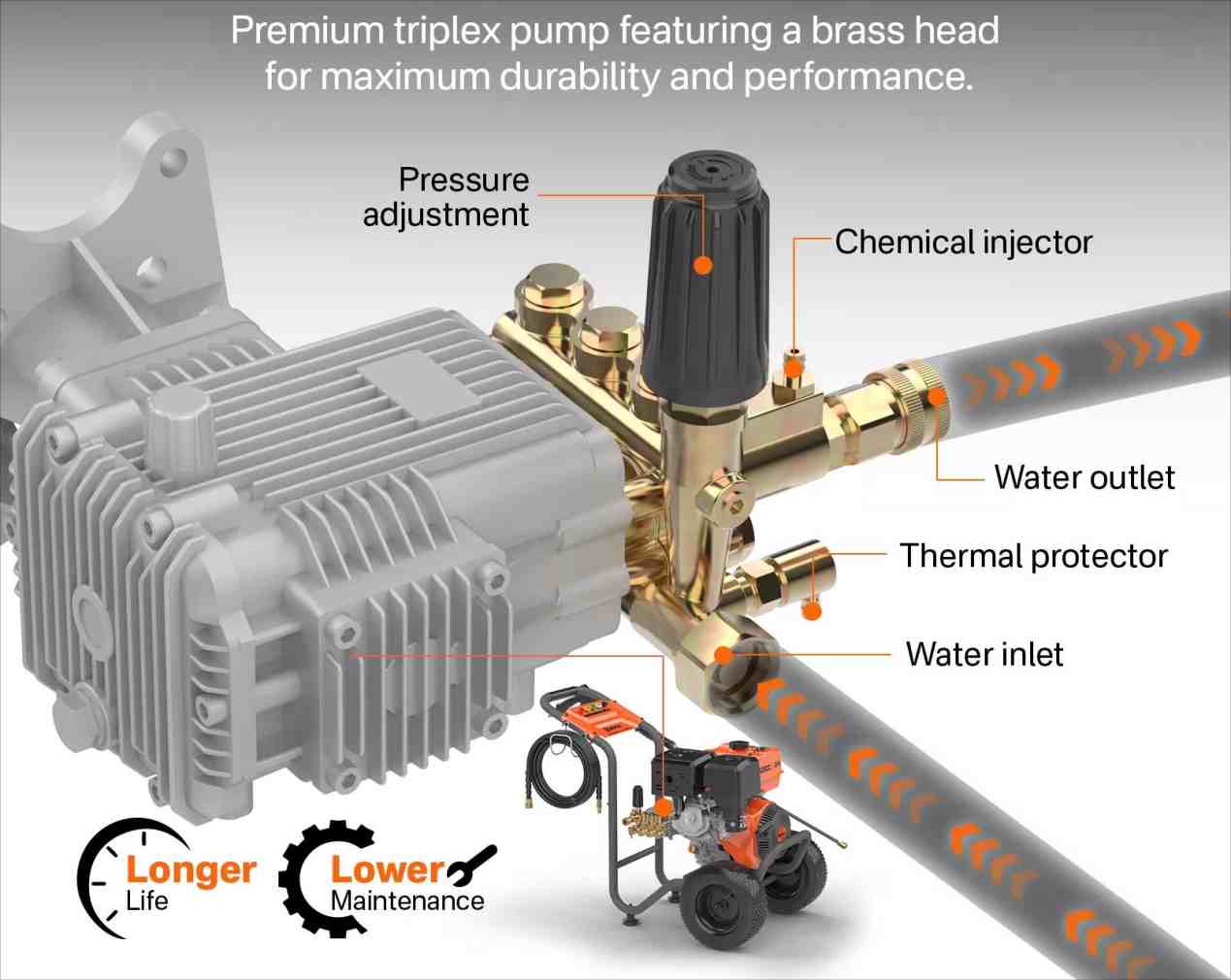
- Water inlet filtration: The filter for the water inlet acts as a first line of defense for the pump. It should be checked to see if there are any sediments, sand, or minerals built up on the filter. Even small amounts of debris can scratch the ceramic piston in the pump’s manifold.
- System integrity: Also, check for kinks, wear, or bubbles in the high-pressure hose. At pressures above 3000 PSI, a damaged hose can be a serious safety hazard. Finally, check for leaks in the spray gun and spray bar. Leaks will cause the pump to run unnecessarily in a cycle.
The 25-Hour “Break-In” Service
The most overlooked stage of gas pressure washers maintenance is the initial break-in period. During the first 20 to 25 hours of operation, the internal components of a new engine “seat” themselves. This process naturally sheds microscopic metal shavings into the oil.
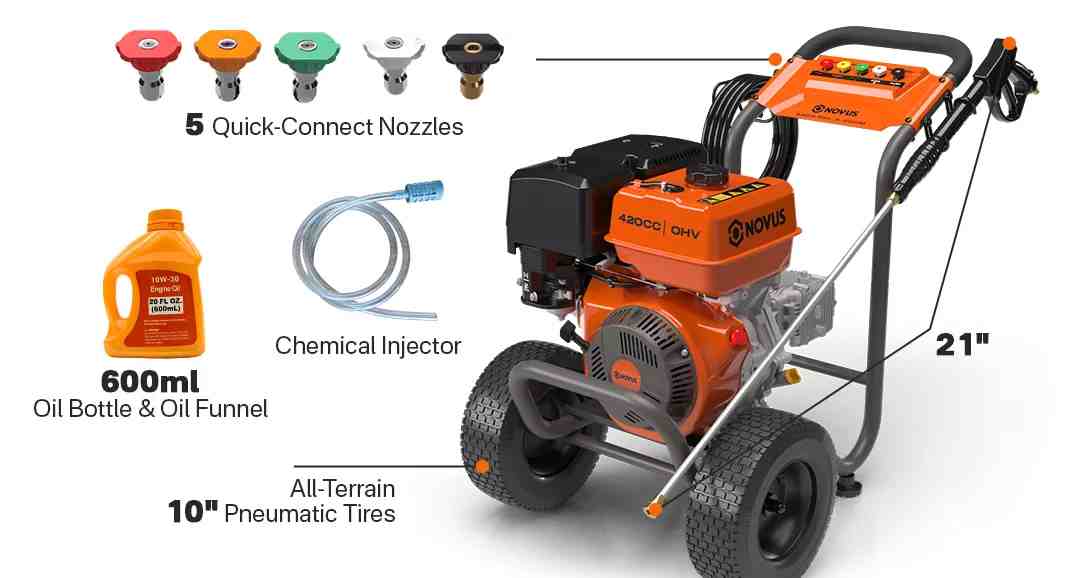
- The Critical Oil Change: Manufacturers strictly recommend a complete engine oil change after the first 25 hours. This removes the metallic particulates that would otherwise act as an abrasive, prematurely wearing down the engine’s internal surfaces.
- Hardware Audit: High-vibration gas engines can cause nuts and bolts to loosen. Re-torque the engine mounts and the bolts connecting the pump to the engine to ensure the drive shaft remains perfectly aligned.
50-Hour Routine Maintenance
Once the machine is past its break-in phase, maintenance shifts toward optimizing combustion and air-fuel ratios.
- Air Intake Care: Gas-powered pressure washers often operate in dusty environments. Check the air filter every 50 hours. A clogged filter starves the engine of oxygen, leading to “running rich,” carbon buildup, and decreased power output. Wash foam pre-filters or replace paper elements as needed.
- Spark Plug Service: Inspect the spark plug for fouling or electrode erosion. A clean, properly gapped spark plug ensures reliable one-pull starts and consistent engine RPM, which is vital for maintaining steady water pressure.
100-Hour or Quarterly Deep Maintenance
At the 100-hour mark, the focus expands from the engine to the high-pressure pump—the heart of the machine.
- Pump Oil Replacement: Unlike engine oil, pump oil is typically non-detergent and designed to handle extreme pressure without foaming. Change the pump oil every 100 hours (or at least once a season) to prevent thermal breakdown. Look for “milky” oil, which indicates a failing seal has allowed water to contaminate the oil reservoir.
- Fuel System Audit: Replace the fuel filter and inspect the fuel lines for cracks. This ensures the carburetor receives a steady, clean flow of gasoline.
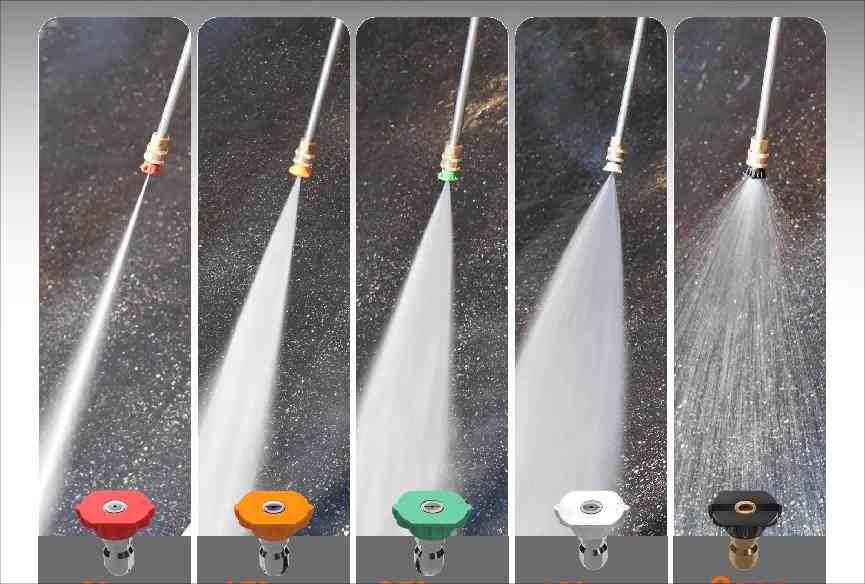
- Nozzle & Tip Wear: Nozzles are consumables. Over time, the high-velocity water erodes the orifice, making it larger. If you notice a gradual drop in pressure but the engine is running fine, your nozzles likely need replacement.
Pro Tips for Gas Powered Pressure Washers from the Factory
Beyond the schedule, how you operate the machine daily impacts its lifespan. Our engineering team suggests three “Golden Rules”:
- Pressure Relief: Never leave a pressurized machine sitting idle. After shutting off the engine, always squeeze the trigger gun to release the “trapped” pressure. This prevents the O-rings and seals in the pump and hose from being unnecessarily stressed.
- Chemical Flushing: If you use the detergent injector, always finish the job by running clear water through the system for two minutes. Dried soap can corrode the internal spring of the injector and clog the nozzle.
- Winterization: In colder climates, water left in the pump manifold can freeze and crack the metal. Always use a “Pump Guard” or antifreeze lubricant before storing the unit for the winter.
If the working environment of the high-pressure cleaning machine is harsh, such as with a lot of dust, the maintenance frequency needs to be increased. Additionally, fuel-powered high-pressure cleaning machines are different from ordinary floor cleaning machines and other conventional equipment. Non-professional technicians should not attempt to repair or disassemble them manually; instead, they need to seek out professional manufacturers or mechanics.
Quick Reference: Maintenance Interval Comparison Table
| Interval | Task | Key Component | Purpose |
| Every Use | Inspect Water Filter & Oil | Inlet / Engine | Prevent immediate damage |
| 25 Hours | First Oil Change | Engine Crankcase | Clear “Break-in” metal debris |
| 50 Hours | Clean Air Filter | Intake System | Maintain combustion power |
| 100 Hours | Change Pump Oil | Pump Manifold | Protect plungers & bearings |
| Seasonal | Fuel Stabilizer | Fuel Tank | Prevent carburetor gumming |
Maximizing Equipment Lifecycle
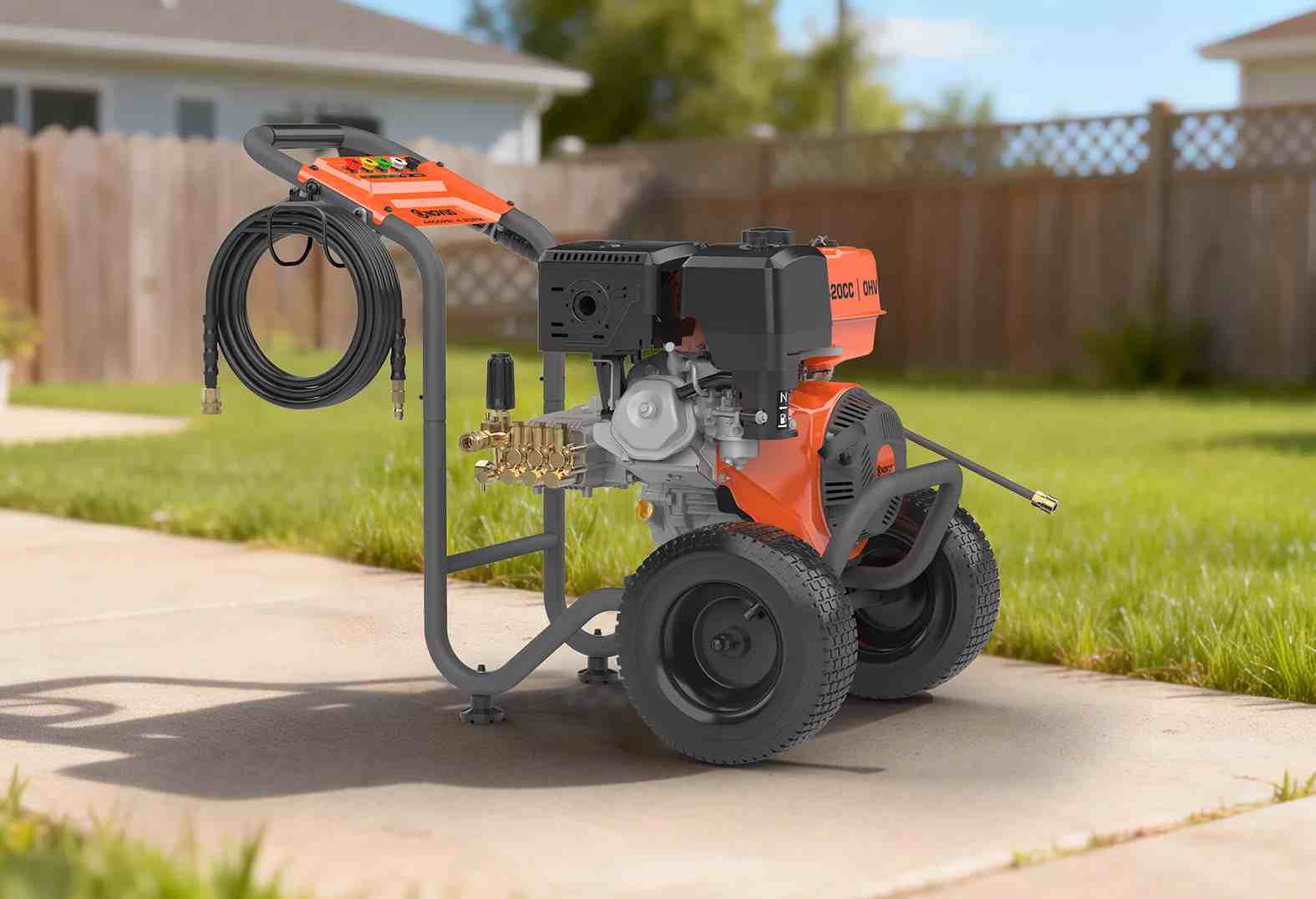
From the daily maintenance of your water filter to the quarterly maintenance of your pump oil, it all adds up to a professional service that your clients have come to expect from your equipment. And remember, a liter of oil and a few minutes of inspection are a small price to pay for a mid-season replacement of your pump. Keep your equipment running, your pressure high, and your downtime at zero.


Leave feedback about this