

Gas pressure washers, as an efficient and convenient cleaning device, are broadly applied in different areas, such as industries, commerce, and residential houses. Nonetheless, in the case where gas-powered high-pressure cleaning machines are applied, some issues, like the low or lack of pressure in the cleaning device, may occur, which not only influences the efficiency of the cleaning device but also may cause inconvenience to the users. Therefore, what are the reasons that lead to gas powered pressure washer having no pressure? And how are they addressed?
In the article, we will take you through the usual causes as well as the solutions. This will thus enable you to quickly return the optimal functioning of your machine.
Quick Self-Check – Identify Your Pressure Issue
Before you get on to specific troubleshooting measures, it is important to understand that you first need to identify what type of pressure issue your gas pressure washer may be having.
| Symptom | Possible Cause | Action to Take |
| No water pressure at all | Water supply issue, air in pump | Check hose and water source, remove air from pump |
| Low pressure | Clogged nozzle, worn pump seals | Clean or replace nozzle, inspect pump seals |
| Pressure fluctuates when trigger is pulled | Faulty unloader valve | Inspect, clean, or adjust unloader valve |
| Pressure drops after initial burst | Pump overheating or worn plunger | Allow pump to cool, replace pump components if needed |
Performing this quick self-check can save time and help prevent unnecessary repairs or replacement.
Most Common Causes of Gas Pressure Washer Losing Pressure and How to Fix Them
If your gas powered pressure washer has no pressure, there are several typical reasons. Here’s how to identify and fix them:
Insufficient Water Supply
Bad water supply is one of the most common causes of low or no pressure. Without enough water flowing in, the washer cannot build any good pressure.
Symptoms:
- Low or erratic water flow
- Pump sounds different than usual
Solutions:
- Make sure your water source has adequate flow. A typical garden hose is adequate, but do not use hoses longer than 50 feet or with small diameters.
- Also, clean or check the inlet filter or strainer of debris that might block the water flow.
- Ensure the water supply is on full and not constricted by a partially closed valve.
Clogged Nozzle
At times, the nozzle could be clogged, thereby limiting the flow of water. In such a case, the gas pressure washer could lose its pressure
Symptoms:
- A stream of water is thin and weak
- Pressure is low despite the pump being on
Solutions:
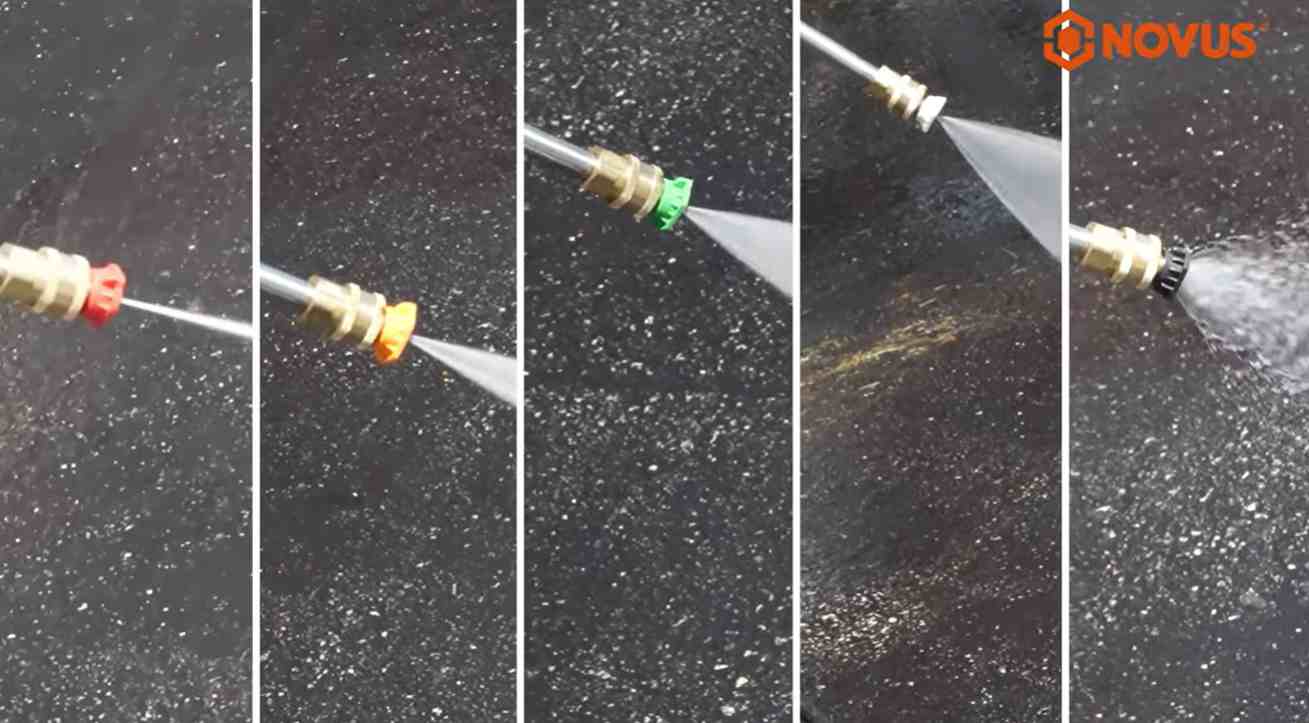
- Remove the tip of the nozzle and clean it using a nozzle cleaning tool or a pin.
- Scale-clogged nozzles should be soaked in warm vinegar or water. This will dissolve mineral buildup.
- Regularly check and clean your nozzles to prevent buildup.
Air in the Pump (Air Lock)
If air enters the pump, it can prevent the washer from building pressure properly.
Symptoms:
- Intermittent flow of water
- Water flow with bubbles or splashes
Solutions:
- Disconnect the spray gun. Turn off the pressure washer.
- Let water flow through the pump but without starting the engine and releasing the trapped air.
- Reconnect the hose and the spraying gun. Then, restart the machine.
Unloader Valve Problems
The unloader valve controls the water pressure in gas pressure washers. It can cause problems if it is blocked or damaged.
Symptoms:
- Pressure fluctuates when pulling the trigger
- Pump noise increases or changes
Solutions:
- Inspect and clean the unloader valve to remove any debris and/or corrosion, using a cleaning agent as needed.
- The valve should be adjusted in accordance with the manufacturer’s instructions.
- You can replace the valve if it is worn out or damaged.
Worn Pump Seals or Plungers
Over time, the pump components of your gas pressure washer may also wear out, especially if the washer was not well maintained or if it had been used extensively.
Symptoms:
- Constantly low pressure despite proper water supply and clean nozzle
- Leaks around the pump visible
Solutions:
- Inspect the pump seals, pistons, and plungers. Replace worn components according to manufacturer’s recommendation.
- This can be insured by using quality oil in your pumps and running them on a regular basis.
- If the damage to the pump is extensive, consider changing the whole pump assembly.
Tips to Prevent Gas Pressure Washer from Losing Pressure
Once you’ve revived your pressure washer, prevention is the best way to avoid future pressure washer problems. Here are some basic and useful guidelines:
Always purge the pump of air prior to operation: This will prevent air lock from occurring.
- Clean the nozzles frequently: Small particles or minerals can cause pressure issues.
- Avoid running the pump dry: Running the pump dry may damage seal and plunger parts.
- Clean nozzles regularly – Even minor debris or mineral deposits can affect pressure.
- Use proper fuel and oil: Poor-quality fuel or incorrect engine oil can reduce the performance and pressure output of the engine.
- Winterize your machine: Drain your water and store it in a dry place during winter to avoid damage from the extreme temperatures.
- Regular Maintenance: Periodically inspect hoses, fittings, and valves to ensure all are in top working conditions.
In conclusion, the problem of insufficient or no pressure in the gas pressure washer may be caused by various reasons. But don’t worry, most of the issues can be easily identified and resolved. Whether it is a clogged nozzle, air in the pump, malfunction of the relief valve, or wear of the pump seals, simply follow the above steps and the machine’s performance can be restored.
Regular maintenance, proper storage and correct operation can prevent the occurrence of most pressure-related problems. Properly maintaining your gas pressure washer is essential to ensure its normal operation, enhance its efficiency and extend its lifespan.


Leave feedback about this