

Carbon monoxide (CO) is a silent danger that often gets unnoticed but is a real threat in generator operations. It is colorless, odorless, and non-irritating, yet it can cause poisoning and even fatal accidents within a short period of time. Therefore, whether to equip a CO sensor and an automatic shutdown function has become a crucial safety indicator to be focused on when purchasing an inverter generator.
This article will provide a step-by-step explanation of the role of CO monitoring and automatic shutdown in generators in terms of safety, along with practical safety tips for indoor and outdoor generator use, thereby assisting you in minimizing the risk of carbon monoxide poisoning effectively throughout the selection and use process.
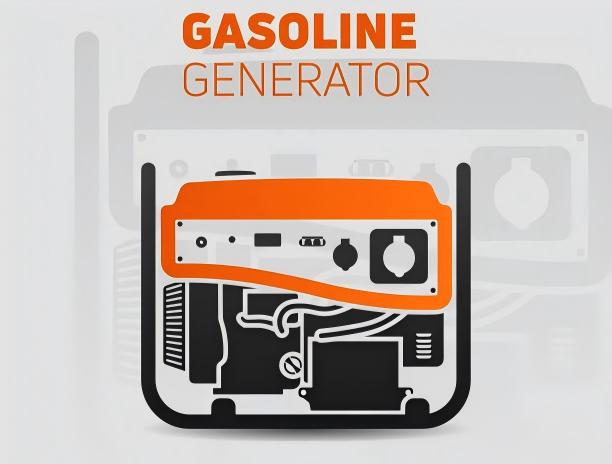
Why Does A Generator Produce CO?
The generator produces power through the combustion of gasoline, diesel, or natural gas. The burning process emits carbon monoxide (CO) as a by-product. If the generator is placed indoors, in a garage, basement, tent, or a poorly ventilated area, the exhaust cannot disperse timely, and the CO level will quickly rise. Moreover, besides the reasons like overloading, neglecting proper engine maintenance and using quality fuels, incomplete combustion is one of the factors that increase CO during the process.
To tell the truth, a lot of cases of CO poisoning are caused because of the use of generators in closed places. Such misfortunes can be prevented by using just the basic safety tools.
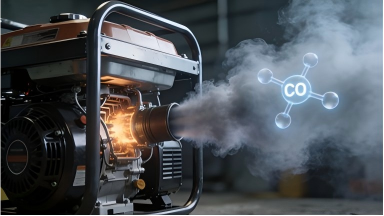
CO Sensor In Inverter Generator: How Does It Protect You?
A CO sensor’s main purpose is to keep an eye on the air’s CO level and to do that in real-time. Whenever the level of CO goes beyond a safe limit, the sensor will instantly sound an alarm and alert users to take prompt action. There are also some high-end generators that will go as far as shutting down their operation automatically when they detect CO at a hazardous level, thus eliminating the possibility of CO being produced at the root.
This device’s worth is not only in its “warning” but rather in its early warning capability which prevents the onset of symptoms in the poisoned and thus providing the victim with precious time to escape and responders to act.
Why Is A CO Sensor Considered An Essential Safety Device For Generators?
With the enhancement of safety awareness, many countries and regions have explicitly required that generators must be equipped with CO monitoring and alarm functions. For instance, standards such as ANSI/UL 2201 have imposed strict requirements for CO safety devices. This is not only a need at the regulatory level, but also a fundamental guarantee for life safety.
For companies and people, the installation of CO sensors can act as a protective shield against accidents, minimize legal liability, and above all, safeguard the health of the operators, family members, or the workers on the construction site.
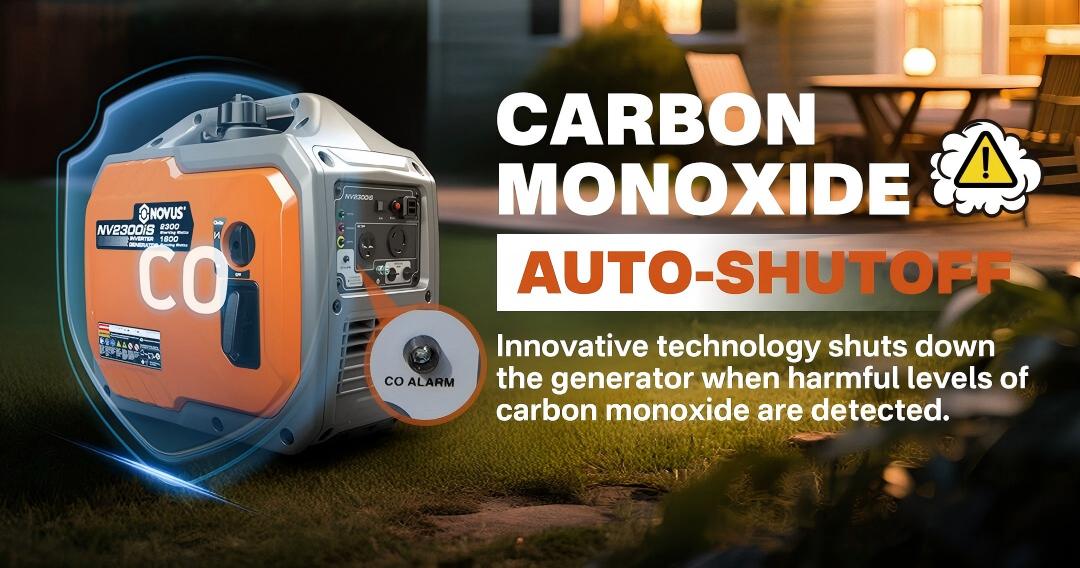
CO Safety Recommendations for Using Generators Indoors and Outdoors
Generators should not and must not be used in indoor areas or even in partially enclosed places. Generators are not to be used indoors, in garages, basements, on balconies, or in tents, even if windows or doors are open, due to the fact that proper ventilation cannot be assured. In such areas, the presence of CO increases very quickly, creating a situation of very high risk.
Outdoor use also requires maintaining a safe distance.
Even outdoors, generators should be kept away from doors, windows, exhaust vents, and ventilation systems to prevent CO from being carried indoors by airflow. Pay attention to wind direction changes, especially in small courtyards or near buildings.
CO sensors cannot replace proper usage habits.
It is important to emphasize that CO sensors and automatic shutdown functions are safety supplements, not a “liability absolution” for improper use. Proper usage environment and placement are always the first line of defense against carbon monoxide poisoning.
How To Ensure That The CO Sensor Remains Effective At All Times?
In order for the CO sensor to function properly, users need to pay attention to the following points:
- Regular calibration to ensure accurate detection
- Keep the sensor clean to prevent dust or oil contamination from affecting its performance
- Install it in the correct position to avoid being blocked or placed close to heat sources
- Replace the aged sensor in a timely manner as recommended by the manufacturer
- Always use the generator in conjunction with good ventilation
Conclusion
The CO sensor of the generator seems to be a small additional device, but it bears a huge responsibility for safety. It not only can prevent potential poisoning accidents, but also makes the use of the generator more reliable and secure. Whether you are a household user or a professional operator, you should prioritize CO safety and ensure that every use of the generator is safe.


Leave feedback about this