

Using a tiller to plow the vegetable field can loosen compacted soil, break up clumps, and create a suitable surface for planting crops. Many growers have this question: how many times should you till a garden before planting?
In fact, there is no unified and fixed standard for plowing the vegetable field. Some plots can reach the ideal state with just one plowing; however, for hard soil or virgin land that has never been cultivated before, it often requires multiple plows. Instead of worrying about the number of plows, what’s more important is to observe the actual condition of the soil and stop the operation once the conditions suitable for planting are met.
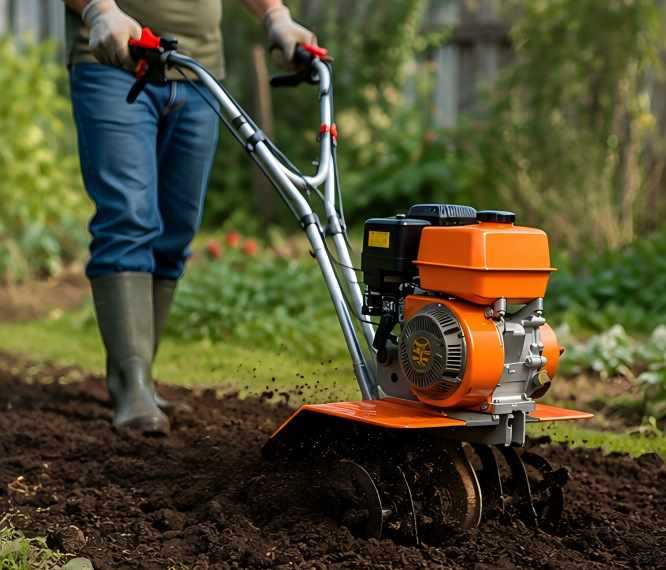
How Many Times Should You Till a Garden?
For most already established garden beds, a thorough tilling once is sufficient to meet the requirements. If the soil remains compact after the tilling, or there are still many large clods of soil remaining, another round of tilling can be carried out. For newly cultivated plots or land with exceptionally hard soil, multiple rounds of operations may be necessary. Whether to continue tilling should be judged based on the actual condition of the soil, rather than applying fixed standards mechanically.
| Garden or Soil Condition | Typical Number of Passes | What to Look For |
| Previously cultivated, loose soil | 1 | Soil is already workable and relatively even |
| Lightly compacted garden soil | 1–2 | A second pass may improve texture and consistency |
| Soil with large clods after the first pass | 2 | Second pass helps break up remaining clods |
| Moderately compacted soil | 2 | Inspect the soil before deciding whether another pass is needed |
| New or very hard ground | 2–3+ | Additional passes may be necessary, often starting with shallower passes |
| Wet or excessively damp soil | Wait | Allow the soil to reach a suitable moisture condition before tilling |
These are general guidelines rather than fixed requirements. Soil composition, moisture, tiller design, working depth, and the condition of the garden all affect how many passes are appropriate.
After the first pass, stop and inspect the soil before continuing. If it is already loose enough for the intended planting, another pass may provide little benefit.
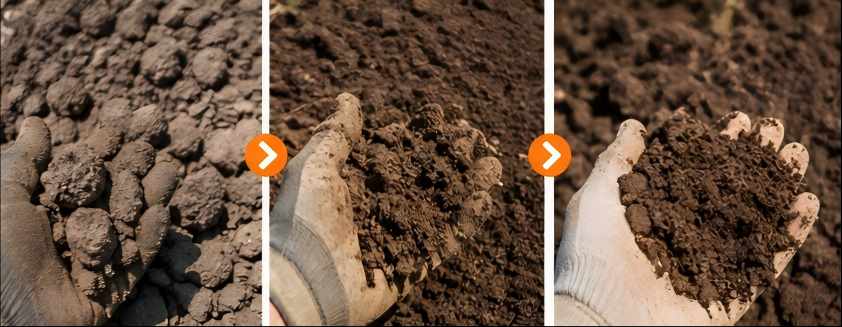
When a second pass is necessary, changing direction can improve coverage. For example, the first pass can follow the length of the garden bed, while the second pass runs across it. This can help address areas that were not loosened evenly during the first pass.
At the same time, avoid assuming that more passes always produce better soil. Repeatedly working the same ground can unnecessarily disturb the soil, especially when the desired planting condition has already been reached.
How to Till a Garden Before Planting
Farming is not simply about operating machines back and forth in the field to crush the soil. The soil conditions before and after the farming process, as well as during the operation, will all directly affect the final outcome of the farming.
1. Check the Soil Before Tilling
First, assess the soil moisture and soil quality. If the soil moisture is too high, after plowing, it will form heavy and sticky soil clumps, which will further aggravate soil compaction. If the soil is very sticky and clings to farm tools, or if it forms lumps that are difficult to break apart, it is not advisable to plow immediately. It is recommended to postpone the operation.
At the same time, clear and inspect the plots, paying attention to whether there are stones, thick tree roots, buried debris, or dense weeds underground. These objects will interfere with the normal operation of the plow machine.
2. Prepare the Garden Area
Clear all the stones, branches and various debris within the plot. If the plot has thick lawns or native vegetation, make sure to prepare for their removal or treatment in advance.
Try to prepare a clean working area before plowing. Do not expect the plow machine to be able to crush and handle all the foreign substances in the soil.
3. Make the First Tilling Pass
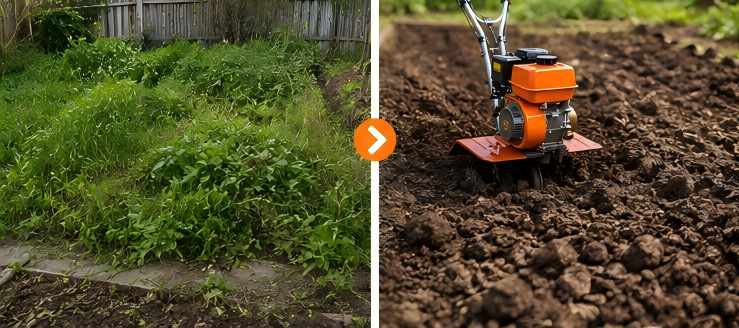
Start with a controlled pass through the garden bed. Keep the machine moving at a steady pace and avoid rushing through areas where the soil is particularly hard.
The first pass does not necessarily need to produce a perfectly fine seedbed. Its purpose may simply be to loosen the upper layer and identify areas that need additional attention.
4. Inspect the Soil
After the first pass, examine the soil instead of immediately making another pass.
Look for:
- Large remaining clods
- Hard or compacted areas
- Unevenly worked sections
- Areas that have not reached the desired depth
- Excessively wet or sticky soil
If the soil is already loose and workable, you may be finished.
5. Make a Second Pass If Needed
If the first pass has not produced the desired result, make a second pass rather than automatically repeating the same process several times.
A different direction can provide more even coverage and help break up clods left behind by the first pass. However, the second pass should still be controlled. If the soil is becoming excessively fine or the machine is simply reworking already-loose soil, there may be little reason to continue.
For very hard or previously uncultivated ground, several passes may sometimes be necessary. In these situations, working the soil progressively rather than trying to achieve the final condition in a single deep pass can be more practical.
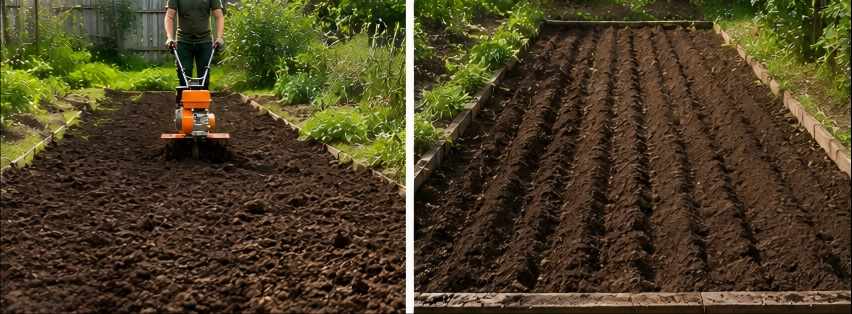
What to Do After Tilling Before Planting
Cultivating the land is just one step in preparing a vegetable garden. Once the soil is in the right condition, do not immediately plant seeds; instead, prepare the seedbed first.
First, inspect the soil surface, remove any remaining stones, roots, and debris. If necessary, level the seedbed to ensure even watering and consistent planting depth.
If you need to apply compost or other amendment materials, adjust the ratio based on the soil type and the needs of the crops. Do not apply them uniformly.
Depending on the condition of the seedbed and the type of crop, it is best to let the soil settle for a period of time before planting. The ideal planting soil layer should be loose to facilitate root growth and have a good structure to retain water.
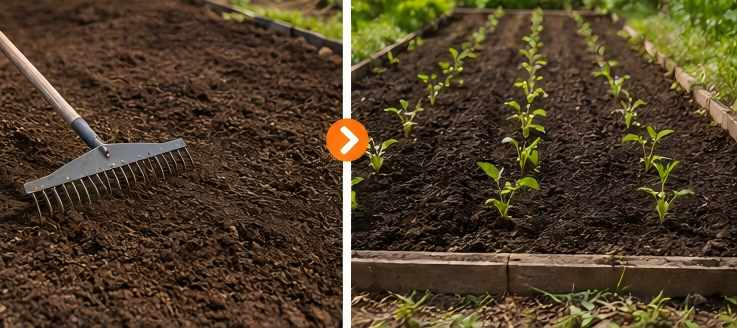
The key to determining if the land preparation is adequate is not the number of times the tiller is used, but whether the soil conditions meet the requirements for subsequent planting.
FAQ
Should You Till a Garden Twice Before Planting?
Not necessarily. One pass may be enough when the soil is already loose and workable. A second pass is useful when large clods, compacted areas, or uneven sections remain.
How Do You Know When the Garden Has Been Tilled Enough?
The soil should be sufficiently loose and reasonably even, with no major hard patches or large clods that would interfere with planting. If another pass produces little improvement, further tilling may not be necessary.
Does Soil Type Change How Many Times You Should Till?
Yes. Loose soil may need only one pass, while hard or compacted ground may require additional passes. Soil moisture also matters, since working soil when it is too wet can create additional problems.
Is One Pass With a Tiller Enough?
It can be. If the first pass produces the soil condition needed for planting, there is no need to make another pass simply to reach a predetermined number.
Should the Second Tilling Pass Be in a Different Direction?
Changing direction can improve coverage and help break up remaining clods. A second pass is often made perpendicular to the first, although the best approach depends on the garden and soil condition.
How Many Passes Should You Make With a Tiller?
There is no universal number. Start with one pass, inspect the soil, and make additional passes only when they provide a clear improvement.


Leave feedback about this