

Dredging, repairing the bottom waterproof membrane, removing algae or conducting seasonal maintenance often require emptying the pond. Small ponds may be able to use siphoning or manual pumping, but in most cases, using a pump is the most efficient and convenient method.
However, to quickly drain the water from the pond, simply connecting the pump is not enough. The selection of the pump, the installation of the pipeline, and the operation steps all directly affect the speed of drainage. This article will comprehensively explain the operation of draining water from the pond, clarify the common misconceptions that slow down the drainage efficiency, and at the same time, based on the actual conditions of the pond, teach you to select the appropriate pump.
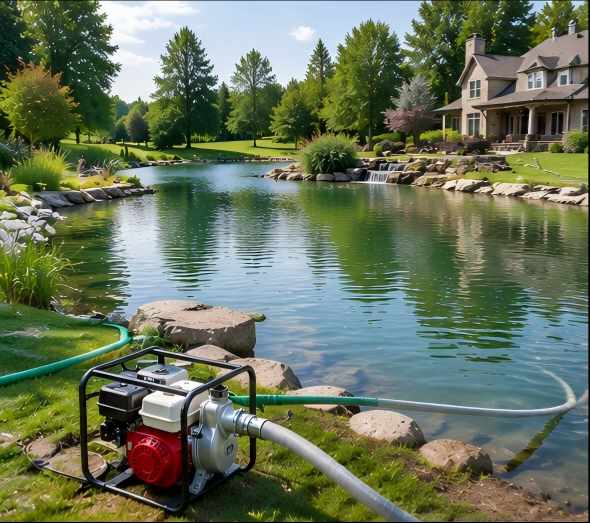
Choose the Right Pump Before You Start
Choosing a pump that is suitable for the water quality is the key to determining the speed of water drainage in the pond. When a pump designed for clear water is used in sewage mixed with fallen leaves, algae, and mud, the drainage effect will be greatly reduced.
Drainage pumps do not need to blindly pursue high power. The model that suits the impurities in the pond water is the most appropriate.
| Pond Condition | Recommended Pump | Why It Works |
| Clean water | Clear water pump | Efficient for water with little or no debris |
| Leaves, algae, sand, or light sediment | Semi-trash water pump | Designed for water containing small solids with less risk of clogging |
| Heavy sludge or larger debris | Trash pump | Better suited for handling larger solids |
| Decorative pond | Clear water pump | Ideal for relatively clean water and routine maintenance |
The pool water contains fallen leaves, algae, dead branches and silt. The semi-trash water pump should be selected first. It can discharge the water smoothly and is less likely to get clogged.
Before installing the pump, confirm the pump’s ability to remove debris, the size of the hose and the suction height. Compatibility with the water quality conditions is far more important than simply increasing the power.
Related Articles:
Semi-Trash Pumps vs Clear Water : What’s the Difference and Which One Do You Need?
Prepare the Pond for Draining
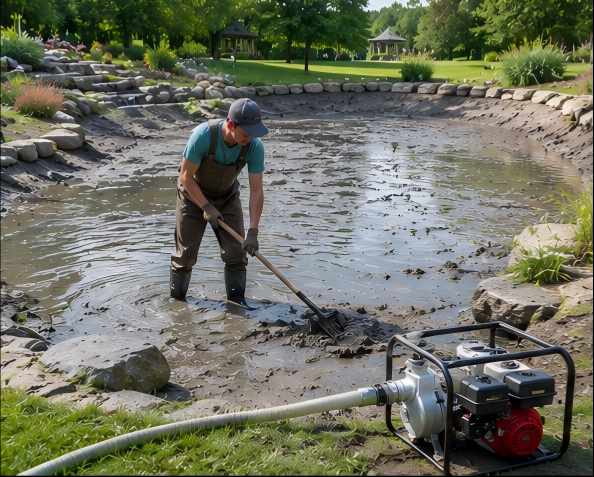
Before pumping, carry out pre-treatment of the site to reduce mid-process failures and stoppages.
- Remove large debris such as large stones and coarse branches from the clarifier to prevent pump blockages and equipment damage;
- Transfer fish, shrimp and aquatic plants to the oxygenation temporary storage tank in advance;
- Confirm that the drainage area can accommodate a large volume of water, avoid water erosion, and comply with local drainage regulations;
- Place the pump horizontally and firmly, and try to keep the water pipe straight to reduce bends and long pipelines, to ensure drainage efficiency.
How to Drain a Pond with a Pump: Step-by-Step
After completing the preliminary preparations, the pond water can be emptied according to the following steps.
Step 1: Position the Suction Hose
Place the suction hose in the deepest part of the pond water, with the hose end with the filter net suspended above the bottom to prevent sand and debris from entering and blocking the water pump.
Step 2: Prime the Pump (If Required)
Self-suction pumps can be started directly, while ordinary water pumps need to be filled with water and vented in advance. Strictly follow the original factory instructions for use.
Step 3: Start Pumping
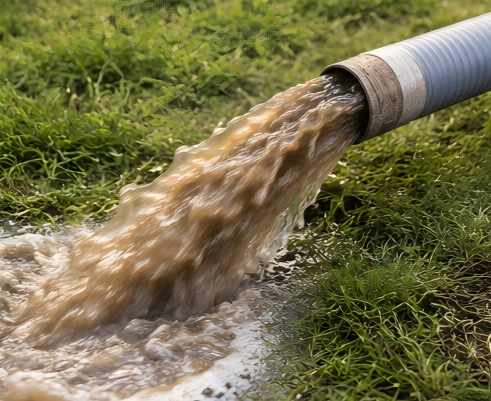
After starting the water pump, observe the water discharge condition. If the water flow is stable, it is normal. If the water flow is weak or unstable, immediately stop the machine to check for air leakage, loose connections, or filter blockage, etc.
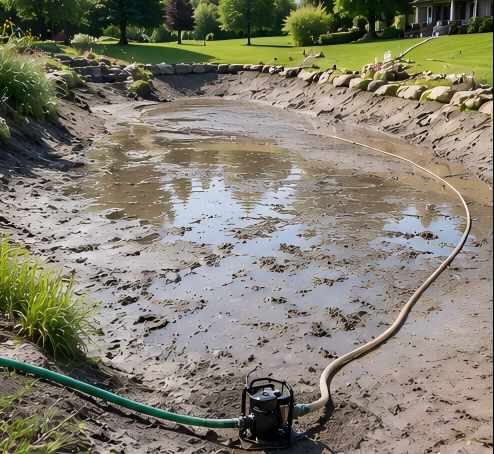
Step 4: Reposition the Hose as the Water Level Drops
When the water level drops, promptly move the suction hose to the low-lying water accumulation area to maximize the drainage of the pond water and improve the drainage efficiency.
Step 5: Stop Before the Pump Runs Dry
Stop the machine immediately after the water discharge stops. Water pumps rely on water cooling and lubrication, and idling will seriously damage the equipment and shorten its service life.
After the pumping is completed, the dirty water and sludge remaining at the bottom of the pond can be cleaned up using a shovel, an oil suction machine, or a sludge pump.
Common Mistakes That Slow Down Pond Draining
Even if the right pump is chosen, many operational mistakes can still slow down the drainage efficiency and increase the operational difficulties.
Using the wrong type of pump
Water pumps are only suitable for clean water bodies. Water containing fallen leaves, algae, and silt is highly prone to clogging. Selecting the pump based on the water quality will make the drainage more stable and efficient.
Leaving large debris in the pond
Stone blocks and thick branches can block the suction port, frequently interrupting the pumping process. Regular cleaning can save a lot of time.
Using undersized or excessively long hoses
The small diameter limits the flow rate, and the long hose increases the water resistance. It is recommended to choose the hose of the manufacturer’s specified size.
Starting from shallow areas
Place the suction pipe at the deepest part of the pond first to reduce the need for frequent moving of the pipe during the process.
Allowing the pump to run dry
When the water supply is interrupted, it is necessary to shut down immediately. Running the pump in idle mode is likely to wear out the seals and internal components.
After Draining: What’s Next?
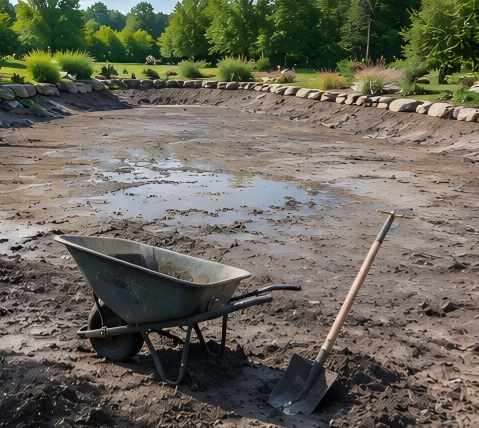
After the pond is emptied, it is the best time to carry out a comprehensive cleaning and maintenance.
Thoroughly remove the accumulated silt, fallen leaves and various organic debris from the bottom of the pond, and carefully inspect whether there are any damages, perforations, aging or wear and tear on the pool walls and bottom lining. At the same time, check the operation status of the filtration, waterfall and fountain and other supporting equipment.
If you plan to refill the pond immediately, be sure to add water slowly to avoid flushing and disturbing the freshly cleaned pond. Wait until the water quality and temperature of the pond stabilize, then return the fish, shrimp and aquatic plants to the pond.
Daily maintenance does not require frequent emptying of the pond. However, if you need to completely drain the water, select an appropriate pump for the situation, install it in a standardized manner, and avoid common mistakes. This way, you can not only complete the drainage work efficiently, but also effectively reduce equipment wear and tear and extend the service life of the pump.


Leave feedback about this