

The inverter generator is different from the ordinary open-frame generator. It is smaller in size, has lower noise, and produces purer electrical energy. The product functions properly in RVs and camping activities and home emergency power supply as well as for precise electrical devices. Many beginners can operate the device but they do not understand how to keep it running properly. The process results in multiple issues which include carbon buildup and cylinder seizure and oil leakage and unstable output. The guide provides complete instructions to handle all aspects of the system which includes daily operations and maintenance routines and storage requirements and emergency repair methods and safety measures. The machine lifespan increases and failure rate decreases when beginners follow these steps.
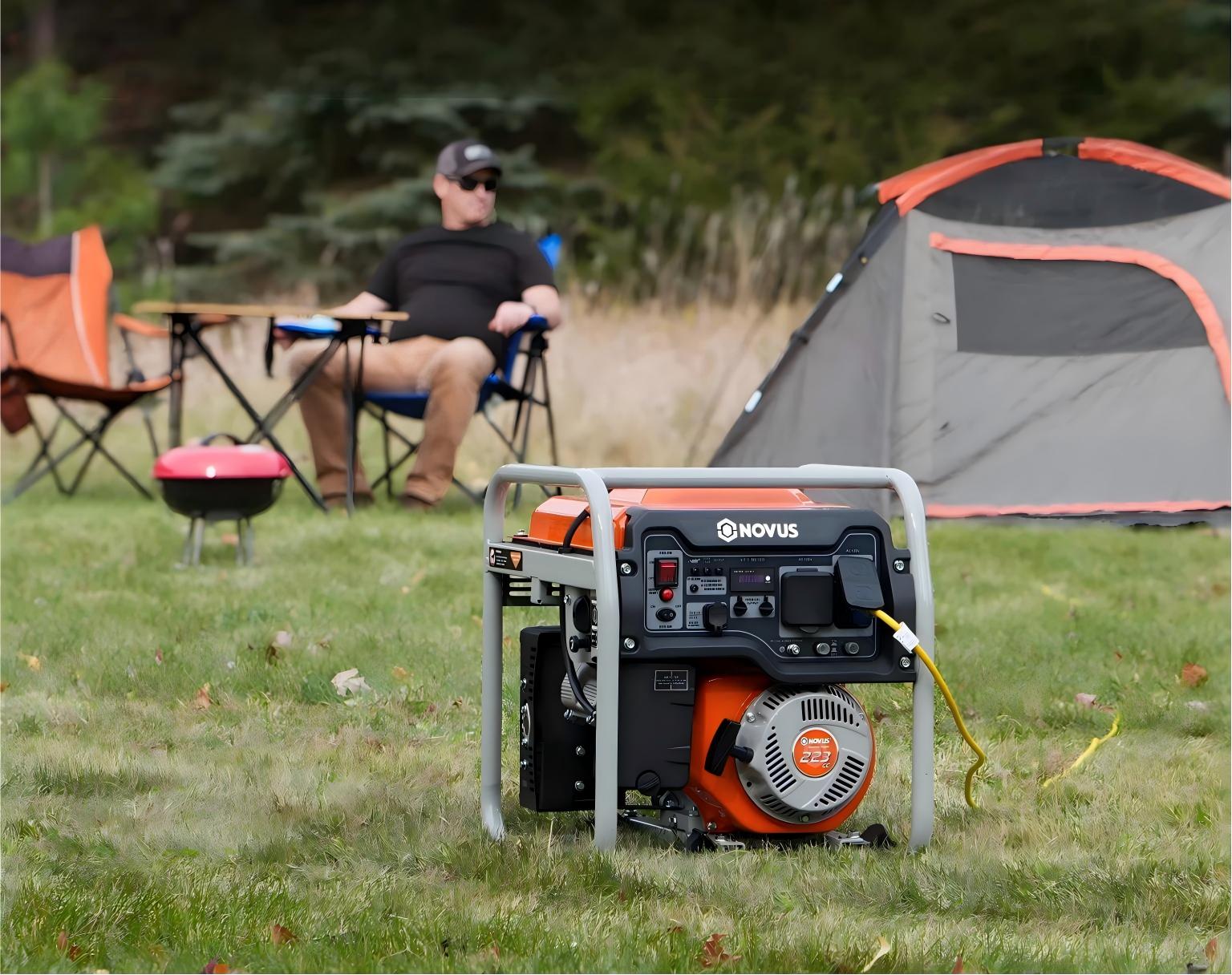
Pre-use Basic Inspection
Before each start-up, spend 2-3 minutes for a check, which can avoid the vast majority of sudden malfunctions. This is the most easily overlooked step by beginners.
Fuel Check
Use unleaded gasoline preferred, which has an octane rating of 92 or higher. The use of fuel which contains excessive ethanol content or low-quality gasoline must be avoided because it leads to fuel line blockages and carburetor damage.
Check the fuel tank level. Do not let it fall below the minimum mark, nor overfill. If it’s the first use after a long period of storage, the old fuel must be drained and replaced with fresh gasoline.
Pay attention to the condition of the fuel filter. Clean or replace it promptly if there are obvious impurities or blockages.

Engine Oil Check
Find the oil dipstick, remove it, wipe it clean, reinsert it and then remove it again. Observe that the oil level should be between the upper and lower markings. Do not start the engine with insufficient oil; otherwise, it will directly cause the engine to suffer from cylinder seizure and bearing seizure.
Confirm that the engine oil is not emulsified, cloudy, or has a gasoline odor. If the engine oil contains milky white foam, it indicates possible water ingress; do not start the engine in this case.
Electrical and Visual Inspection
Inspect the output sockets and power cords for damage, leakage, or burn marks, and ensure the grounding terminal is secure.
Check the air filter housing, fuel tank, and fuel lines for looseness, oil leaks, or air leaks, and ensure the vents are not obstructed.
Confirm that the ignition switch and throttle switch are in their normal positions, and that the emergency stop switch is not stuck.
Standard Operating Procedures During Use
The inverter module of the inverter generator and the engine are very sensitive to the usage environment and operation methods. Novices should keep these restrictions in mind.
Operating environment: It must be used in an outdoor area with good ventilation. It is strictly prohibited to turn on the device in indoor spaces, garages, tents, etc., as this may cause carbon monoxide poisoning. Avoid working in damp, rainy, or environments with extremely high dust levels to prevent short circuits and filter element blockage.
Load control: Do not operate continuously at full load. For daily use, it is advisable to keep the load at 70%-80% of the rated power. When starting inductive loads (such as refrigerators, air conditioners, motors), start the generator first, then connect the load to avoid sudden shock and damage to the inverter module.
Operation status observation: After powering on, pay attention to the rotational speed, noise, and exhaust. If there is any abnormal noise, severe shaking, excessive black smoke / white smoke, or unstable output voltage, immediately stop the machine for troubleshooting. During operation, do not move or tilt the machine at will to prevent engine oil from flowing into the cylinders and fuel leakage.
Heat dissipation protection: Do not cover the generator body, do not stack items at the heat dissipation vents, ensure smooth heat dissipation to prevent the coils and inverter board from being damaged by high temperatures.
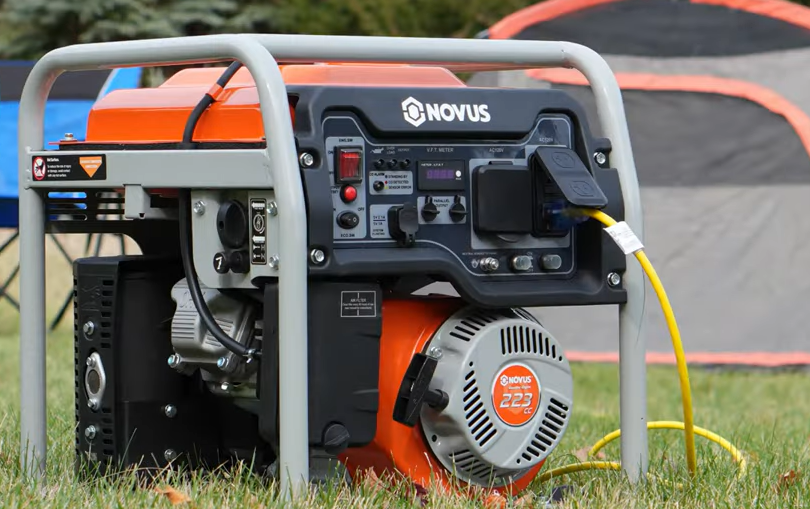
Periodic Maintenance By Cycles
New users should maintain their devices according to the dual criteria of usage duration and time. There are slight differences for different brands and models. You can make minor adjustments by referring to the user manual. The following are the general standards.
1. First-stage break-in and maintenance (critical for new machines)
When the new machine is manufactured, the engine oil is the running-in oil. After the initial 5-10 hours of operation, the first maintenance must be completed. This is crucial for extending the engine’s lifespan.
- Replace the engine oil with the four-stroke generator-specific oil of the model specified in the manual. Common types include SAE 10W-30 and 10W-40. Avoid using inferior automotive oil or waste oil.
- Check and clean the air filter, inspect the spark plug electrode gap, and tighten all the screws on the vehicle.
2. Regular short-term maintenance
Every 50 hours of operation / every 1 month, the latest one shall prevail.
Replace / Clean the air filter
The inverter generator usually has paper dry-type filters or sponge filters. If there is not much dust, blow it out from the inside to the outside with compressed air; if the filter becomes black, damaged, or severely clogged, replace it directly. The sponge filter can be removed and cleaned with water + neutral detergent. After drying, apply a small amount of special engine oil to enhance the filtering effect.
Check the spark plugs
Remove the spark plugs and inspect the electrode condition: normal electrodes should be light brown in color, without carbon deposits, no wear, and no oil stains. If there is black carbon deposits, use a special tool to clean them; if the electrode gap is too large or too small, adjust according to the manual (generally 0.7 – 0.8mm); if the electrode is abraded or cracked, replace it directly.
Oil check and replenishment
Check the oil level and replenish with the same type of oil in a timely manner. Do not mix different brands or different grades of oil.
Full vehicle tightening
Check the fuel tank cap, oil pipe joints, screws, muffler, and base bolts to prevent loosening that could cause oil leakage or abnormal noises.
3. Mid-term Deep Maintenance
Every 200 hours of operation / every 3 months, as a minimum
Replace the engine oil completely and also replace the oil filter (for models with an oil filter). Properly recycle the old oil and strictly prohibit random dumping to prevent environmental pollution.
Thoroughly clean the fuel filter. If it is a replaceable filter, replace it directly, unclog the oil passage, check for aging and cracking of the oil pipes, and replace the aged pipes immediately.
Check the carbon brushes, rectifiers, and connection terminals of the inverter module. Clean the oxidation and dust at the connection points to ensure good contact.
Check the carbon deposits in the muffler. Lightly clogged deposits can be cleaned, but severely clogged ones need to be replaced to avoid poor exhaust flow and reduced power.
4. Annual Comprehensive Maintenance
Every 500 hours of operation / every year, the first one takes precedence.
Completely disassemble and clean the carburetor, clean the idle hole and main metering hole, remove gum and carbon deposits, and solve the problems of unstable idle speed and difficult starting.
Replace all consumables such as air filter, spark plugs, fuel filter, engine oil and oil filter.
Test the output voltage and frequency to ensure the stability of the inverter module’s output. For household use, the standard is 220V ± 5%, 50Hz.
Inspect the engine seals, check for oil leakage and water leakage problems, and replace the worn sealing gaskets.
Long-term Storage Maintenance (idle for more than 30 days)
Many beginners dispose of their equipment directly in the corner after use. When they try to use it again, it won’t start and the fuel system is ruined. For long-term storage, follow the steps carefully.
Fuel handling
Empty the gasoline in the fuel tank, or add a special fuel stabilizer to the fuel to prevent the gasoline from deteriorating and forming gum, which could clog the carburetor and fuel lines. Start the generator and let the old fuel in the fuel system burn completely until the machine automatically shuts off.
Oil and filter replacement
Replace with new engine oil and oil filter. Do not store the vehicle with old oil for a long time to prevent the old oil from deteriorating and corroding the inner walls of the engine.
Filter element and spark plug
Clean or replace the air filter. Remove the spark plug. Drop 2-3 drops of special engine oil into the cylinder. Pull the start rope manually to allow the oil to evenly adhere to the cylinder wall to prevent rust. Then reinstall the spark plug.
Cleaning and Storage
Wipe the body of the generator, remove dust and oil stains. Place the machine in a dry, ventilated, light-shielded, and moisture-proof environment and cover it with a dust cover. Do not place it in a damp basement or outdoor area to prevent metal parts from rusting and electrical components from getting damp and short-circuiting.

Regular activation
During the long period of inactivity, start the generator every 2-3 months and run it at no load for 5-10 minutes. This allows the various components of the engine to lubricate and activates the inverter module, preventing components from rusting or getting stuck.
Summary of Core Maintenance for Beginners
- Before starting the machine, check the oil, electricity, and ensure there is no malfunction before powering on.
- Change the engine oil, replace the filter elements, and inspect the spark plugs at regular intervals. Do not delay maintenance.
- If the machine is left idle for a long time, handle the fuel properly and ensure proper moisture-proof storage.
- Use the machine under standardized load and environmental conditions. Do not overload or start the machine in a closed environment.
- For minor faults, conduct simple troubleshooting first. For complex issues, seek professional after-sales service. Do not blindly disassemble the machine.


Leave feedback about this