

For many caravan enthusiasts, the inverter generator is the ultimate “freedom tool”. However, even if you already have an inverter generator, it does not guarantee a smooth camping experience. Many caravan travelers will encounter unexpected power problems – circuit breakers tripping, generators overloaded, or insufficient power to run necessary equipment.
A successful RV camping is not merely about having a generator; the key lies in knowing how to properly plan and utilize electricity.
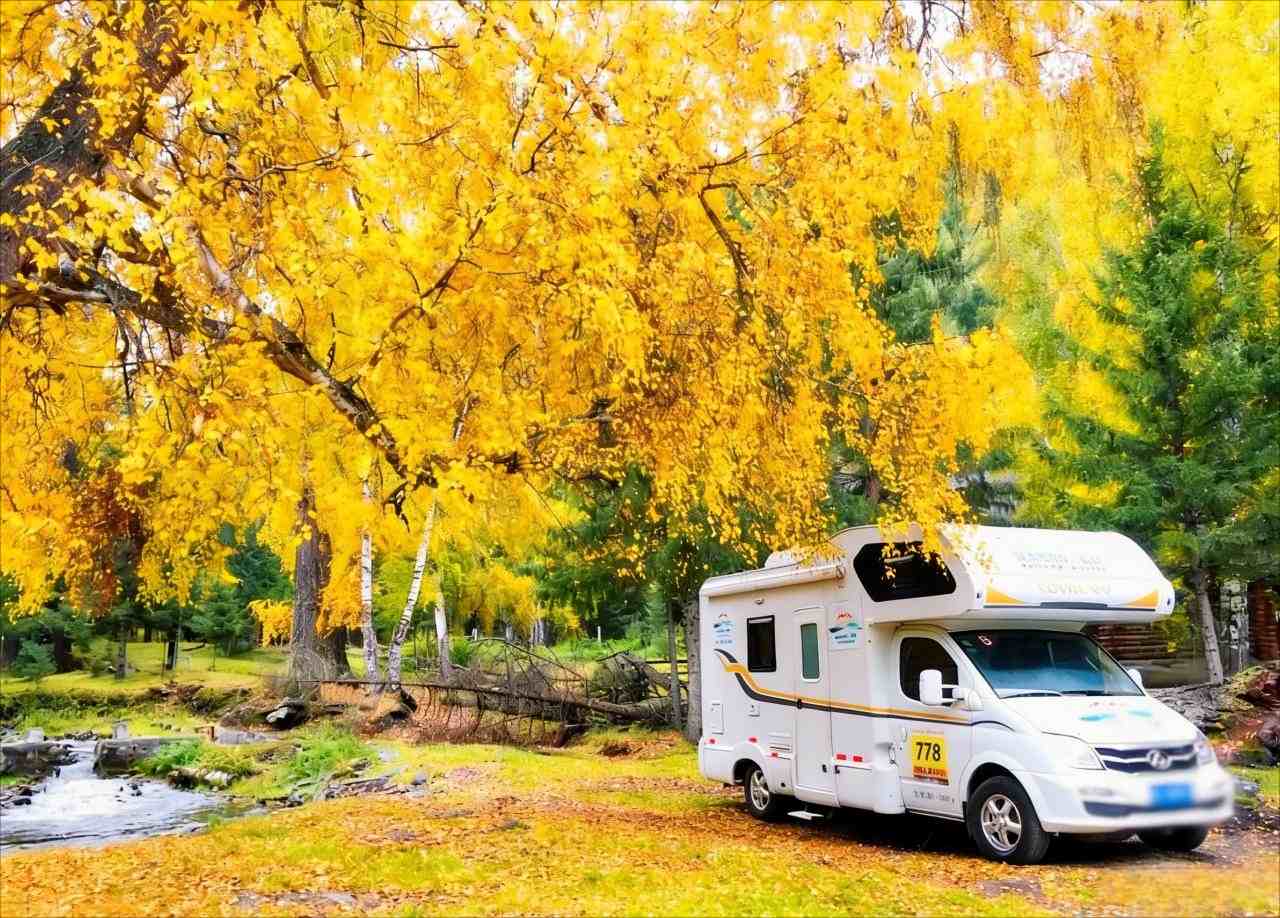
Why Power Priority Matters in RV Camping
The power limit of an inverter generator is fixed (i.e., the rated power). Unlike the seemingly unlimited power of household wall sockets, generators can easily get overloaded when used simultaneously with air conditioners, microwave ovens, and high-power battery chargers.
Without a power priority system, you might encounter the following risks:
- System voltage drop: A sudden drop in voltage can damage the sensitive control boards in refrigerators or air conditioners.
- Excessive wear: Continuous full-load operation of the generator will increase heat generation and fuel consumption.
- Noise pollution: High load will force the engine to increase its rotational speed, disrupting the tranquility of the wilderness.
Step 1: Categorize Your Devices by Power Priority
To manage power effectively, you must stop viewing all plugs as equal. Categorize your RV’s electrical needs into three distinct tiers:
To effectively manage the power supply, please take a few minutes to list all the devices you plan to use before you start. We can divide the power demand of the caravan into three different levels: ·
Level 1: Essential Equipment (Must be Running)
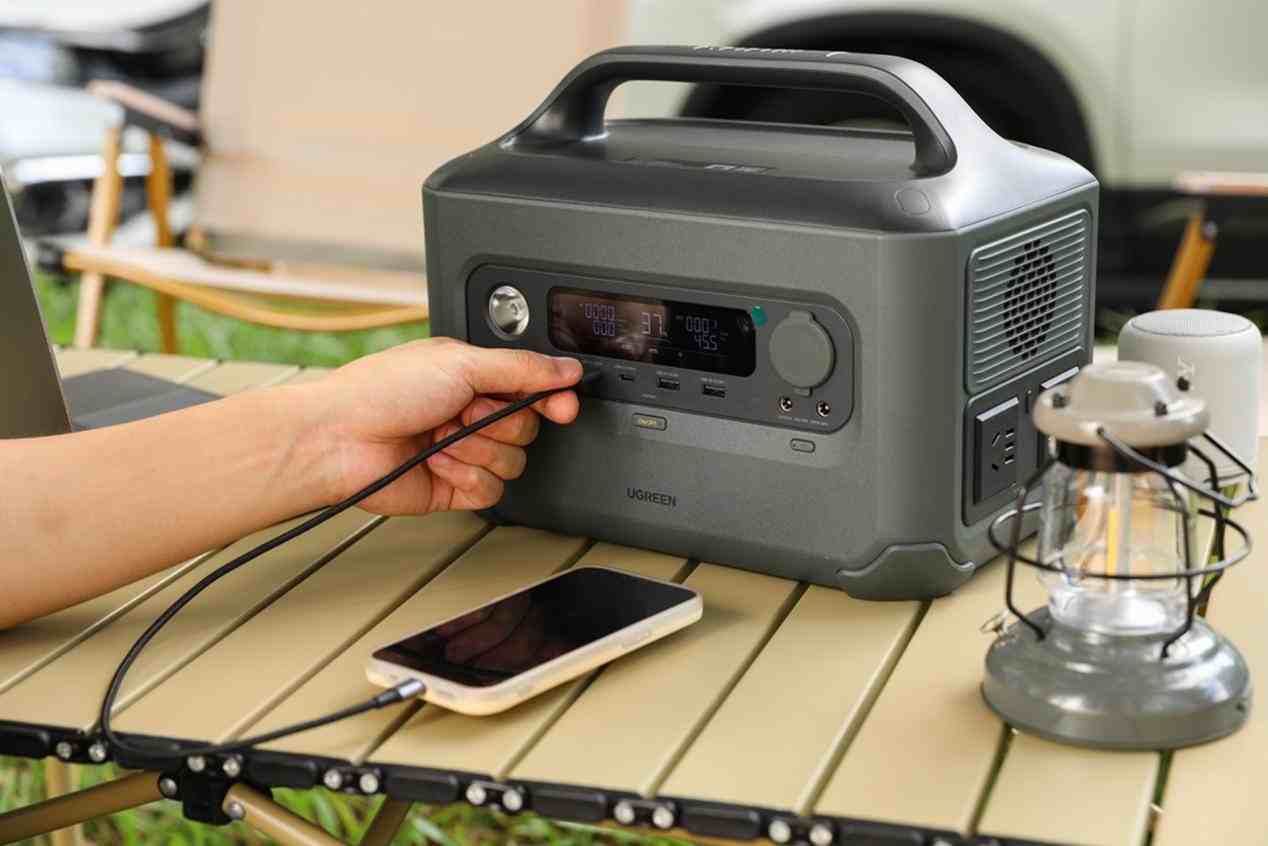
These are the devices that are indispensable during your journey:
- RV refrigerator
- Interior lighting
- Smartphones and communication devices
- Medical equipment (if any)
These appliances usually consume low electricity but need to operate continuously. Your entire electricity usage plan should be centered around ensuring that these appliances are always running.
Level 2: Flexible Devices (Capable of Scheduled Operation)
These are the devices that you use occasionally and can control:
- Microwave oven
- Coffee machine
- Electric kettle
- Laptop computer
They usually require medium to high power, but each usage lasts for a very short period of time. The key point is simple:
Use only one device at a time. Do not use all the appliances simultaneously.
Level 3: High-power Equipment (Use with Caution)
The following are the devices with the highest power consumption in the RV system:
- air conditioner
- Electric heater
- Hair dryer
- Electric oven
These appliances can easily push the generator to its limit. In most cases:
Only one high-power device can be operated at a time.
Step 2: Plan Your Power Usage by Time of Day

Efficiency is found in “stacking” your power needs into concentrated windows of time, rather than letting the generator idle all day.
- The Morning “Recovery” (1 Hour): After a night of dry camping, your batteries are low. Start the generator, set the charger to max, and simultaneously use the electric kettle or microwave for breakfast. By the time breakfast is over, your batteries have received their biggest “gulp” of energy.
- The Mid-Day “Passive” Phase: If you have solar panels, turn the generator off. Let the sun handle the trickle charging and small electronics while you are out exploring.
- The Evening “Peak” (1-2 Hours): Use this time for high-power needs like hot water heaters or hair dryers. Ensure all camera batteries and power banks are plugged into AC outlets now, so they don’t drain your house batteries overnight.
Step 3: Avoid Power Surge and Overload
The most common mistake is ignoring “Starting Watts” (Surge Watts). An RV air conditioner might need 2,800W to start the compressor but only 1,500W to keep it running.
The “1+1” Rule
Never start two high-draw appliances at the same millisecond. If you need to run the AC and the microwave, start the AC first, wait for the compressor to stabilize and the generator RPM to level out, then engage the microwave.
Use “Eco-Mode” Wisely
While Eco-Mode saves fuel, it slows the generator’s throttle response. If you know you are about to use a heavy tool or a microwave, switch Eco-Mode OFF first. This allows the engine to be at the ready to take on the load without a voltage dip.
Step 4: Create a Real-World Power Usage Plan
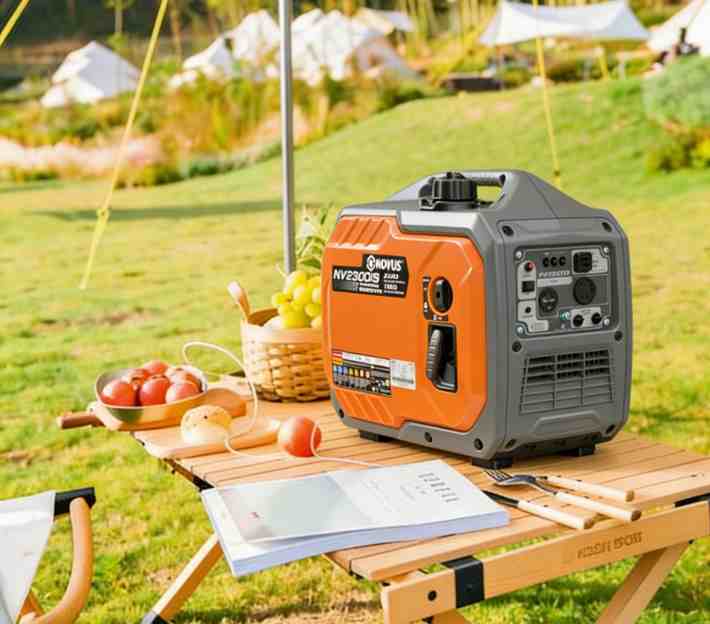
A successful trip requires a mental (or written) “Power Script.” Here is an example of a high-efficiency power workflow:
- Ignition: Start the generator and let it warm up for 2 minutes.
- The “Big Gulp”: Check the battery monitor. Ensure the converter is drawing its maximum allowed wattage to replenish the house batteries.
- The Interlock: If you need to use the hairdryer, temporarily turn the AC off. Modern inverter generators are smart, but they cannot bypass the laws of physics.
- The Top-Off: Before shutting down for the night, verify that every “vampire” device (phones, tablets, drones) is 100% charged.
- Shutdown: Switch the generator off 30 minutes before “Quiet Hours” begin at the campsite.
Ready to Power Your Next RV Adventure?
Managing an inverter generator is less about the machine’s size and more about the operator’s strategy. By prioritizing your battery bank, staggering your high-draw appliances, and timing your usage to coincide with peak needs, you can enjoy a “plugged-in” lifestyle even in the most remote locations.


Leave feedback about this