

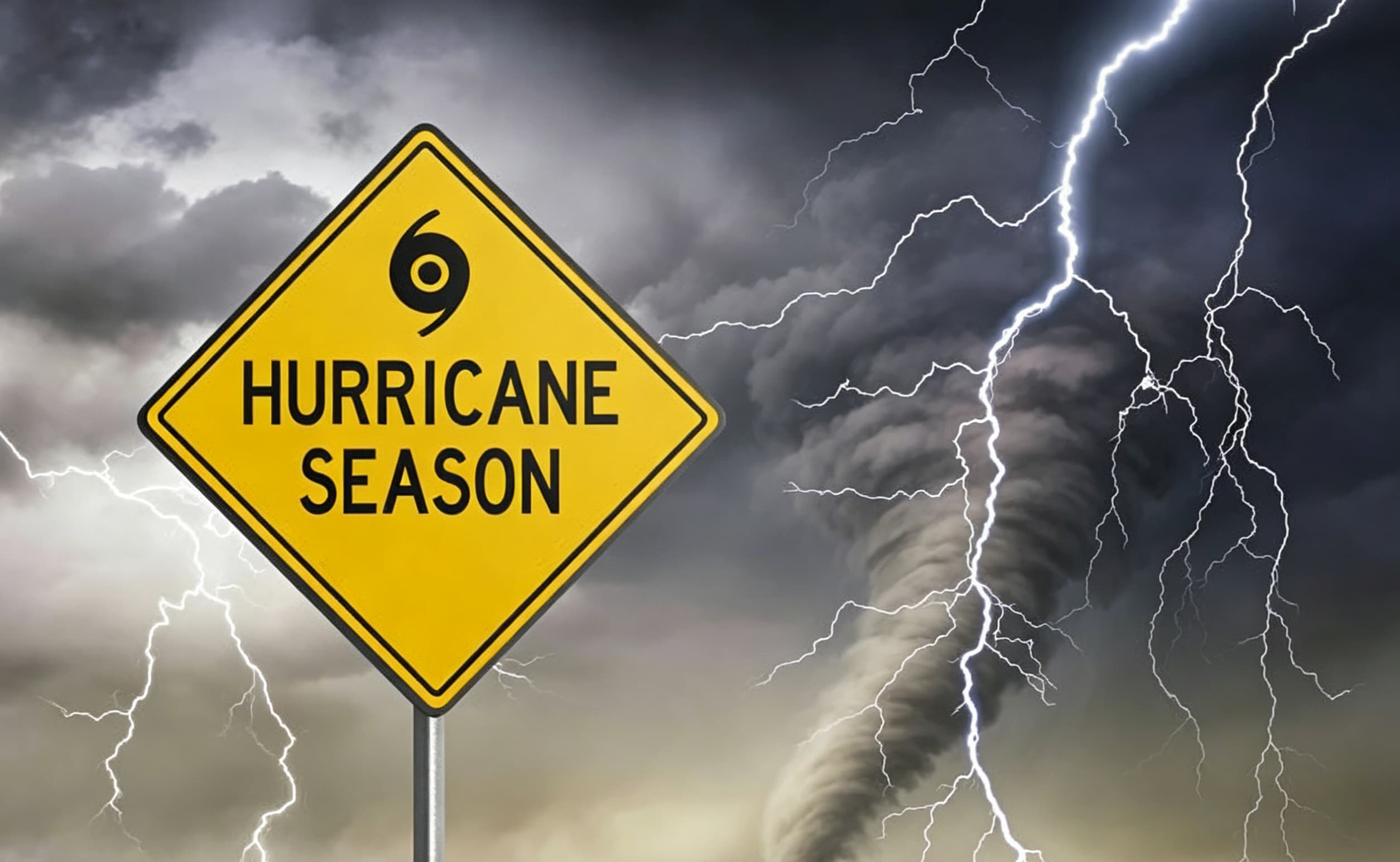
The season of hurricanes runs from June 1 to the 30th of November – Power outages is virtually certain. A properly-planned generator will keep the lights lit, food warm and your family secure. However, a generator that hasn’t been maintained or tested could be damaged exactly when you require it the most.
This guide will cover everything you should do prior to, during, and after an event.
Why Generator Preparation Matters Before Hurricane Season
The hurricanes of the year 2024 provided a harsh lesson in reality. Hurricanes Helene and Milton have caused more than $120 billion damage to people’s homes while leaving their victims without electricity for weeks. In case you were wondering, people who require electricity-dependent medications or air conditioners will need generators.
Emergency management experts warn that you may have as little as 12 hours of notice before a hurricane makes landfall. That’s not enough time to shop, maintain, or troubleshoot. Preparation has to happen before storm season begins.
Choose the Right Generator for Your Home
Are you unsure which generator is best suited to your requirements? Here’s a quick breakdown:
- Generators that are portable are affordable and flexible that run on gasoline and can be used outdoors. The best choice for most homeowners.
- Generators for standby are permanently installed and use propane or natural gas; activate automatically. It is ideal for households with medical equipment, or for frequent interruptions.
- Generators with inverters More quiet and fuel efficient; perfect for electronic devices that are sensitive however, they have lower output.
What power do you require? Add up the wattage of the essential appliances – refrigerator (~400W) window AC (~1,200W) lighting and phones chargers. Then, match that amount to the generator’s maximum output and try to avoid running it to its maximum capacity.

Pre-Season Maintenance Checklist
Make these checks each May, prior to the time that the hurricane season starts:
- Test the load. Start your generator and let it run for 15 to 20 minutes while appliances are connected. For standby units, perform 30 minutes of full load testing each month.
- Replace your oil. Check oil level before each use. Change it every 50-100 hours, or at least once per season.
- Check the filter for air. Replace if it is gray or cloggedfilter replacement costs just the cost of a few dollars.
- Make sure the spark plug is in good condition. A worn or blocked plug is a major cause of hard starting. Replace it if you need to.
- Examine the battery (standby generators). Replace batteries older than three years old before the season begins.
While you’re running, listen out for unusual noises, check for leaks in fluid and observe the exhaust. Smoke from combustion indicates issues and blue smoke indicates that oil has burned. Repair these issues now — not in the event of a storm.
Safe Placement and Carbon Monoxide Prevention
CO (CO) poisoning is responsible for the deaths of many Americans following each major storm. Make sure you follow these guidelines in all cases:
- Set your generator at least a quarter of a mile away from your residence. In June 2025, the CPSC issued a report warning that CO from generators can infiltrate homes even at a distance.
- Never operate the generator in a carport, garage or on a screened porch -even if the door is opened.
- Direct exhaust is removed from all doors, windows or vents.
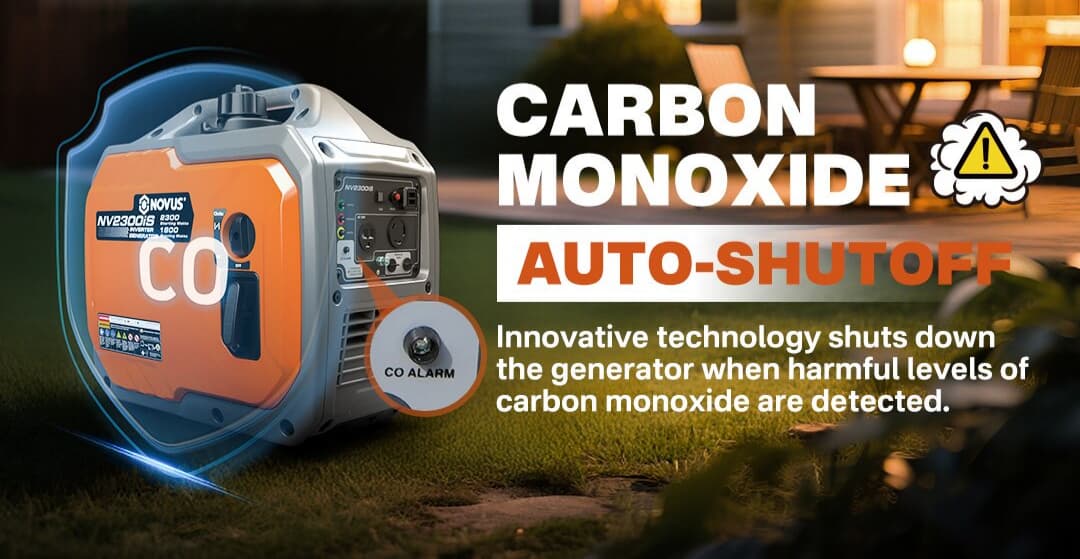
- Install carbon monoxide detectors on every floor of your home and test them before hurricane season. Or consider a generator with a CO sensor before purchasing.
- Utilize the transfer switch. Never plug a generator directly into an outlet on the wall. Backfeeding can cause electric shock to utility workers. Install a licensed electrician the transfer switch prior to the storm season.
During and After the Storm
During the outage:
Prioritize medical equipment and refrigeration first, then lighting and communication devices.
Start the generator before plugging in appliances — connect them one at a time.
Never let the tank run to empty under load; refuel before it drops below one-quarter.
Always let the engine cool for at least 5 minutes before adding fuel.
After power is restored:
Turn off the generator before switching back to utility power.
Drain the fuel or add stabilizer if storing for more than 30 days.
Check oil, clean the unit, and note any issues for next season’s maintenance log.
Quick Pre-Season Generator Checklist
| Task | Timing |
| Run load test | Every month, but before June 1 |
| Check/change oil | In the summer, every 50-100 hours |
| Replace the air filter and spark plug | Annually |
| Fuel stock and stabilization | Before June 1 |
| Test CO detectors | Before June 1 |
| Verify that the transfer switch has been installed | The season before |
| Standby generators are scheduled to be on standby. | April-May |
Start Preparing Now
The best time to prepare your generator is before a storm is ever named. A few hours of maintenance and a tank of stabilized fuel could mean the difference between a manageable outage and a dangerous one.
Check your generator this weekend. Stock your fuel before Memorial Day. Be ready before June 1.
For real-time hurricane tracking and emergency resources, visit ready.gov.


Leave feedback about this