

The snow on the deck needs immediate removal because it will create a dangerous situation when it starts to accumulate beyond control. A snow blower serves as an effective snow removal solution that people use during the winter season. Decks differ from driveways and sidewalks because their construction materials consist of wood and composite materials which make them more vulnerable to damage. Homeowners hesitate to snow blower usage on their decks because of their safety concerns. They wonder if doing so will scratch, crack or wear down the terrace surface.
Homeowners can operate snow blowers on their decks. Homeowners must first learn about their deck’s particular features before they can select their most suitable snow blower equipment.
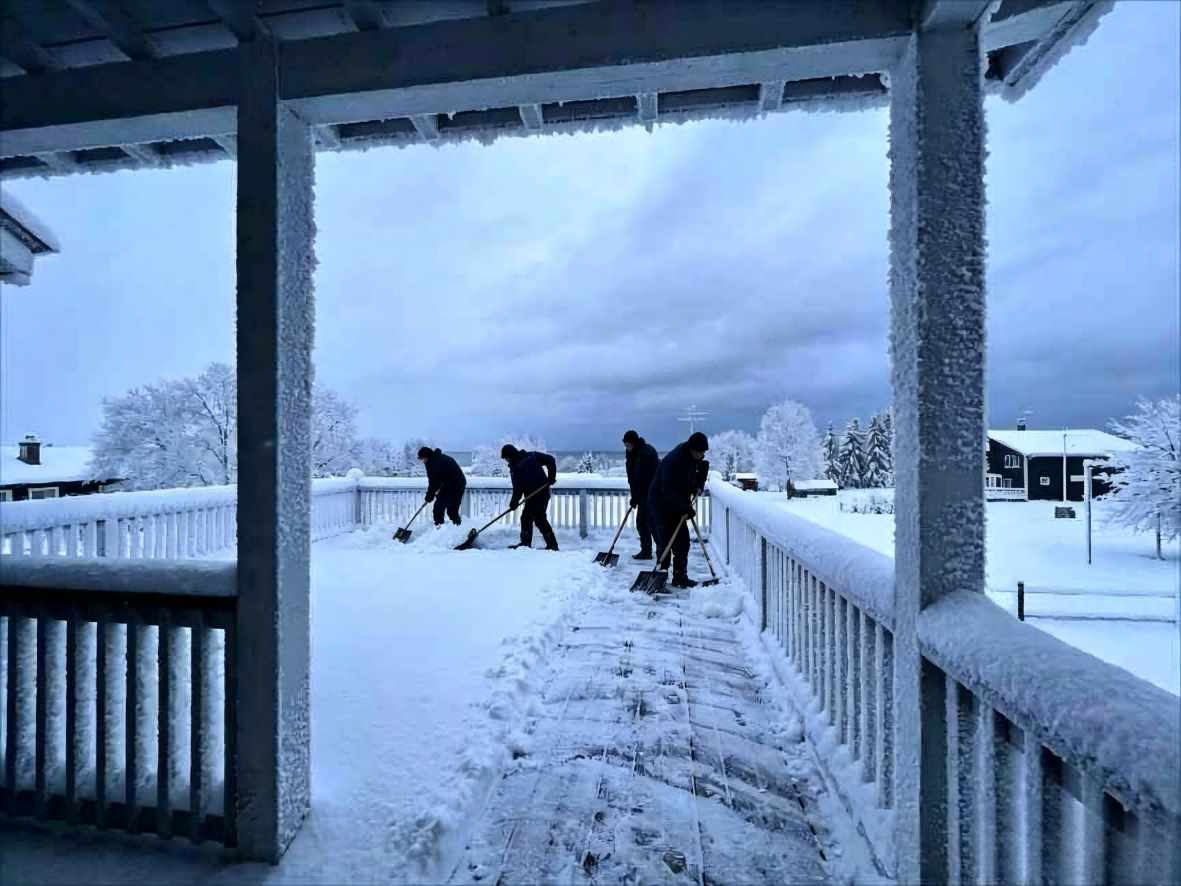
Is It Safe to Use a Snow Blower on a Deck?
Yes, it is safe to use a snow blower on a deck—but under the right conditions. There is a significant difference between using a snow blower on a deck compared to using it on a concrete or asphalt surface.
Surface Materials Are More Delicate
Typically, decks are made from pressure-treated wood, hardwood, or composite material. These can be scratched or gouged if a snow blower’s scraper or augurs make direct contact. Unlike concrete, even small scratches can eventually become noticeable damage.
This does not mean that snow blowers are to be avoided. It means that a snow blower must be used with minimal surface contact and pressure, and this is precisely why smaller residential snow blowers are designed for use.
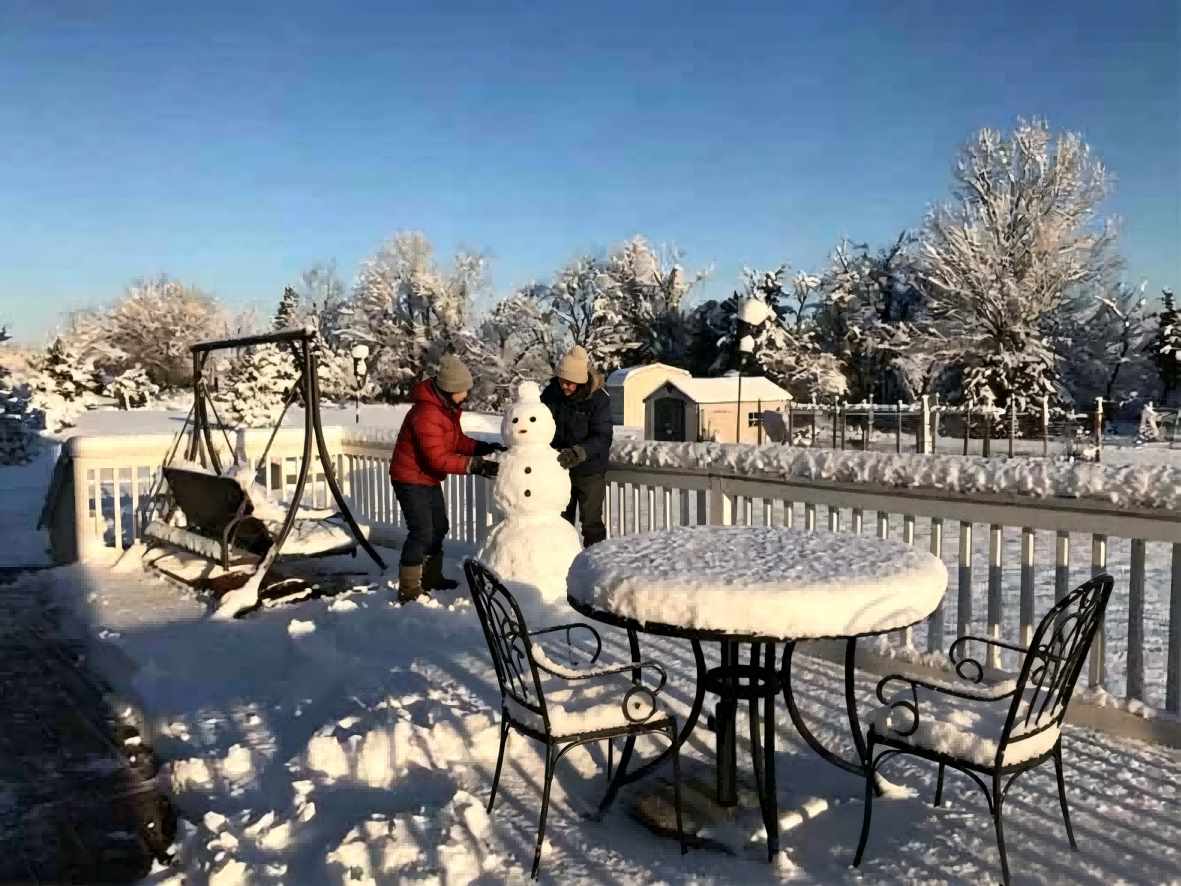
Limited Space and Obstacles
Decks are usually confined spaces. Railings, stairs, furniture, planters, and grills all cut down on maneuvering space. The larger snow blowers used on driveways can be cumbersome in such areas, raising the possibility of accidental contact or uneven snow removal.
A smaller snow blower provides greater control and visibility, which is particularly important when operating near railings or edges.
Higher Slip Risk
The deck surface can become slippery in a matter of seconds. Snow that has been partially cleared and then compacted can become ice, which can make the deck a hazardous place to walk. Snow blowing that has not been done properly, such as blowing the snow back onto an already cleared area, can also make the deck a hazardous place to walk.
The above factors help to illustrate the point that the way you snow blow a deck is just as important as whether or not you use a snow blower.
How to Safely Snow Blow a Deck Without Damaging the Surface
One of the most effective ways of learning the correct way of clearing deck snow is to observe the process. The video above provides a practical example of the way to use a snow blower on deck without damaging the wood.
The following are the key takeaways that match best practices:
- Minimize surface contact: The operator maintains the snow blower slightly elevated and does not drag the scraper bar directly on the deck surface. This will prevent scratches or gouges, which are prevalent when improper pressure is applied.
- Control the snow discharge: Directing the chute to a safe place ensures that the snow does not accumulate again on the deck or near the railings. In addition, controlling the snow discharge also ensures that it does not accumulate near walkways, thereby reducing the chances of ice buildup, which could lead to slips.
- Move in slow, deliberate passes: Rather than trying to clear all the items at once, it is better to control your movements and make smaller adjustments. This way, it is easier to avoid mistakes and minimize the sudden impact on the deck surface.
Best Snow Blower for Decks: Suitable Options for Residential Use
The selection of appropriate machines stands as the primary factor that protects decks from damage. The small snow blower built specifically for decks proves to be more effective and safer than the standard snow blower which operates at full size.
Residential areas require compact snow blowers because these machines provide better handling and operate at lighter weight while their design meets the need for exacting work. The products allow users to control both clearing depth and direction, which makes them suitable for use on decks, porches, and elevated platforms.
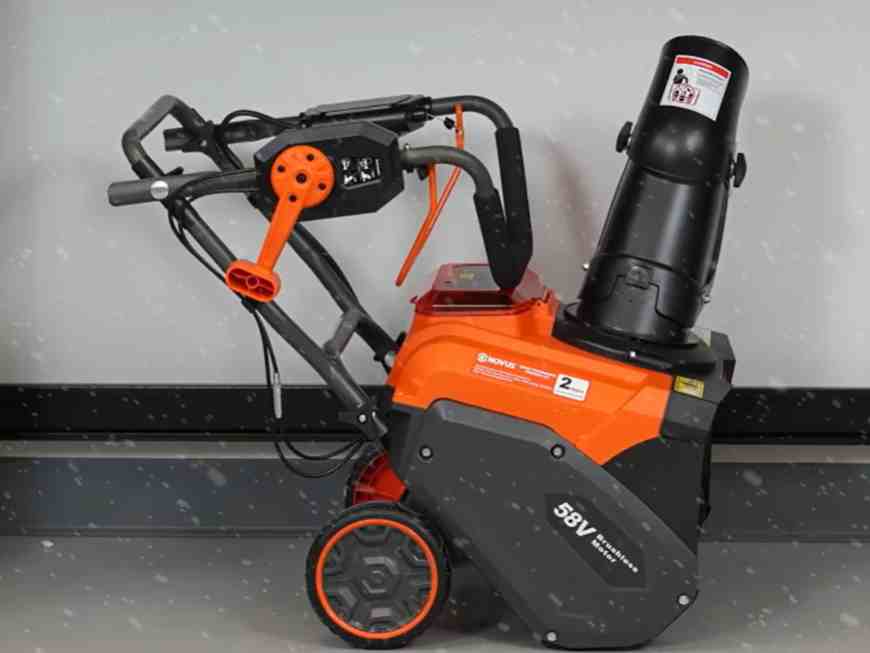
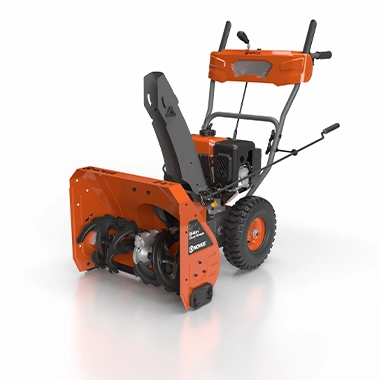
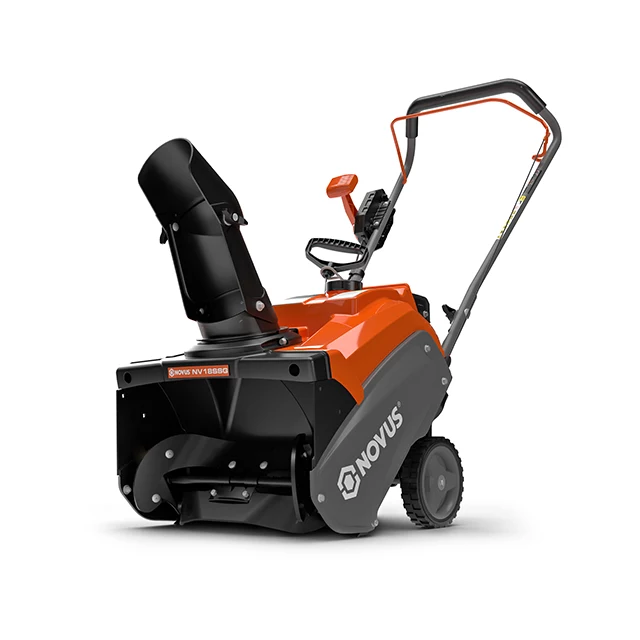
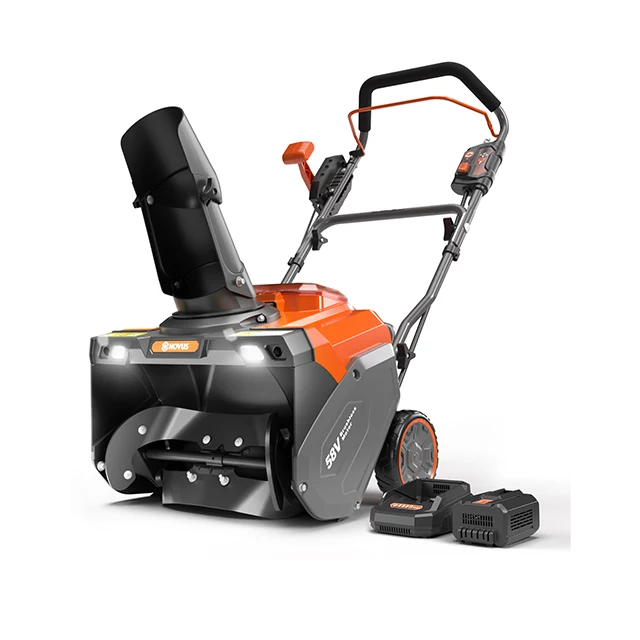
Single-stage snow blowers are generally a better fit for deck use than two-stage models. They operate with less force, are easier to handle in tight spaces, and reduce the risk of surface contact. Electric or cordless designs are especially popular for decks because they offer quieter operation and require less maintenance.
Among the many suitable options, compact home snow blowers designed specifically for small spaces stand out. For example, the NOVUS electric cordless snow blower, with its lightweight construction and controllable snow removal performance, is ideal for environments such as patios where ground protection is crucial.
For more Cordless Snow Blowers brand and product model recommendations, you can click here.
Alternative Tools: When a Snow Blower Is NOT the Best Choice
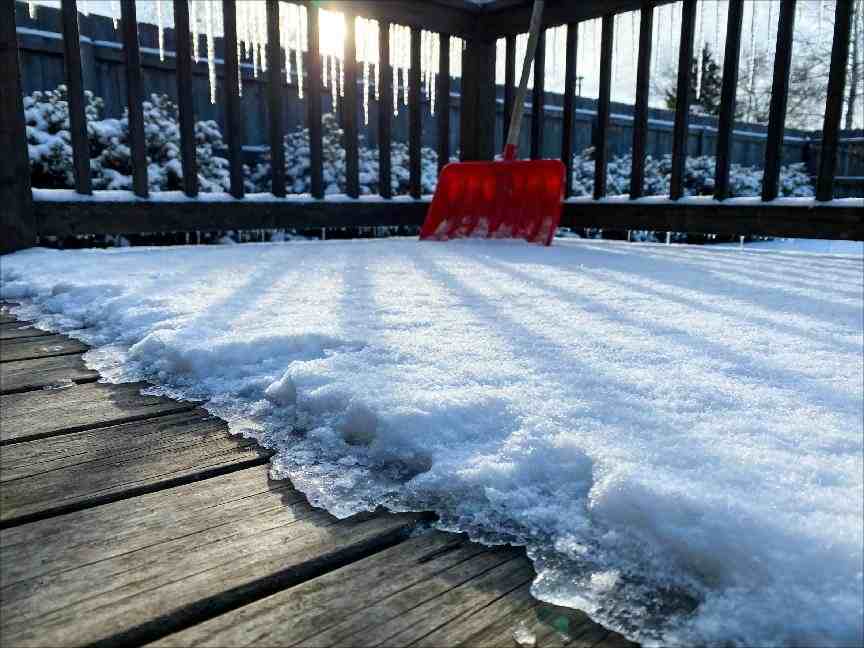
Although snow blowers are efficient for regular snowfall, there are situations where other equipment would make more sense.
For light snowfall, a snow broom or push broom may clear the deck efficiently without the need to make contact with the snow. Thin ice layers are best removed with a plastic ice scraper and not with a snow blower.
For snowfall, once the accumulation becomes regular or heavy, the best equipment for efficiently and least physically demanding snow removal on the deck would still be the snow blower of the correct size.
Final Thoughts
Snow blowing a deck requires a different mindset than clearing a driveway. The surface requires more delicate handling because there is restricted space and safety requirements take higher priority.
Homeowners can use a small snow blower for decks as an effective snow clearing tool when they operate it with proper control. By understanding when to use a snow blower—and when to choose alternative tools—you can keep your deck safe, clean, and ready for winter use.


Leave feedback about this