

Portable inverter generators have become an indispensable traveling companion for campers these days. Be it a portable fridge, a digital camera, an air bed, or necessary illumination accessories, an inverter generator will be able to deliver clean and stable energy at locations that have no electricity. But it should be noted that operating a generator in a camp setup and operating it at home will be two completely different experiences. The weather at a camp might be totally unexpected, and working within a limited area will be an added challenge.
So, how do we properly use an inverter generator at camp so that we get maximum efficiency and safety? To address your questions and help you get better insights and steps on camp usage tips and more, we will be covering that below.
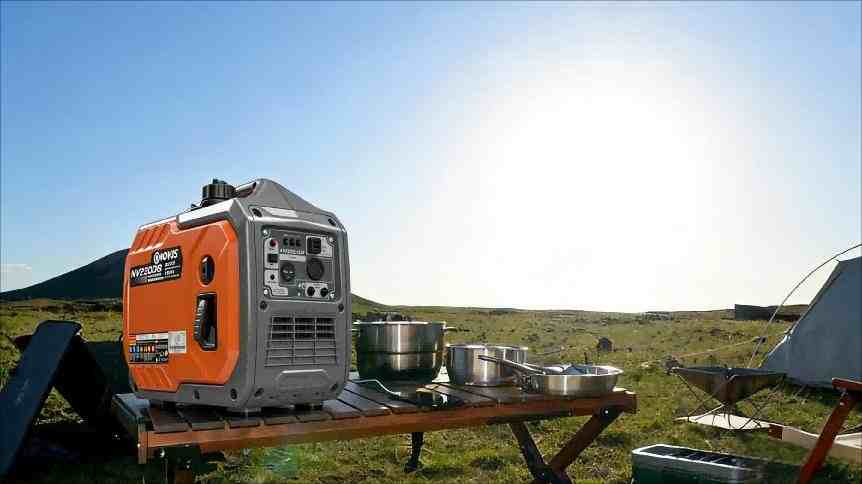
Why an Inverter Generator Is Ideal for Camping and Outdoor Activities
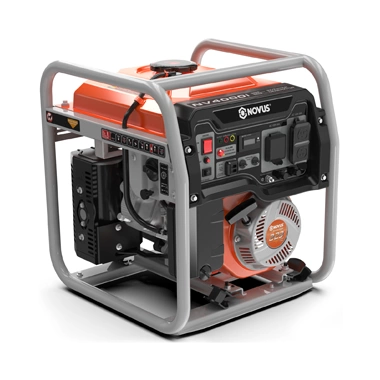
Not all generators are suitable for outdoor leisure use. Traditional open-type generators are usually noisy, heavy and the output power is unstable. Inverter generators, on the other hand, are specially designed for portability and protection of precision electronic equipment, making them an ideal choice for camping.
Quiet Operation for Campgrounds
Most campsites have noise restrictions, especially during the “quiet period” at night. The inverter generator adopts a closed body, an optimized muffler and intelligent throttling technology, which can significantly reduce noise. Compared with traditional generators, they are more suitable for use in camps.
Clean Power for Sensitive Electronics
Outdoor enthusiasts rely on devices such as drones, cameras, laptops, GPS devices, speakers and ventilators, all of which require a stable power supply. Inverter generators can produce low total harmonic distortion (THD) power similar to that of mains electricity, ensuring the safety of your electronic devices.
Compact, Lightweight, and Fuel-Efficient
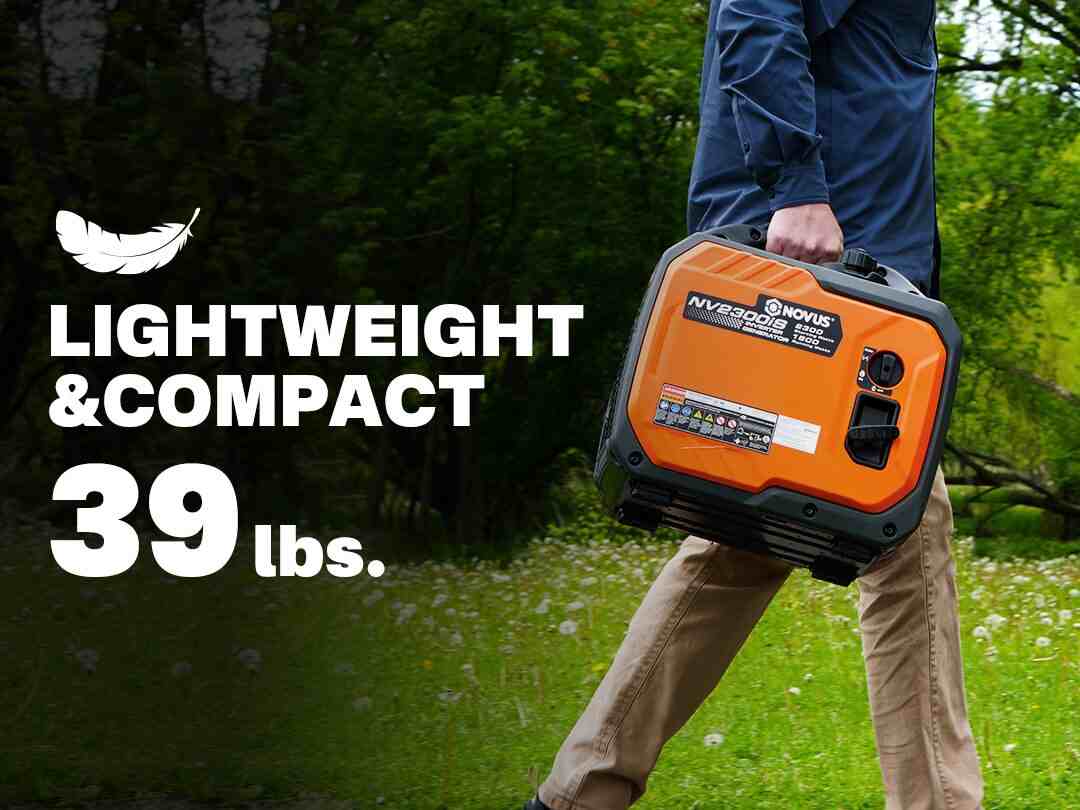
Their portability is highly suitable for campsites where generators are moved on uneven ground. The energy-saving mode can adjust the engine output power as needed, improve fuel efficiency and extend operating time – which is crucial for multi-day camping trips.
Provide Reliable Power Anytime and Anywhere
Whether you are camping by car, going on an off-road trip or spending the weekend in the mountains, inverter generators can enable you to enjoy the necessary comfort experience without sacrificing safety and convenience.
For information on how to select a suitable portable silent inverter for outdoor camping, you can refer to this article: How to Choose a Quiet Portable Generator for Camping?
Key Outdoor Hazards and Safety Principles for Campsite Generator Use
Nature poses some specific safety factors that are not as overt as they are within homes. Awareness about these factors will help mitigate accidents, safeguard the safety of parties going camping, and protect the natural surroundings.
Carbon Monoxide (CO) Exposure in Semi-Open Areas
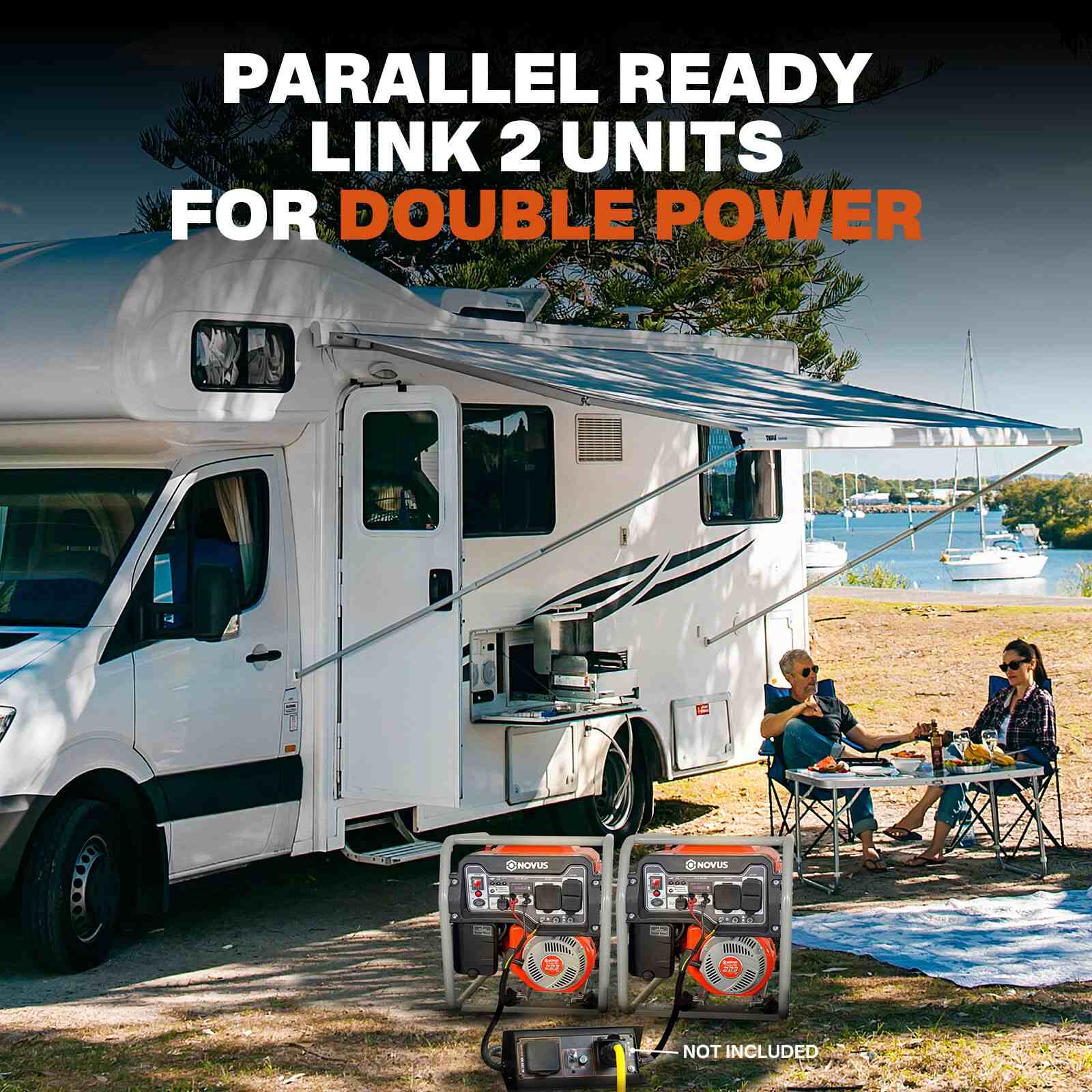
Although it will be an outdoor camp site, the Carbon Dioxide emitted from the generator will still build up in a closed or shaded area. Examples of some common wrong locations include:
- Inside the tent or in the foyer
- The RV
- Under the awning of the RV
- Inside the porch with a screen window
- Behind windbreaks or shrublands
Do not forget to position it within an area that will be well-ventilated and exposed. Also, turn the exhaust tube away from approaching tents, people, and pets. Should it be located near your RV, make sure it will not let out its carbon monoxide into sleeping individuals.
Weather and Moisture Hazards
Typical conditions at campsites include unexpected rain, morning dew, and wet earth. Operating a generator under humid conditions can result in electrocution or damage.
The basic rules are as follows:
- Never operate an uncovered generator in wet weather.
- Also, if the ground is muddy, it would be appropriate to elevate the generator slightly.
- Use a Ventilated Awning or Generator Tent
- Ensure that all electrical connections are maintained at a distance from the ground.
Damp conditions are among the most common causes of generator failure while on a camping adventure.
Fire Risks in Dry or Forested Areas
Camp sites have safety rules, particularly regarding fire, especially during summer. It works at a very high temperature. Dry leaves or grass below it may catch fire if it is not set up properly.
To reduce risk of fire
- Leaves, pine needles, and dry materials should be removed within a radius of 1 meter.
- Store gasoline away from bonfire and stoves
- Do not ever add fuel into a generator operating at a high temperature.
- Obey local regulations on fire prevention during the dry season
Observance of wildfire safety regulations not only serves as an act of responsibility but also goes on to safeguard the entire ecosystem.
Campground Crowding and People Movement

Children and pets are also sometimes roaming about within the camp. Improperly positioned or exposed cables have been known to act as tripping hazards. It is vital to consider activities within and around the camp while selecting the position for placing the generator.
Setting Up and Operating Your Generator Properly in a Campsite
Safe operation starts with thoughtful placement and proper setup. Unlike home environments, outdoor spaces require more deliberate preparation.
1. Choosing the Right Spot
The ideal generator location should be:
- at least 15–20 feet away from tents, RVs, and cooking areas
- downwind, so exhaust does not blow toward living spaces
- on stable, level ground to prevent tipping
- in a ventilated but sheltered area, if rain is expected
- away from footpaths, especially at night
Good placement reduces noise disturbance, prevents fumes from reaching your sleeping area, and minimizes safety risks.
2. Managing Noise and Being a Considerate Camper
Even quiet inverter generators can disturb neighboring campsites during late hours. To reduce the impact:
- run it only during permitted quiet-hour windows
- switch to eco-mode when load is low
- position the generator behind natural barriers like rocks or hills
- avoid operating high-demand appliances at night
- Respect for others is part of responsible camping.
3. Cable Safety and Trip Prevention
Extension cords become hidden hazards in dimly lit campsites. Use the following tips:
- choose outdoor-rated, bright-colored cables
- avoid routing cables across walking paths
- elevate connectors using hooks, stones, or small plastic stands
- protect cables from water accumulation
These simple steps prevent injuries and protect your equipment.
4. Weather Protection Without Restricting Ventilation
Many campers mistakenly cover their generators with tarps, which blocks airflow and becomes dangerous. Instead, use:
- a generator-specific rain tent
- a canopy with open sides
- a ventilated protective enclosure
Ensure hot exhaust has enough space to dissipate safely.
5. Safe Refueling in Outdoor Settings
Refueling requires extra caution outdoors where uneven terrain and open flames are common.
Best practices include:
- turn off the generator and let it cool for 5–10 minutes
- refuel in open space away from grills, lanterns, and campfires
- use approved fuel containers
- wipe up spills immediately
- avoid smoking or cooking nearby
Fuel safety is a top priority in the wilderness.
Managing Power Demand for Outdoor Electronics

Camping setups often combine sensitive electronics with small appliances, so proper load management is essential.
Estimate Your Power Requirements
Common camping device wattages include:
| Device / Appliance | Typical Power Consumption |
| Portable fridge | 60–100 W |
| Electric kettle | 800–1200 W |
| Coffee maker | 600–1000 W |
| Rice cooker | 300–700 W |
| Drone or camera charger | 20–60 W |
| CPAP machine | 30–60 W |
Check whether your generator can handle the starting wattage of appliances like kettles and cookers.
Protecting Sensitive Devices
Even with clean inverter power, extra protection helps:
- use surge-protected power strips
- avoid daisy-chaining multiple cables
- keep chargers elevated and away from moisture
- charge electronics during daytime for safety and visibility
Avoiding Overload
A small generator can handle only a limited amount of wattage. Always turn on high-demand devices one at a time and shut off unnecessary appliances before starting a power-hungry one.
Camping Generator Safety Checklist

Before Starting
- Check oil and fuel level
- Inspect air filter and spark plug
- Prepare waterproof cover or canopy
- Clear flammable debris from the area
- Place generator downwind from tents and people
During Operation
- Keep children and pets away
- Do not run inside tents, RV garages, or porches
- Use outdoor-rated extension cords
- Watch for rising noise or abnormal vibration
- Shut down before refueling
- Avoid running the generator all night unless necessary
After Use
- Allow engine to cool
- Pack cables neatly
- Store fuel in approved containers
- Wipe away dust or moisture
- Transport generator upright
A simple checklist helps ensure repeated safe use every time you go camping.
Summary
Inverter generators provide clean and stable power for lighting, cooking and electronic devices, making outdoor camping more comfortable and enjoyable. However, when using inverter generators in the wild, safety should be the core. From equipment selection, placement, operation to emergency handling, the entire process should follow the norms. By planning ahead, conducting regular inspections and abiding by regulations, one can not only enjoy the convenience of electricity but also ensure the safety and peace of mind of the event.


Leave feedback about this