

When it comes to self-driving camping, the main concerns for everyone are the battery life and charging issues of electronic devices. Especially when traveling to remote areas without power support, only by carrying on-board power generation equipment can one solve these worries. Currently, the relatively mature ways to power various electronic devices and household appliances outdoors are: inverter generators and portable power stations.
Which option to choose is not solely determined by price or brand. This article will compare inverter generators and portable power stations from the perspective of actual off-road camping, to help you understand which option is more suitable for your camping style, duration of trip and equipment configuration.

What Is a Portable Power Station?
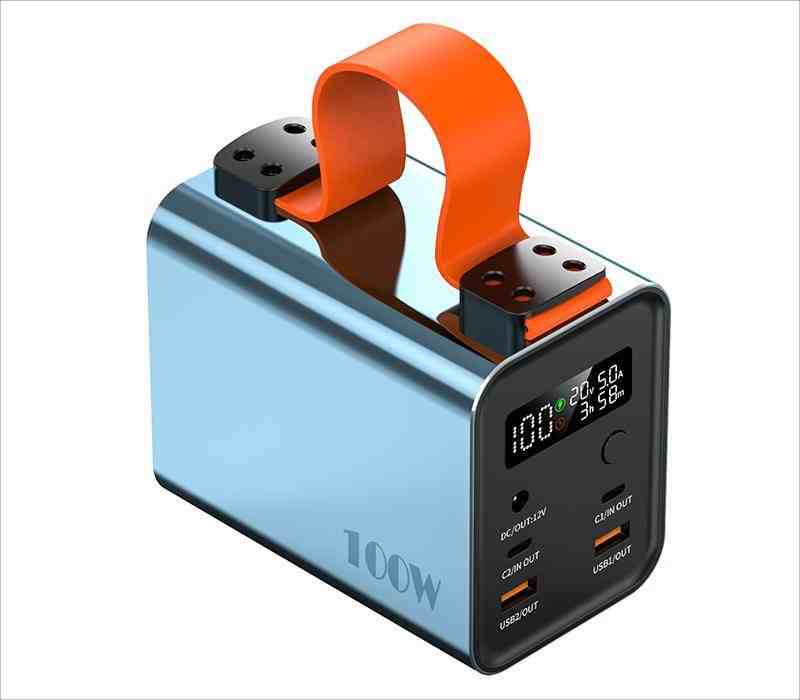
A portable power station is an energy storage device based on the principle of rechargeable batteries and is provided with an AC socket, a USB port, and a DC outlet. It is not a source that produces energy through the burning of fuel. It is based on a lithium battery that stores energy.
The portable power source has lithium-ion batteries or lead-acid battery packs to store electric power. The power source has an inverter to convert DC power to AC power. This enables a power source to power household devices. Most power sources can charge their batteries through various means, including plugs, car charging ports, and solar panels.
Advantages
Portable power sources are highly favored by modern campers due to their extremely easy-to-use design. They operate quietly, produce zero emissions, and require almost no maintenance. Many campers also appreciate their solar charging function, making them an ideal choice for environmentally friendly outdoor equipment.
Another major advantage of portable power stations is safety. Due to the absence of combustion or exhaust gas, such power stations may be used within tents, vehicles, and other enclosed camping shelters.
Disadvantages
The biggest constraint is the limitations of the batteries. After the batteries are used up, they have to be recharged, which might take a few hours depending on how it is done. The power stations are also quite expensive, as opposed to gas generators. They are not well-suited for use with heating equipment and air conditioners due to the amount of power required by such units.
Typical Car Camping Uses
Portable power stations are highly suitable for charging electronic devices, operating portable refrigerators, powering lighting fixtures, running fans, and supplying power to small kitchen appliances such as electric kettles or small rice cookers.
What Is an Inverter Generator?
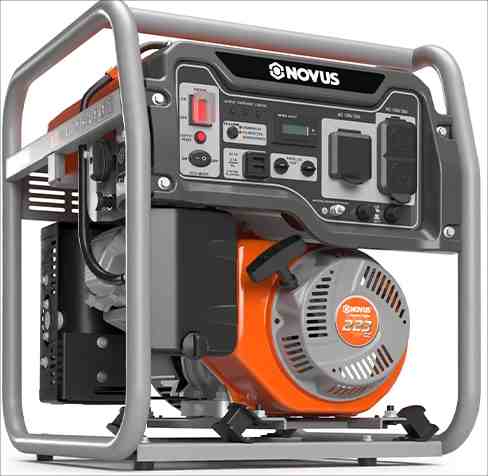
An inverter generator is a fuel-powered power generator that produces electricity through combustion and then stabilizes the output using inverter technology. Compared to traditional generators, inverter generators provide cleaner, more stable electricity suitable for sensitive electronics.
Fuel such as gasoline or propane powers the internal combustion engine. The internal combustion engine drives the generator to produce electricity. The inverter system then converts and stabilizes the output electricity, making it suitable for devices such as laptops, cameras and modern household appliances.
Advantages
The biggest strong point in inverter generators is power output and runtime. As long as the fuel supply is there, the generator can keep running. They can also handle very high startup loads from appliances such as electric cooking equipment and RV air conditioners.
Inverter generators usually possess better overall reliability for campers who have to run many appliances all at the same time.
Disadvantages
The main drawbacks include noise, exhaust emissions and maintenance requirements. Even the quietest inverter generators will produce some noise, especially at night. Moreover, due to the risk of carbon monoxide poisoning, they must be used outdoors. Users also have to manage fuel storage and perform regular maintenance, such as changing the engine oil.
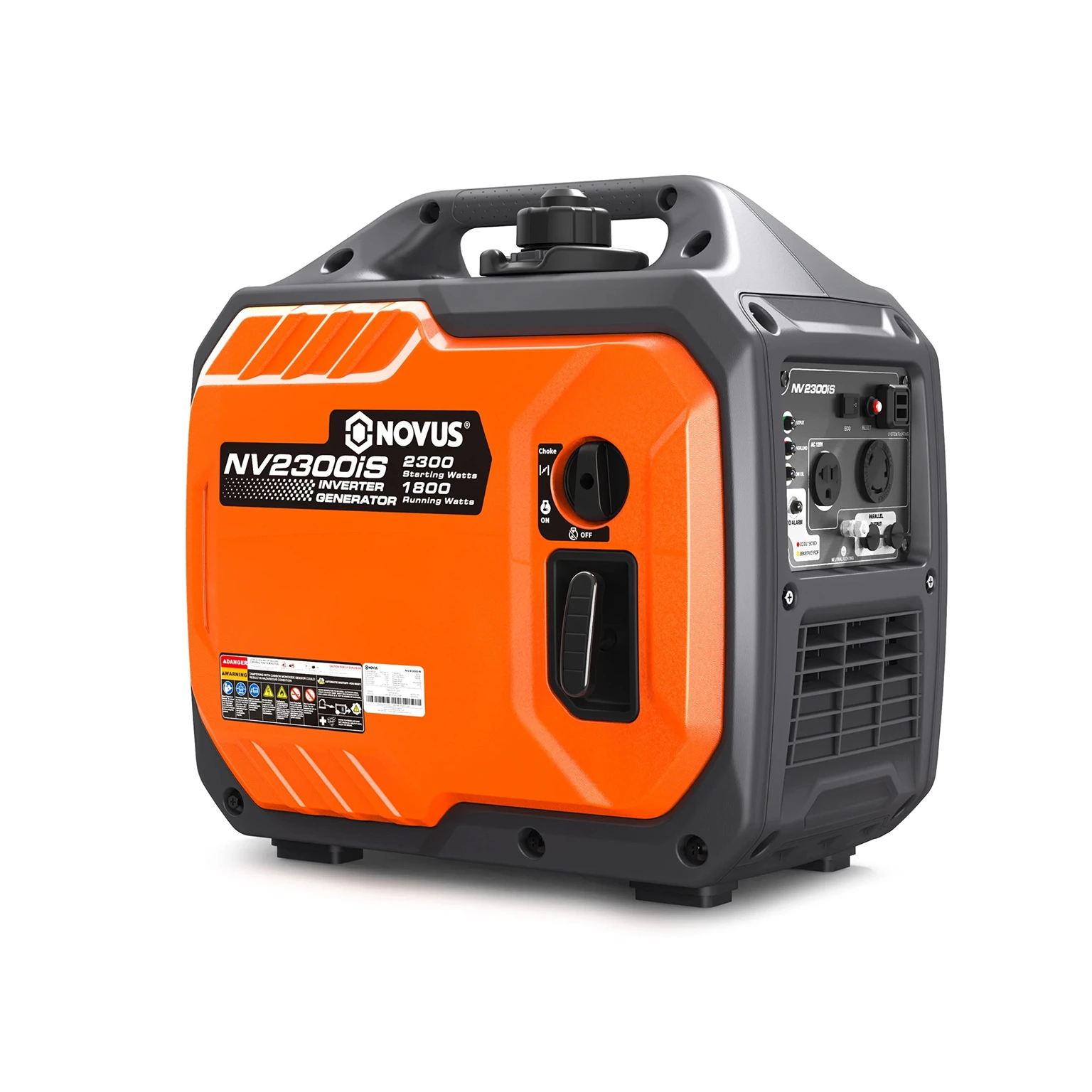
It is precisely to address the shortcomings of the aforementioned traditional inverter generators that NOVUS has specially designed a portable, clean and safe inverter generator with a CO Sensor. Our advanced and feature-rich power solution includes silent technology, extended runtime, energy-saving mode and clean energy.
Typical Car Camping Uses
Inverter generators are commonly used in RV power systems, electric stoves, power tools, and for long-term off-grid camping situations.
Portable Power Station vs Inverter Generator: Key Differences for Car Camping
| Feature | Portable Power Station | Inverter Generator |
| Noise Level | Silent | Low but noticeable |
| Runtime | Battery limited | Unlimited with fuel |
| Power Output | Medium | High |
| Indoor Safety | Safe | Outdoor use only |
| Maintenance | Minimal | Requires servicing |
| Startup | Instant | Requires fueling and starting |
For many self-driving campers, the most obvious difference lies in the noise. Portable power stations can offer a completely silent camping experience, while inverter generators, although having greater power, also produce louder noise during operation.
Another major difference is the running time. The running time of the battery system is limited by the stored electricity, while the generator can keep running as long as it is refueled. The best choice usually depends on whether you prioritize comfort and convenience, or whether you value power and range more.
Which Is Better for Camping?
The best solution depends on your camping method, the equipment you carry, and the duration of your off-grid camping.
Weekend and Casual Car Camping
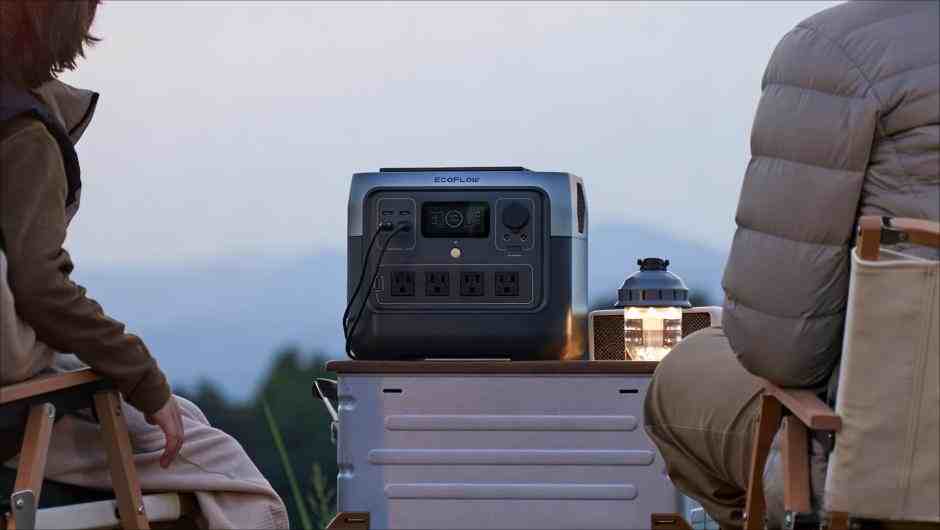
For short trips, staying one to three nights, portable power stations are commonly considered the best solution. For the average car camper, lights, charging devices, and running the portable fridge are about all the power required. For these purposes, the quiet operation of the battery system helps to make the camping experience much better.
Portable power stations also eliminate the need to deal with fuels, making them ideal for new campers and family trips.
RV or Van Life Car Camping
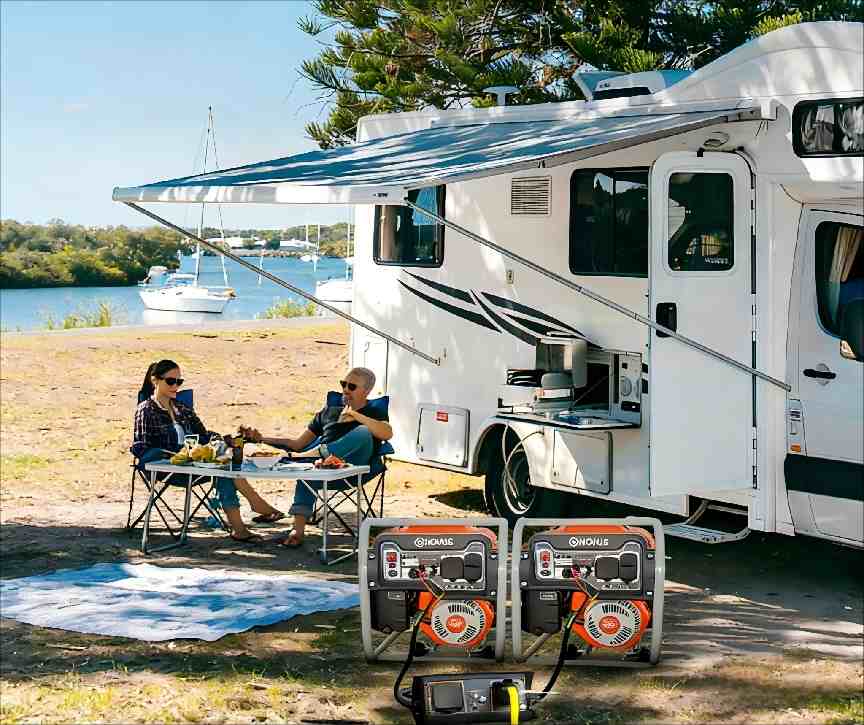
If your car camping setup is more like an RV living scenario, inverter generators may be a better option. Air conditioners, electric cooktops, and running multiple appliances require a higher continuous wattage output than a battery pack can deliver.
In addition, it permits a lifewithout waiting hours for battery recharging.
Multi-Day Remote Off-Grid Car Camping
For long trips into the wilderness, many experienced campers are using both technologies. Generators are good for heavy usage during the day, while silent running is available with a portable station.
The hybrid system seems to be gaining popularity among overlanders and adventure travel professionals.
Minimalist or Solo Car Camping
Camper who want light equipment and basic electrical supply may consider using portable power station equipment. If you only need to supply power to electronics, lights, or a little fridge, then battery supply would work.
High-Power Cooking and Heavy Equipment Camping
If your outdoor setup has electric grills, induction cooking, or substantial heating devices, inverter generators provide more reliable power. In fact, most of these appliances have high startup wattage requirements that a battery system simply can’t keep up with.
Final Verdict
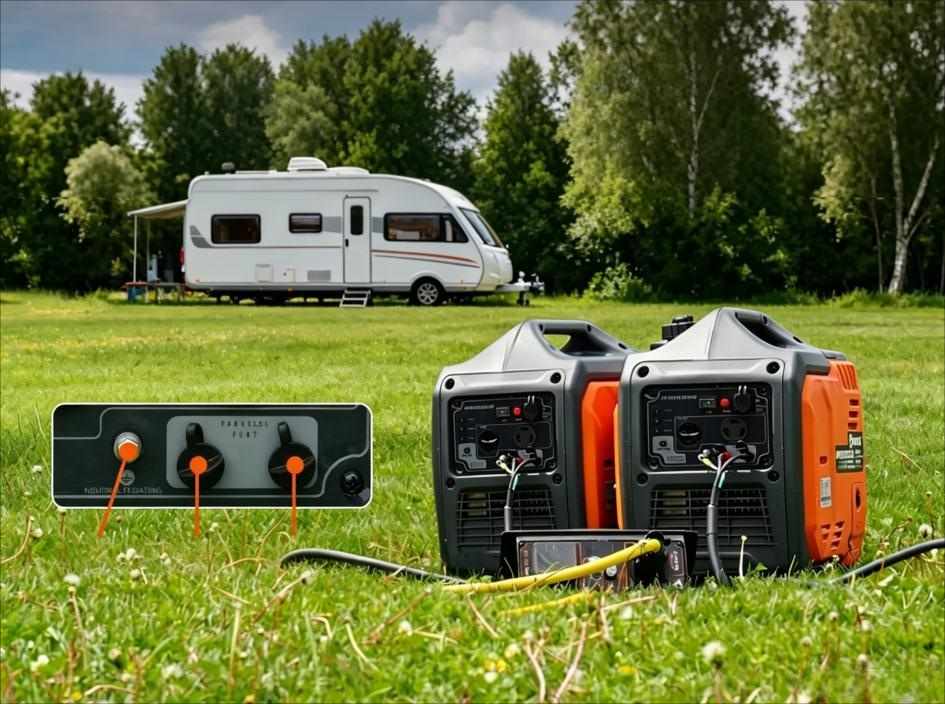
For most modern self-driving camping scenarios, portable power stations offer the best balance of convenience, safety and silent operation. They are ideal choices for weekend trips, family camping and lightweight travel.
However, for high-power appliances, long-term off-grid travel, and recreational vehicle camping equipment with extremely demanding requirements for operating time and power output, inverter generators remain the best choice.
For experienced outdoor enthusiasts, combining the two systems is the best overall solution, as it ensures silent operation at night while also providing unlimited daytime power as needed.


Leave feedback about this