

Over time, dust, mold, algae, or air pollutants will build up on house siding. For many homeowners, the first question is both simple and important: Is it safe to use a pressure washer for house siding?
Well, in short, the answer is yes, but only if done correctly. Siding materials will respond in very different ways when exposed to water pressure, spray direction, or cleaning method. A method used for vinyl siding could potentially damage wood siding, while fiber cement siding falls in between.
Let’s explore how to match the right pressure washer model and pressure for different siding materials.
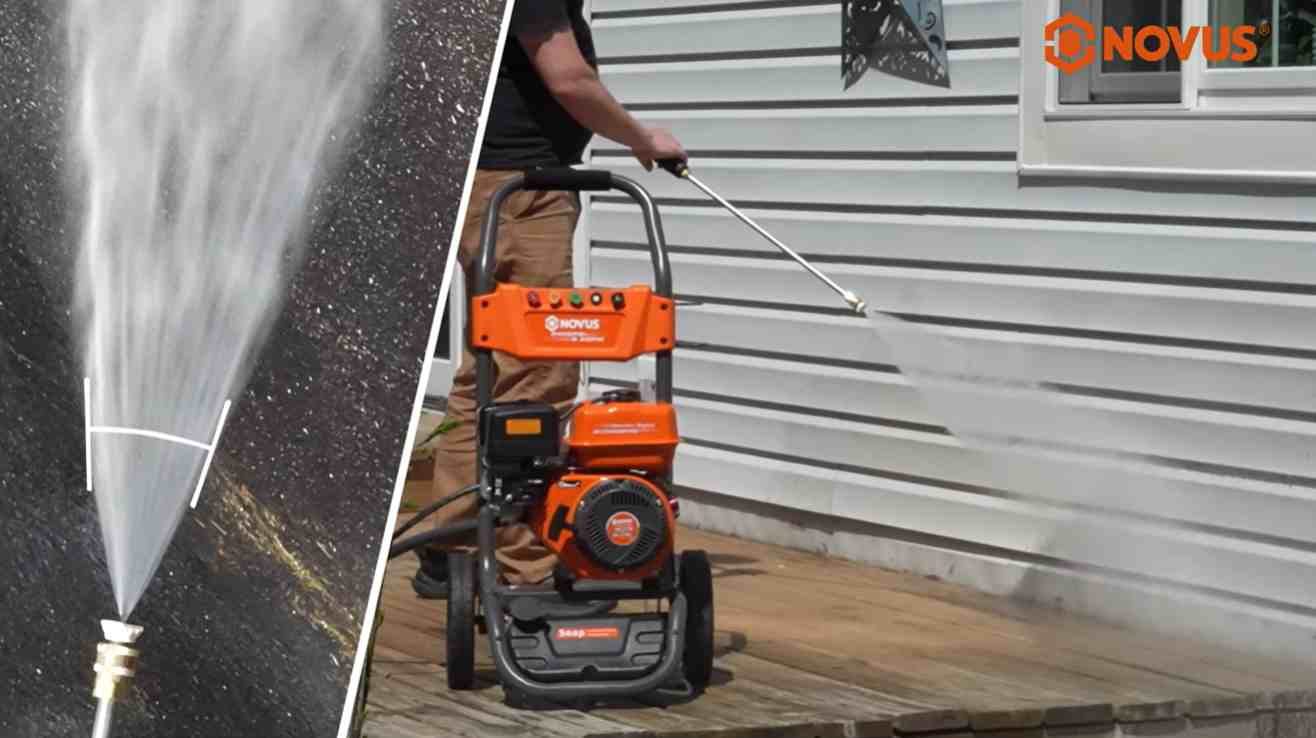
Can You Use a Pressure Washer on House Siding?
Yes, a pressure washer can be used on most siding on a house, but safety is a function not of the power washer but of its operation.
Many owners are concerned that pressure washing may cause panels to crack, paint to peel, and water to get behind the siding. These issues are most likely a result of improper use and application that can be prevented by following the proper procedures in using a pressure washer that could be the most effective means of cleaning homes.
However, the one principle that is always applicable is:
Power washing siding has nothing to do with maximum power usage, but controlled cleaning.
For effective high-pressure cleaning to be carried out, it is necessary to have knowledge regarding the behavior of materials used for constructing exterior walls when subjected to water pressure.
How to Pressure Wash Different Types of Siding Safely
The following highlights a detailed explanation regarding the most popular materials used in exterior walls in residential buildings:
Pressure Washer for Vinyl Siding: What You Need to Know

Vinyl siding is one of the most pressure-washer-friendly exterior materials, which makes it extremely popular among homeowners.
What to Watch Out for
- Spraying too close can loosen panels
- Direct upward spraying can force water behind the siding
- Narrow spray patterns increase the risk of damage
Safe Pressure Washing Approach
- Use low to moderate pressure
- Ensure a safe distance from the surface
- Spray at a downward angle, following the direction of the panels
The vinyl siding is well-suited to the constant flow of water as opposed to the powerful and intense bursts of water. Mold and mildew can be washed off without the need for excessive pressure.
A pressure washer for vinyl siding should prioritize control and consistency, not raw power.
Using a Pressure Washer on Wood Siding

Wood siding requires a more cautious approach. While it can be pressure washed, it is far less forgiving than vinyl.
Key risks with wood siding
- Surface fiber damage
- Paint stripping
- Moisture penetration into the wood grain
Best practices
- Use lower pressure than you would for vinyl
- Keep the spray moving—never linger on one spot
- Maintain greater distance from the surface
- Always test in a small, hidden area first
Wood siding responds well to gentle cleaning methods that will remove dirt but not saturate or damage the wood. Often, multiple cleanings will prove much safer for the wood than a heavy Cleaning cycle.
For homes with older wood siding, pressure washing should be approached as a maintenance process, not a deep restoration method.
Pressure Washing Fiber Cement Siding

Fiber cement siding is known for its durability and weather resistance, making it more tolerant of pressure washing than wood.
What makes fiber cement different
- Harder surface than wood
- More stable than vinyl
- Still vulnerable at seams, joints, and edges
Recommended approach
- Use moderate, controlled pressure
- Avoid spraying directly into seams or overlaps
- Keep a consistent spray angle
Fiber cement siding is ideal for homeowners who want efficient exterior cleaning without constant worry about surface damage—as long as pressure remains controlled.
General Tips to Avoid Damage When Pressure Washing Siding
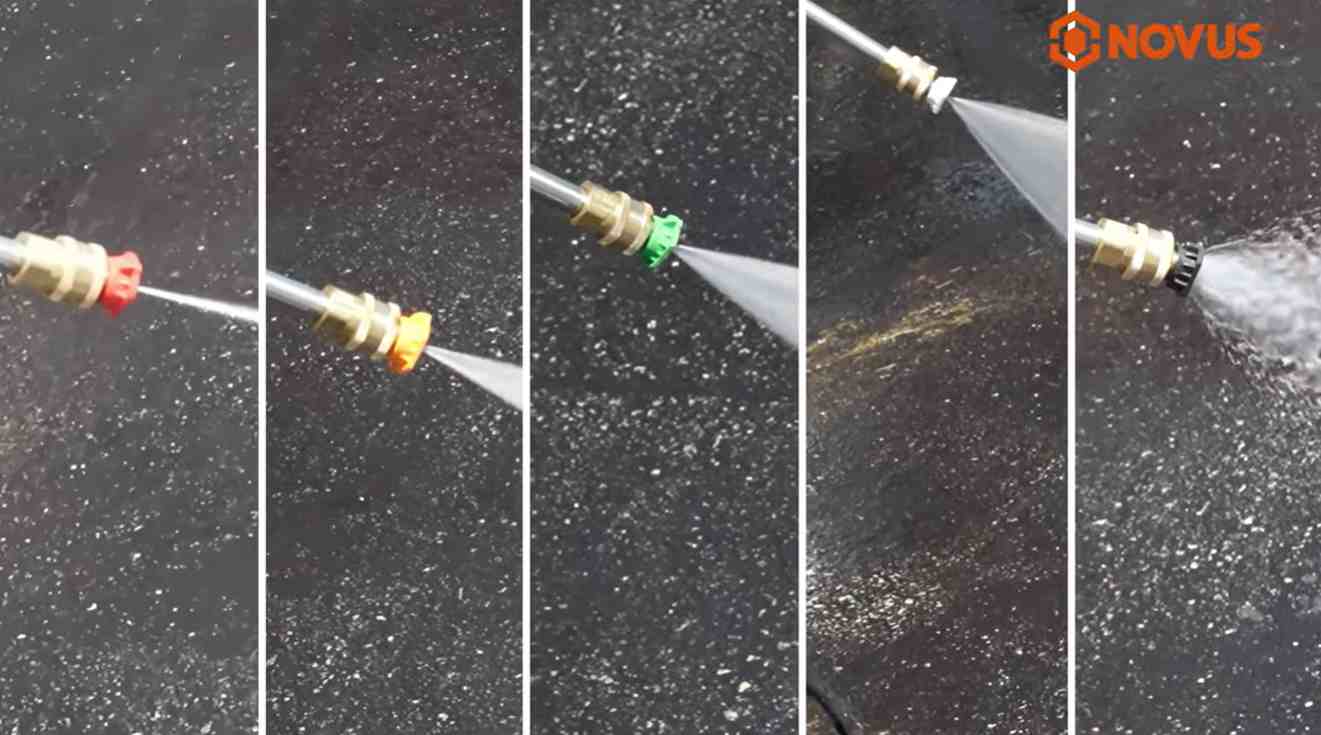
No matter what type of siding you have, these universal guidelines will significantly reduce the risk of damage:
- Never spray straight upward into siding seams
- Avoid holding the spray too close to the surface
- Use wide spray patterns instead of narrow jets
- Clean in sections rather than rushing the entire house
- Let water flow do the work—don’t force it
A safe pressure washer for siding is defined not by its maximum output, but by how precisely you can control that output during real use.
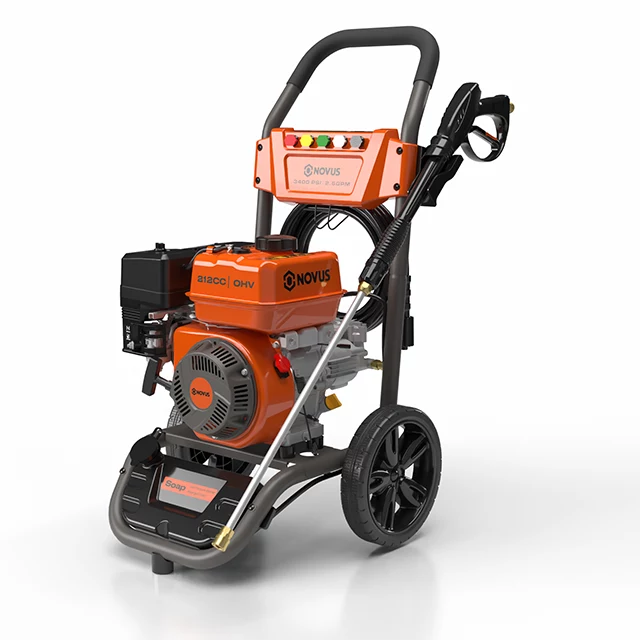
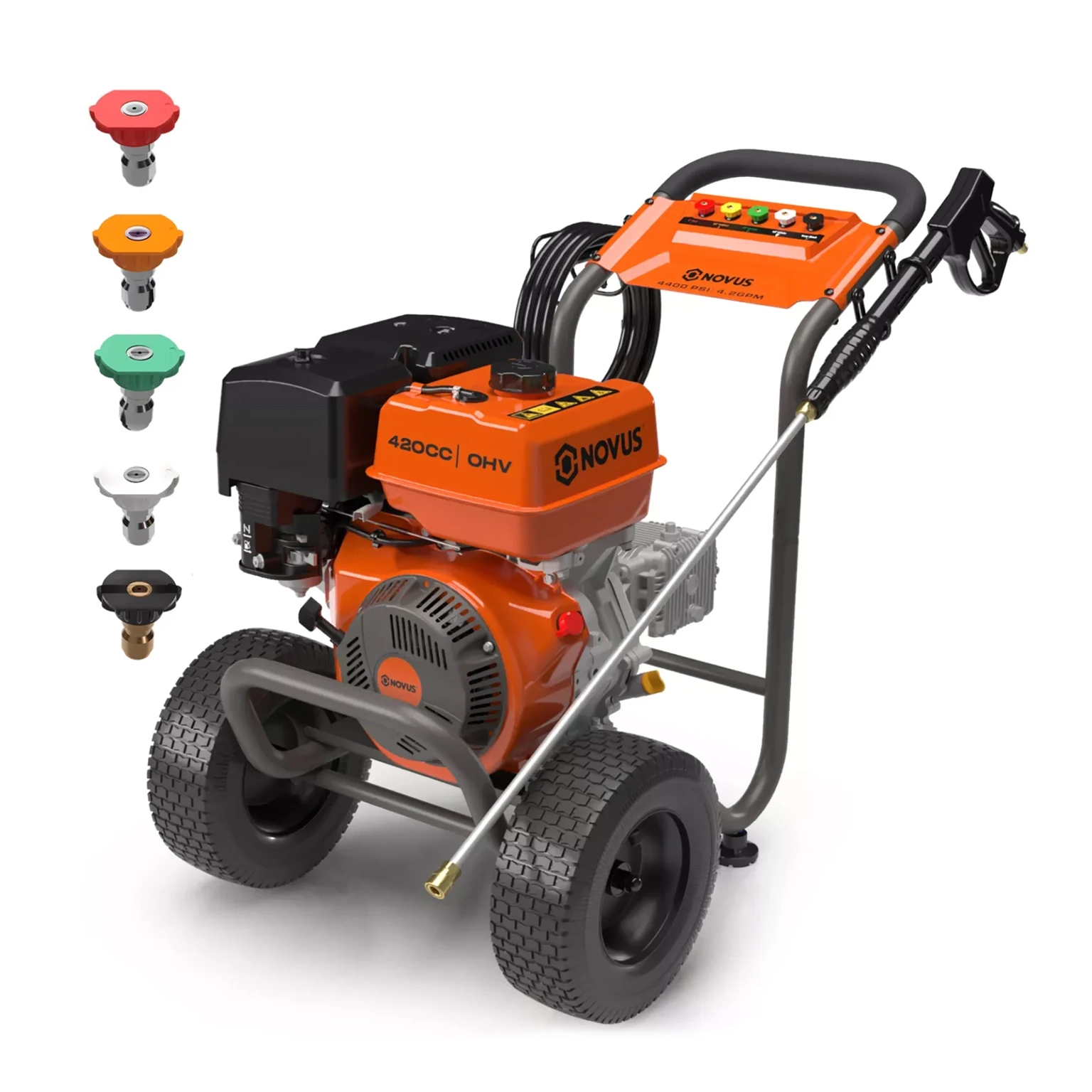
When a Gas Pressure Washer Makes Sense for Siding Cleaning
For many homeowners, especially those with larger houses, a gas pressure washer can be a practical choice for siding cleaning.
- Gas pressure washers are particularly useful when:
- Cleaning large exterior wall areas
- Working on multi-story homes
- Dealing with heavy buildup on shaded or damp surfaces
- Needing consistent performance without power cords
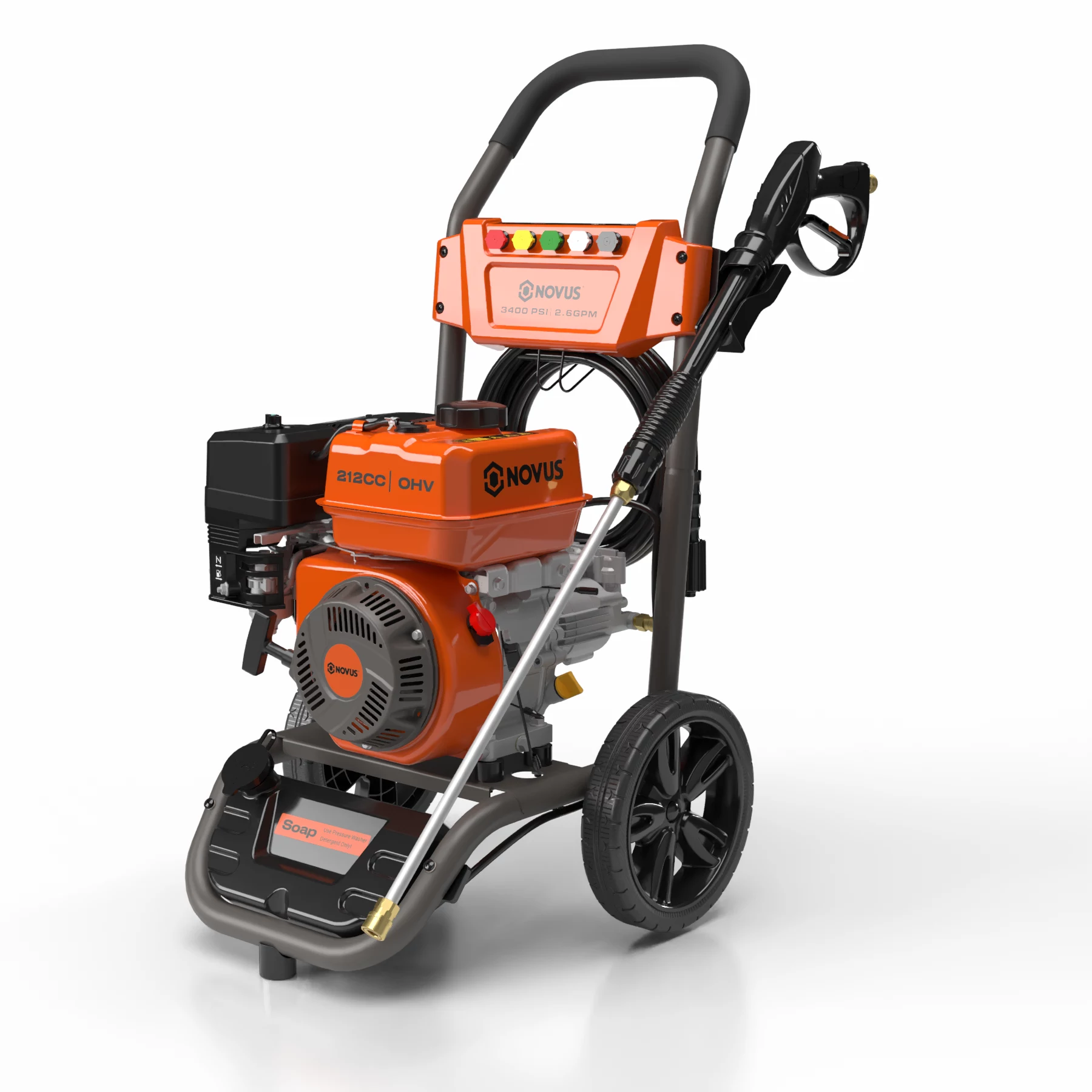
The advantage of a gas pressure washer is not just power—it’s flexibility. Adjustable pressure settings allow you to clean vinyl, wood, and fiber cement siding using one machine, simply by changing distance and technique.
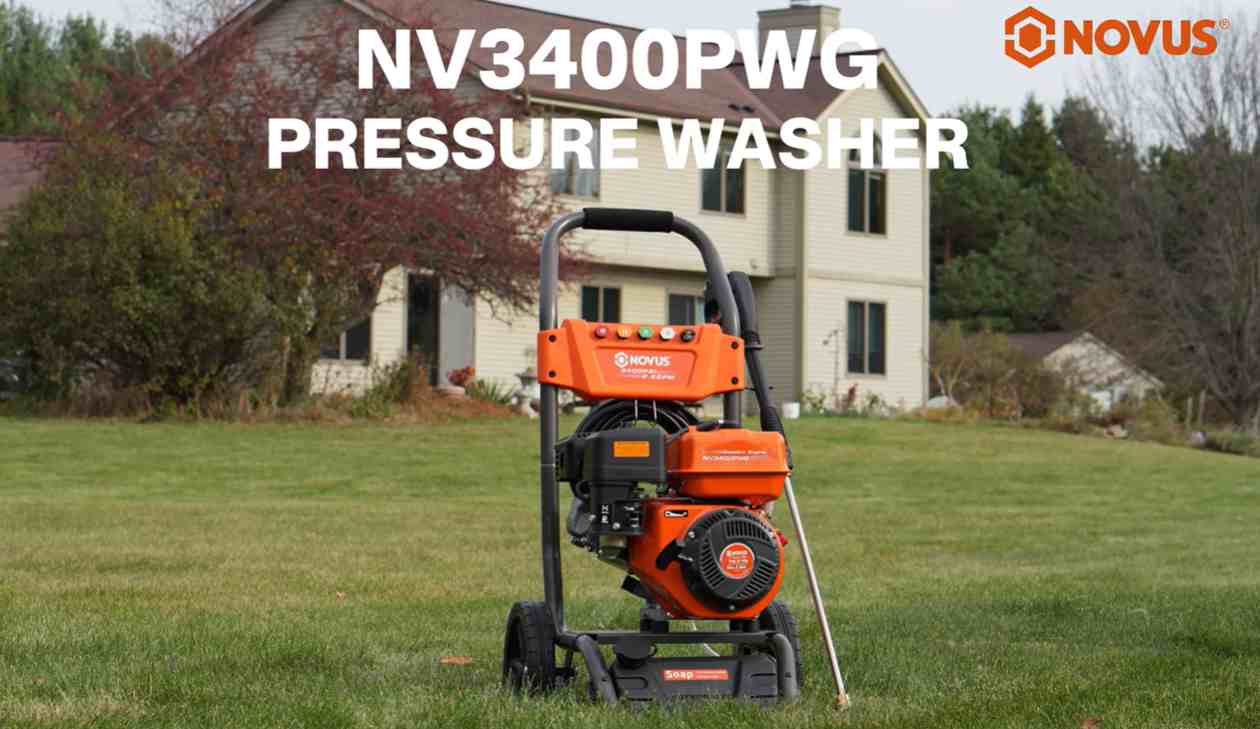
When used responsibly, a gas pressure washer offers efficiency without sacrificing control, making it well-suited for comprehensive house exterior cleaning.
Final thoughts
Vinyl siding is very forgiving and easy on cleaners, while wood siding is something that needs care and patience, and fiber cement siding has some good points concerning durability and performance. However, in all cases of sidings, success lies in careful pressure, angles, and techniques.
Whether you go for the gas pressure washer or any other, the purpose always remains the same, which is cleaning the outside of your house without damaging it. With the right knowledge, the experience of power washing your house can be very rewarding for you.


Leave feedback about this