

When there is a power outage or when camping in the wild, the inverter generator has become the preferred power source for many people. Compared to traditional generators, it provides pure power, operates quietly, and is more fuel-efficient. It can power most household appliances and precision electronic equipment.
Many users mistakenly believe that any appliance can be directly connected as long as the interface matches. In fact, generators have a power limit. If the load is too large, the protection mechanism will be triggered, causing a power outage or shutdown; continuous overloading will even shorten the machine’s lifespan.
Selecting the right generator is just the first step. Identifying the appliances that cannot be connected is equally crucial. Instead of listing a bunch of equipment names, it is more practical to learn to judge compatibility and understand the principles behind incompatibility.
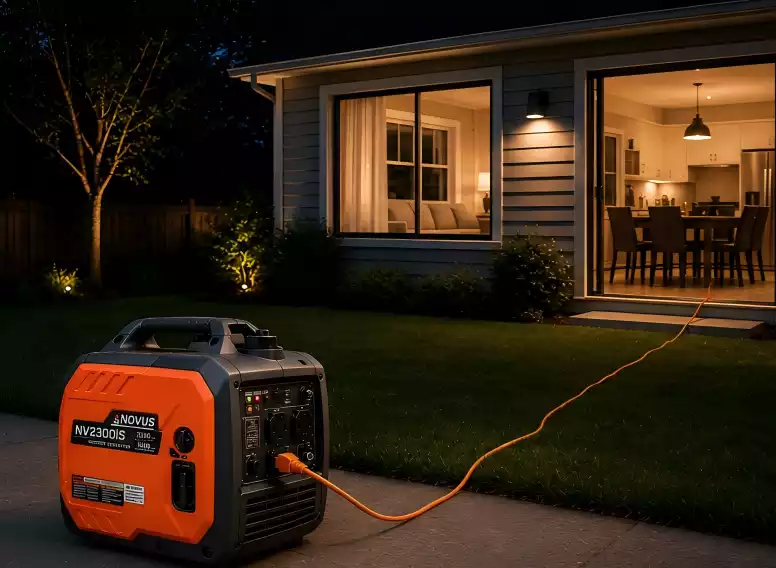
Know Your Generator’s Power Capacity Before Plugging Anything In
Before deciding which appliances to use, it is essential to understand the parameters of the generator.
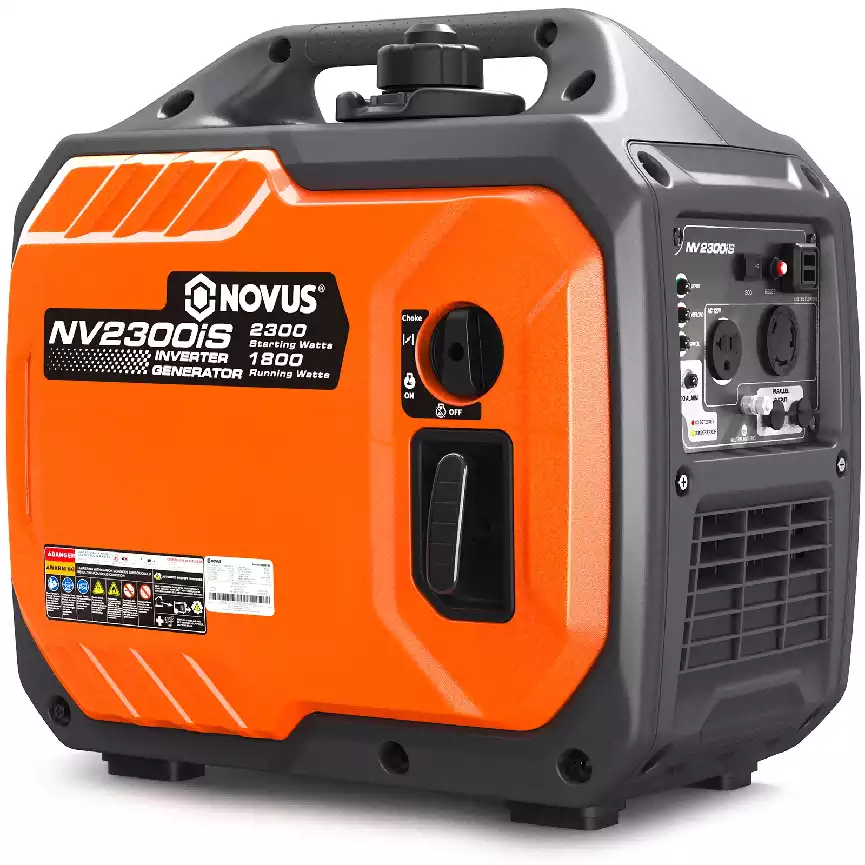
The inverter generator has two key power indicators:
- Rated (operating) power: The power that the machine can continuously and stably output.
- Starting (surge) power: The short-term peak power used exclusively by the appliance during its startup.
Devices with motors such as refrigerators, freezers, water pumps, and air conditioners will generate an electrical current shock when the compressor starts. The power consumption during normal operation is not high, but the power demand during the startup moment will increase significantly.
In addition, pay attention to the total load. Even if the power of each individual appliance is suitable, when multiple high-power devices are turned on simultaneously, the total power consumption may still exceed the capacity of the generator.
It is recommended not to keep the generator running at full load for a long time and reserve some excess power. This can not only ensure stable power supply but also cope with the instantaneous power shock during the startup of the appliances.
Appliances You Should Avoid Plugging Into an Inverter Generator
Some electrical appliances have high peak power consumption and consume a large amount of electricity continuously. Medium-sized portable inverters are difficult to power them and it is not recommended to connect them.
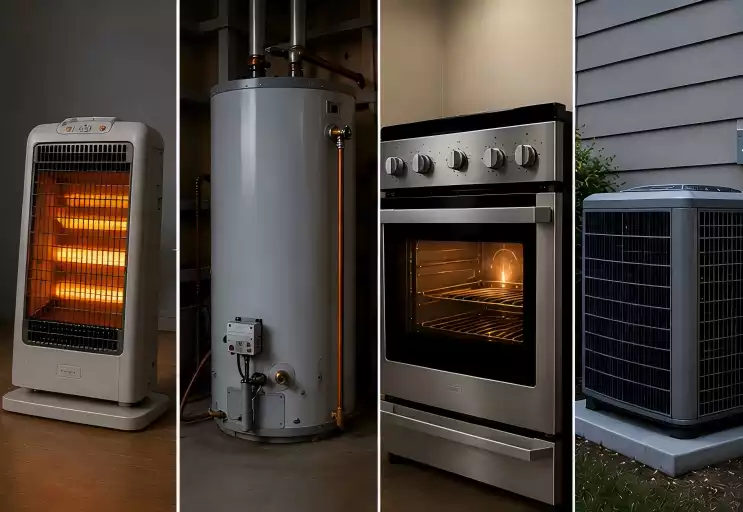
Electric Water Heaters
It operates continuously by relying on the heating element, consuming a lot of electricity. Different models can have power outputs of several kilowatts. Most portable inverters are unable to handle this load.
Central Air Conditioning Systems
Whole-house central air conditioning systems are equipped with high-power compressors and have a huge surge current at startup. Even though the normal operating power seems moderate, the startup impact can easily exceed the limit of a portable generator.
Emergency power use is best served by small window air conditioners. Do not attempt to power the entire central air conditioning system.
Electric Dryers and Electric Ovens
Heating appliances such as dryers, ovens, and electric stoves are major power consumers in the home, and their continuous power consumption is generally beyond the load range of portable inverters.
Large Workshop Equipment
Large air compressors, electric welders, industrial woodworking machinery, etc., often require very high startup currents or long-term high power output. Unless the generator parameters are clearly matched to the equipment requirements, do not connect.
Multiple High-Power Appliances at the Same Time
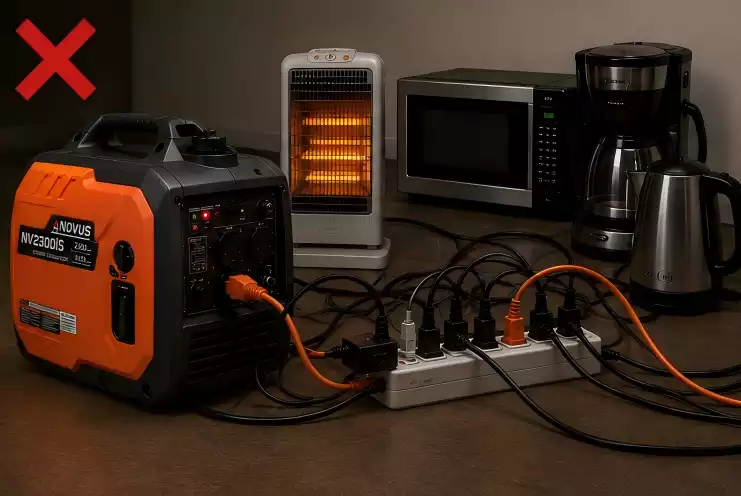
The problem may not come from a single device. Exceeding the total load can also cause issues.
For example: Using a microwave oven, electric water heater, coffee machine, and heater separately may not be a problem, but turning them on simultaneously, the total power consumption can easily exceed the rated load of the generator.
Appliances That Require Extra Attention
Not every appliance falls into a simple “safe” or “unsafe” category. Some devices may work well with one generator but not another, depending on their power requirements and the generator’s capacity.
Examples include:
- Refrigerators and freezers
- Sump pumps
- Window air conditioners
- Portable dehumidifiers
- Medical equipment that requires continuous power
For these appliances, it’s important to check both the running wattage and the starting wattage provided by the manufacturer whenever possible.
If the starting requirement approaches or exceeds your generator’s maximum output, the appliance may fail to start even though its normal operating power appears relatively low.
How to Decide Whether an Appliance Is Safe to Run
Are you unsure if the electrical appliances in your hands are compatible with the inverter generator? You can check this yourself following these simple steps:
Step 1: Check the appliance’s running wattage.
Look at the label on the device body or the product manual to find the rated power for the device to operate normally.
Step 2: Determine whether it has a startup surge.
For devices with motors and compressors, a sudden high power will be generated during startup, which is much higher than the daily operating power. This point must be paid special attention to.
Step 3: Compare the electrical demand with your generator’s rated and starting output.
The operating power and startup peak power of the appliance must be within the capacity of the generator for normal and safe use.
Step 4: Consider the total load.
Don’t just focus on one appliance. You need to add up the power of all the devices that are turned on simultaneously to ensure that the total power consumption does not exceed the limit.
Step 5: Maintain a safety margin.
Don’t let the generator work at full load for a long time. Reserve a certain surplus power to easily cope with sudden voltage fluctuations and effectively avoid problems such as overload tripping and shutdown.
If you are unsure about the compatibility, don’t estimate based on experience. Prioritize referring to the generator’s user manual and the official parameter specifications of the appliance.
Final Thoughts
Rather than memorizing which electrical appliances cannot be connected to the generator, it is better to understand the power requirements of various devices. High-power heating equipment, central air conditioning, large workshop machinery, or multiple high-power appliances being turned on simultaneously are the most common types of situations that cause the generator to overload.
Check the continuous working power of the equipment and the peak power during startup, calculate the overall load, and be cautious when connecting high-power-consuming devices. This way, in scenarios such as power outages and outdoor travel, you can use the inverter generator more safely and efficiently.


Leave feedback about this