

When choosing an portable inverter generator, the most common question is: How much power should I select?
Many users either buy a smaller one that cannot power the equipment, or a larger one which leads to budget waste and usage burden.
In fact, the selection of a generator is not simply about “how many watts”, but requires comprehensive consideration of the starting power, running power, and actual usage scenarios. This article will use a clear method to help you calculate step by step the size of the generator that is most suitable for you.
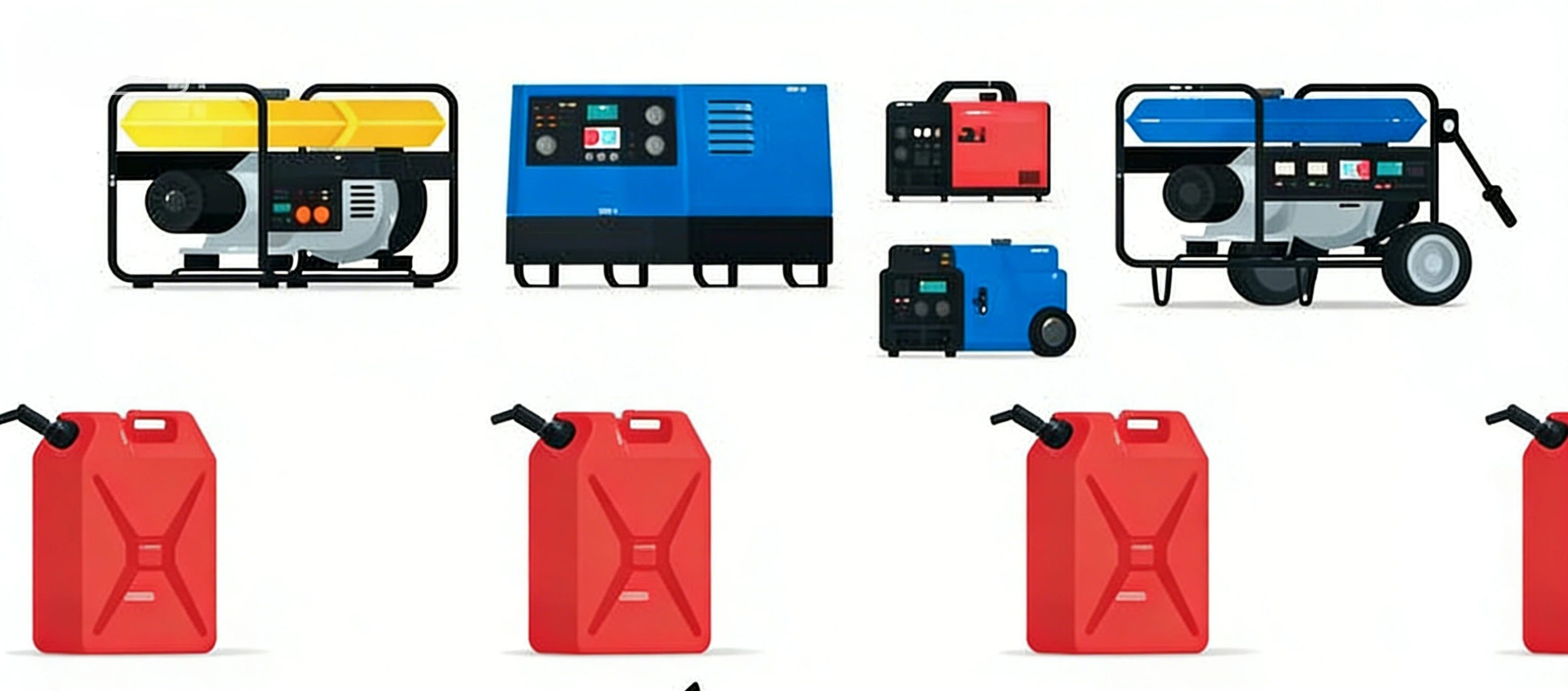
Why Generator Sizing Is More Complicated Than You Think
Many guidelines suggest adding up the power of all devices, but this is not entirely accurate.
The reason is:
Most devices with motors (such as air conditioners, refrigerators, water pumps) require a power of 2-5 times higher at startup than during normal operation. Ignoring this can lead to the situation where even if the total power seems sufficient, the device may simply not start at all.
At the same time, blindly choosing a larger generator can bring several problems:
higher cost, heavier machine, greater fuel consumption, and even reduced portability.
Therefore, the correct approach is not “the bigger, the better”, but to precisely match the demand and leave a reasonable margin.
Understanding Generator Wattage
Before calculating the size of the generator, you need to first understand two core concepts:
Operating power
This refers to the electricity that the equipment continuously consumes when it is operating normally.
Starting power
This refers to the additional electricity required when the equipment starts up, which usually occurs in devices with motors or compressors.
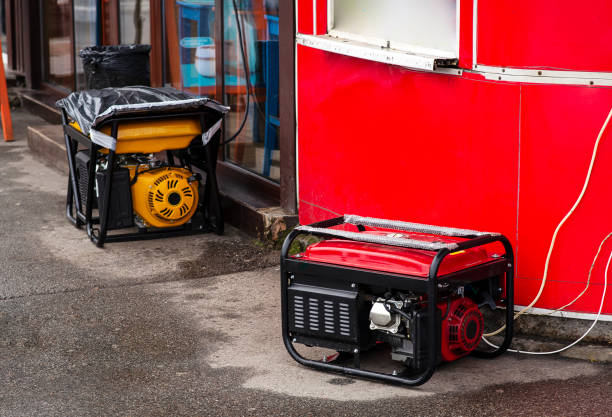
For example:
- Refrigerator: Operating power is approximately 600W. Startup power might reach 1200W.
- Air conditioner: Operating power is approximately 1500W. Startup power might reach 3000W.
This is why many users encounter the problem of “the generator not being able to power the equipment” – because they overlooked the starting power.
Remember a key principle: If the equipment cannot start, it cannot operate.
Step-by-Step: How to Calculate the Right Generator Size
Step 1: List the “simultaneously used” devices
Note that this does not involve listing all appliances, but rather the devices that are running at the same time.
For example: During a power outage, you might only need the refrigerator, lights and TV, rather than all the appliances turned on at once.
Step 2: Calculate the total operating power
Sum up the operating power of all the devices.
If the devices are marked with current (Amps), you can use the formula to convert: Power (W) = Voltage (V) × Current (A)
Step 3: Identify the device with the maximum starting power
These are usually the following devices:
- Air conditioner
- Refrigerator
- Pump
- Electric tools
Just choose the one with the highest starting power.
Step 4: Calculate the total demand power
Final calculation formula:
Generator power = Total operating power + Maximum starting powerIt is recommended to add an additional margin of about 20% to ensure stable operation.
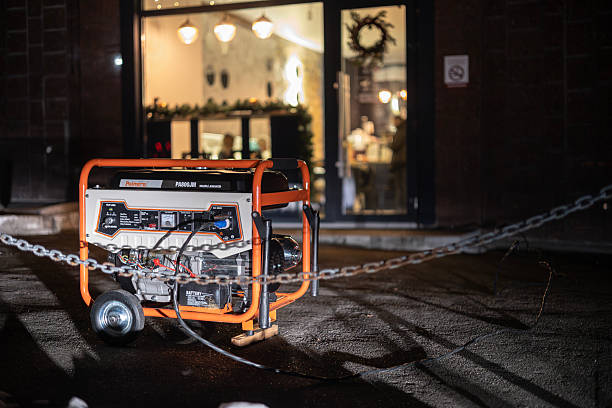
Real Example: Calculating Generator Size
Suppose you need to supply power for the following devices:
- Refrigerator: 600W (running) / 1200W (startup)
- Microwave oven: 1000W
- Lighting: 100W
Calculate as follows:
- Total running power = 600 + 1000 + 100 = 1700W
- Maximum startup power = 1200W
Recommended generator power: 1700W + 1200W = 2900W
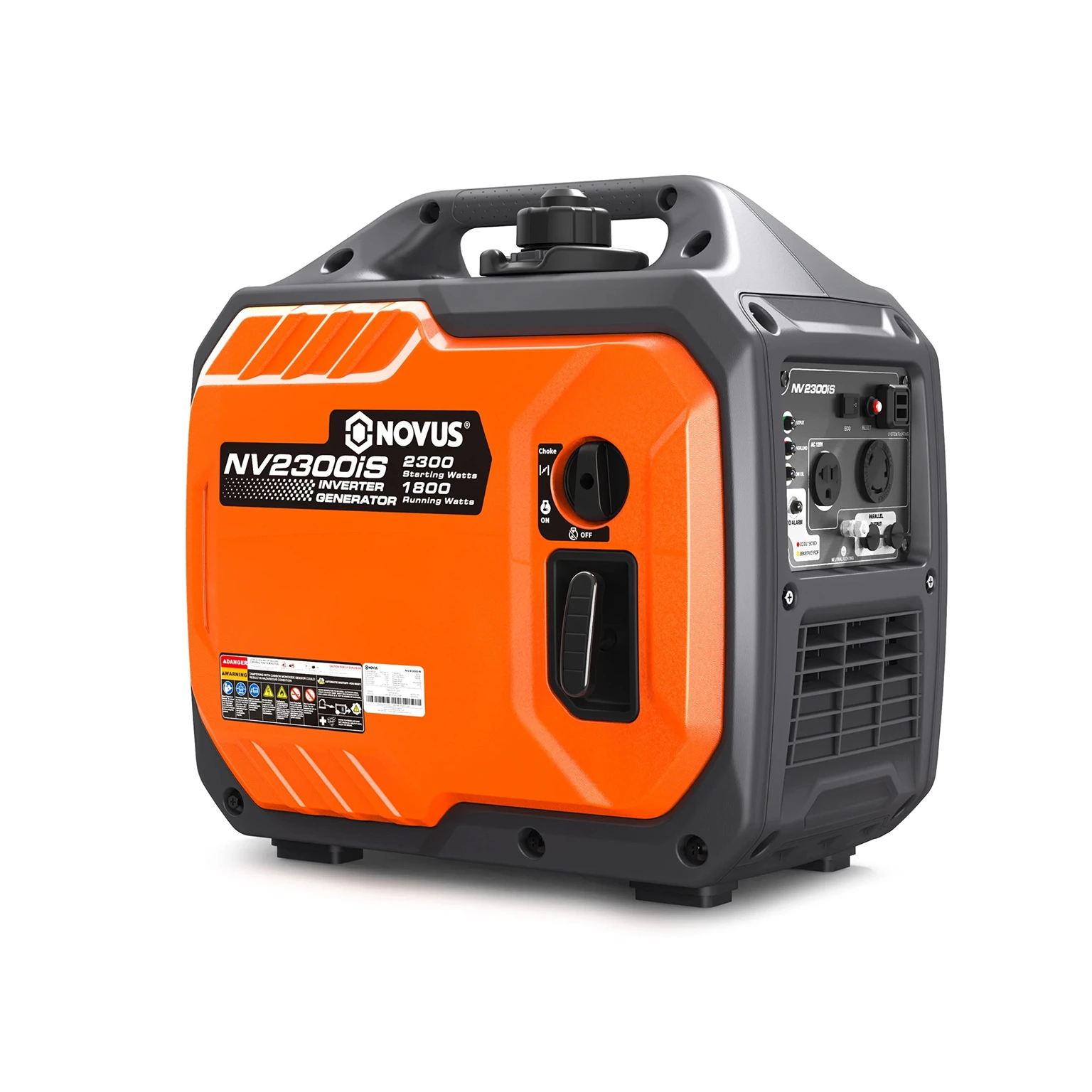
Taking margin into account, it is recommended to choose a variable-frequency generator with a power of around 3000W.
Recommended power ratings for common usage scenarios
If you don’t want to do the calculation yourself, you can refer to the quick matching table below
| Use cases | Typical equipment | Recommended power range | Explanation |
| Camping | Mobile phones, lighting, laptops, small fans | 1000–2000W | Light load usage, with emphasis on noise reduction and portability |
| RV | Air conditioners, microwave ovens, coffee machines, charging devices | 2000–4000W | Requires support for air conditioner startup. It is recommended to choose the parallel model. |
| Home Backup | Refrigerators, lamps, televisions, routers | 3000–7000W | Satisfies basic household electricity needs. Not suitable for whole-house power supply. |
| Whole House | Air conditioning systems, washing machines, electric water heaters | Over 7000W | Usually requires higher power or multiple devices for support. |
| Jobsite | Electric drills, electric saws, air compressors | Over 3000W | The tool has a high startup power, so attention should be paid to peak power. |
| Outdoor Events | Audio systems, lighting, small appliances | 2000–3000W | It needs to balance stable output and continuous operation capabilities. |
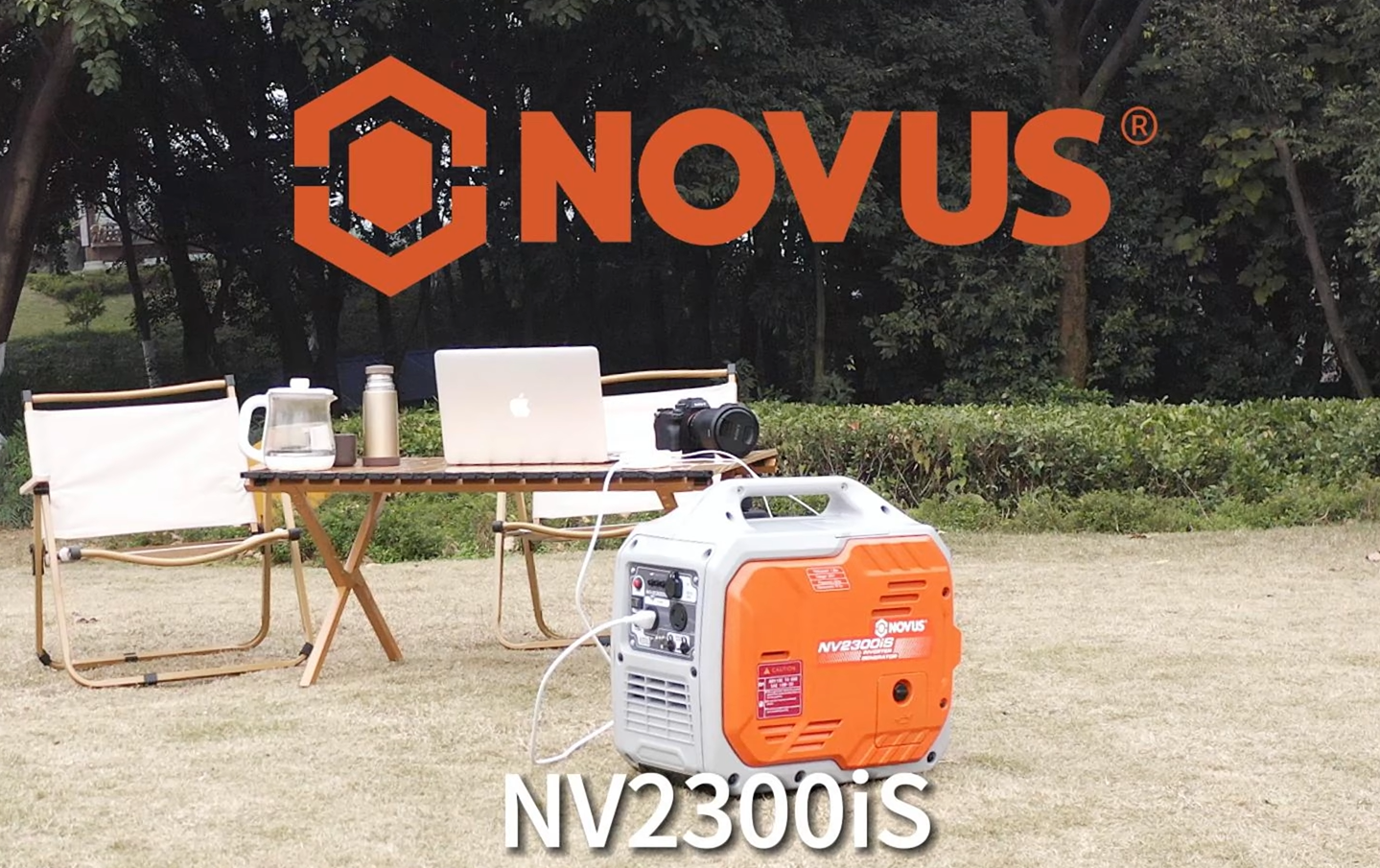
Common Mistakes in Purchase
During the actual purchasing process, many users often fall into these traps:
Firstly, only calculating the running power is the most common mistake, which can lead to the device not being able to start.
Secondly, ignoring the concept of “simultaneous use” results in a deviation in power estimation.
Some people blindly pursue high power, resulting in increased costs without actual benefits.
Moreover, some users do not leave a margin, causing the generator to remain in a high-load state for a long time, which affects its lifespan.
All these problems can be easily avoided through the calculation methods mentioned earlier.
Is it Necessary to Choose a Higher Power?
Many people may ask: Is it safer to buy a larger generator?
The answer is: It’s good to have a moderately large one, but there’s no need to overdo it.
An overly large generator usually means:
- Higher price
- Larger size and weight
- Higher fuel consumption
The most reasonable strategy is:
Calculate according to the demand + reserve 20% margin
Why Choose a Portable Generator
Compared to traditional generators, variable-frequency generators are more suitable for most users. The reasons are as follows:
The output current is more stable, suitable for precision equipment such as computers and mobile phones.
The noise is lower, suitable for camping and home use.
It is more fuel-efficient and has higher operating efficiency.
If your usage scenario is towards home, outdoor, or RV, a variable-frequency generator will be a better choice.


Leave feedback about this