

In agricultural production, stable irrigation is the cornerstone for a bountiful harvest of crops, and pumps play a crucial role in this regard, boasting numerous significant advantages. Among them, the semi-trash water pump represents another technological advancement. It is designed as a professional bridge between a clean water pump and a heavy-duty sewage pump, and is the most efficient and durable solution in agriculture for handling medium to moderately contaminated water environments.
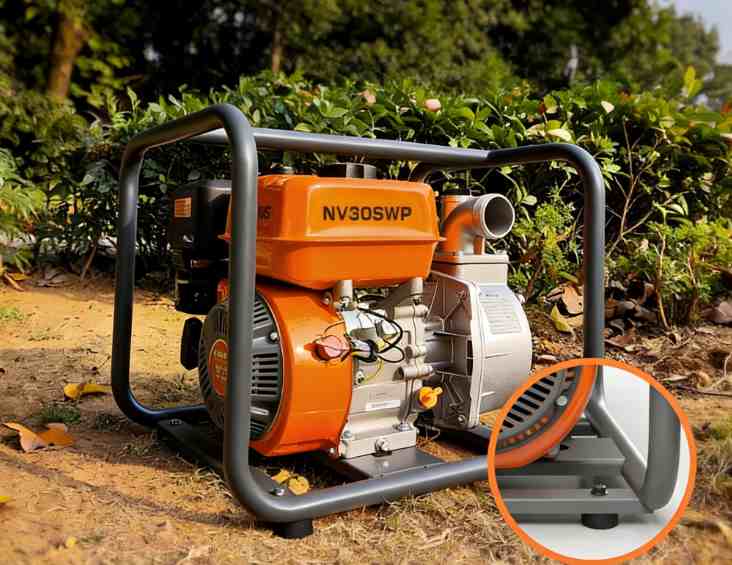
The Hidden Cost of “Dirty” Water in Farming
The majority of agricultural irrigation sources are classified as “open water.” Unlike well water, this type of water is dynamic. For example, after a rain storm, a peaceful pond turns into a silt-filled reservoir. A standard aluminum impeller pump may work for a few hours, but the abrasive nature of sand works like sandpaper, wearing down internal components.
When your pump fails, you aren’t just losing a piece of equipment; you are losing precious time, labor hours, and potentially, your crop yield. Investing in a semi-trash water pump is essentially an insurance policy against irrigation downtime.
Deep Dive: Why the Semi-Trash Pump Handles the “Rough Stuff”
The superiority of our semi-trash pump lies in its internal architecture. While it looks similar to a standard pump on the outside, the “engine room” is built for combat.
The Power of the Cast Iron Impeller
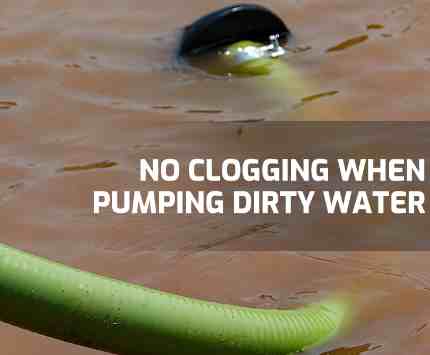
The standard pumps use aluminum impellers to reduce weight and expenses. Our semi-trash pumps are provided with Heavy-Duty Cast Iron Impellers. Cast iron has better resistance to high-velocity impacts of small stones and abrasive sand. It retains shape and performance even after hundreds of hours of pumping silt-laden river water.
Large Solid Handling (Up to 20mm)
The volute (the chamber where water rotates) adopts a wider flow channel design. This enables the water pump to pass through solid particles with diameters up to 20 millimeters (3/4 inch), such as branches, pebbles and mud clumps. These solid particles will not get stuck and cause the motor to seize, but will be safely flushed out of the system.
Silicon Carbide (SiC) Mechanical Seals
The most common reason for pump failure is a leaky seal. Carbon ceramic seals are prone to cracking when foreign objects enter the seal chamber. We, however, use Silicon Carbide seals, which are harder and more resistant to heat. They form a watertight seal that prevents abrasive slurry, commonly found in agricultural waste, from entering the engine.
Related Articles:
Semi-Trash Pumps vs Clear Water : What’s the Difference and Which One Do You Need?
Reliability Meets Efficiency: Beyond the Specs
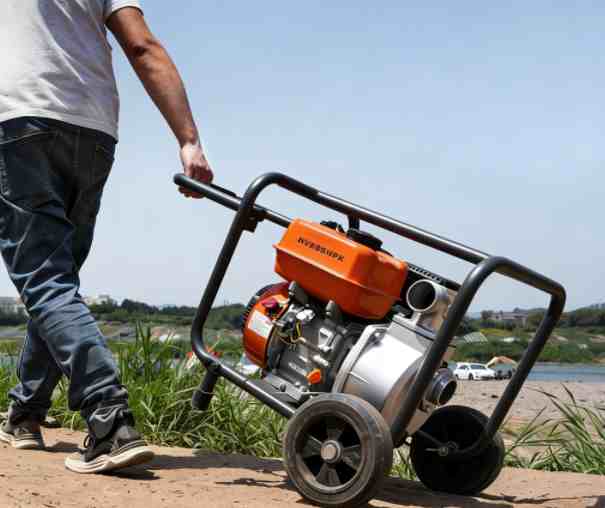
While “toughness” is the headline, a professional pump must also be practical for daily farm use.
Tool-less Cleanout: Time is critical during a dry spell. Our pumps feature a quick-release housing secured by hand-turn bolts. If a large piece of debris ever does obstruct the flow, you can open the pump casing, clear the clog, and be back in operation in under 60 seconds—no toolbox required.
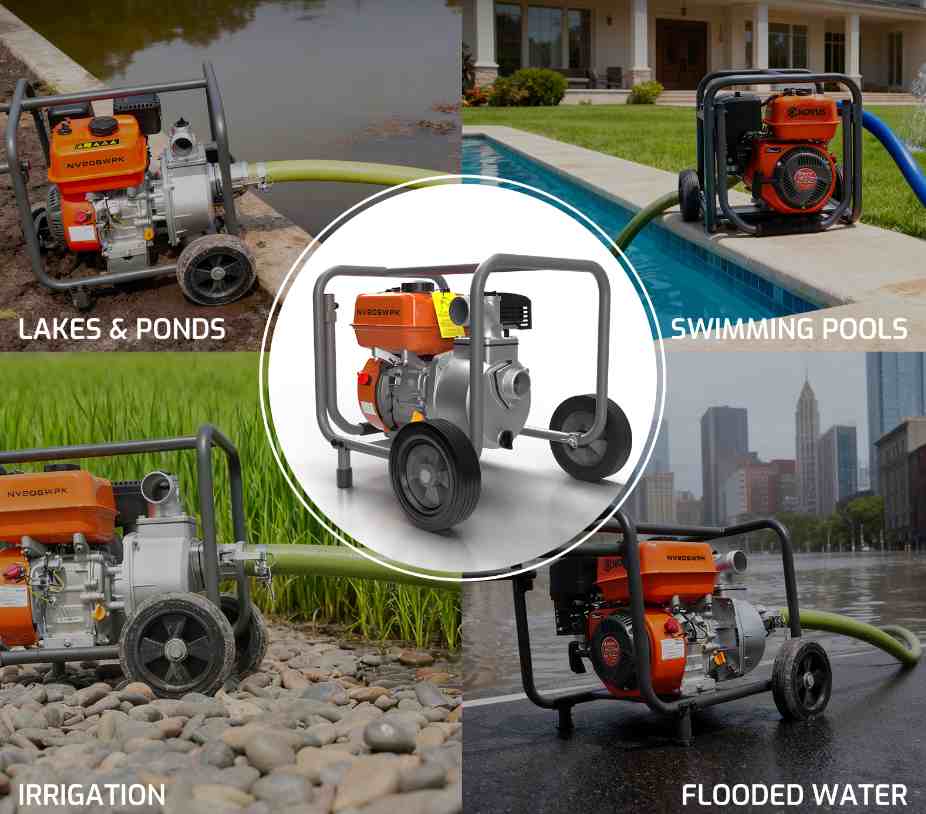
High-Flow Performance: Durability doesn’t come at the expense of power. Whether you are flooding a rice field or powering an orchard sprinkler system, these pumps deliver the high-volume displacement (L/min) needed to cover large acreage quickly.
Vibration-Dampening Frame: Built on a heavy-duty steel roll cage with rubber mounts, the pump remains stable on uneven field terrain, reducing wear and tear on the engine components.
Selecting the Right Pump for Your Field
Not every field requires the same capacity. Choosing the right size ensures fuel efficiency and optimal water pressure.
| Feature | 2-Inch Semi-Trash Pump | 3-Inch Semi-Trash Pump | 4-Inch Semi-Trash Pump |
| Best For | Small orchards / Flower beds | General crop irrigation | Large scale water transfer |
| Max Solid Size | 15 mm | 20 mm | 25 mm |
| Portability | High (Single person carry) | Moderate | Stationery / Cart mounted |
| Ideal Water Source | Shallow ponds / Rain barrels | Rivers / Canals | Flooded fields / Large reservoirs |
Pro-Tips: Maintaining Your Pump for a 10-Year Lifespan
To get the most out of your investment, follow these three simple “Expert Rules”:
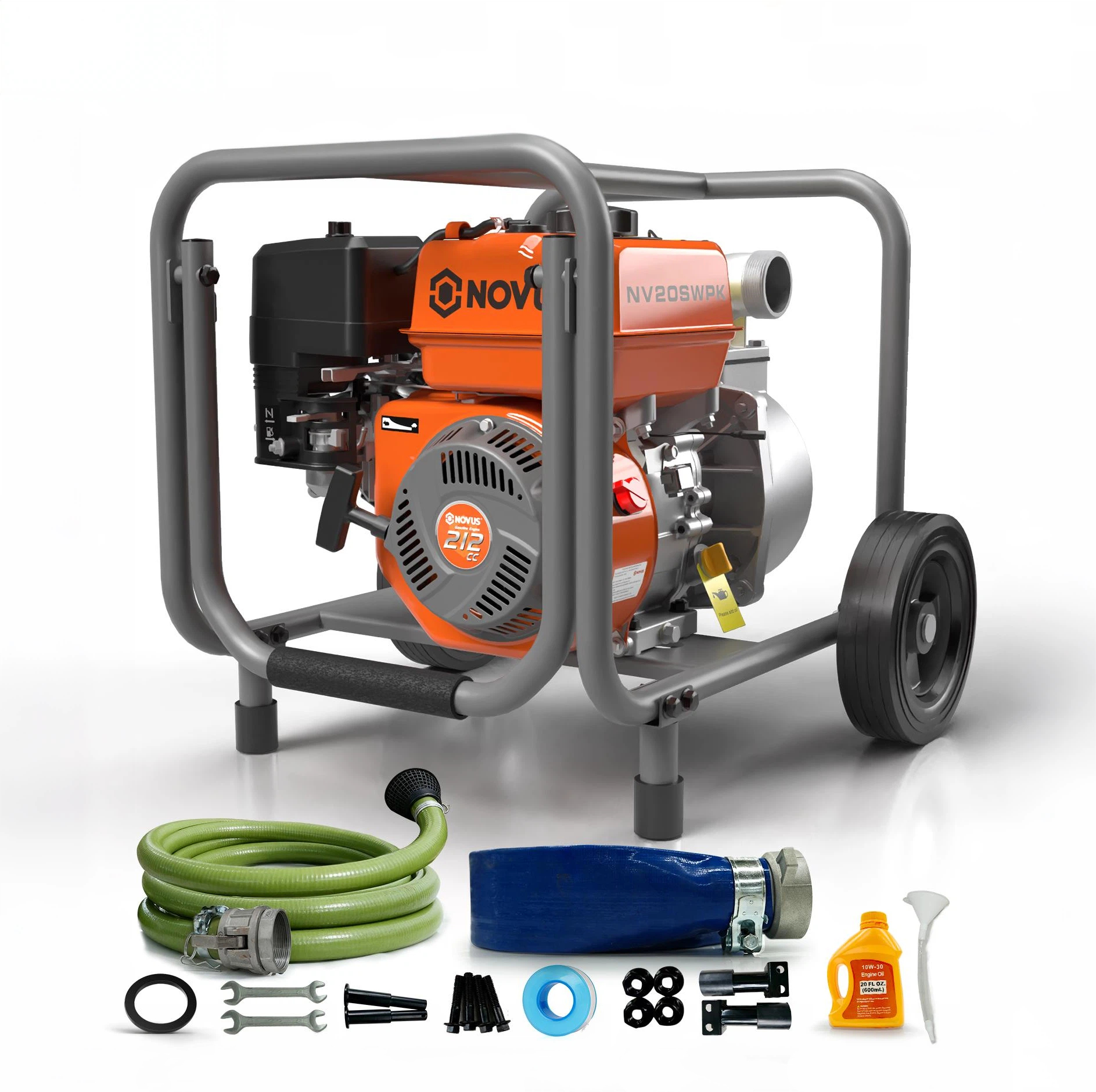
- Always Use the Strainer: Although the pump is able to handle solids, it is still important to use the provided suction strainer to block any large rocks or heavy plastic materials that could damage the outer casing.
- Flush After Use: If the water being pumped has been particularly salty or muddy, flush a few gallons of clean water through the pump before storage to prevent sediment from hardening inside.
- Check the “O-Rings”: Once a season, a little silicone grease should be put on the casing O-ring so the tool-less clean-out continues to operate easily and remain airtight.
In the world of professional agriculture, the cheapest tool is often the most costly if it fails in the field. The Semi-Trash Water Pump is the perfect balance of flow efficiency with a water pump and durability with a trash pump.
Ready to take your irrigation equipment to the next level? Check out our entire line of professional-grade semi-trash water pumps or contact our technical team to get started on a custom solution for your OEM needs.


Leave feedback about this