

Pressure washers are one of the fastest and most effective tools for cleaning driveways, patios, decks, fences, vehicles, and other outdoor surfaces. Whether you’re using a residential unit or one of today’s powerful gas-powered pressure washers, the right technique can save hours of scrubbing while delivering impressive cleaning results.
However, using a pressure washer incorrectly can do more harm than good. Too much pressure, the wrong nozzle, or poor preparation can damage surfaces, reduce cleaning efficiency, and even shorten the life of your equipment.
The good news is that most pressure washing problems are easy to prevent. In this guide, we’ll cover seven of the most common pressure washing mistakes homeowners make and explain how to avoid them for safer, more effective cleaning.
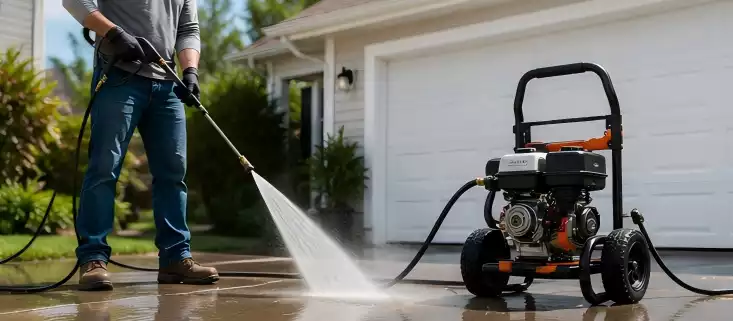
Before You Start: A Quick Pressure Washing Checklist
Taking a few minutes to prepare before you begin can improve cleaning results and help prevent costly mistakes.
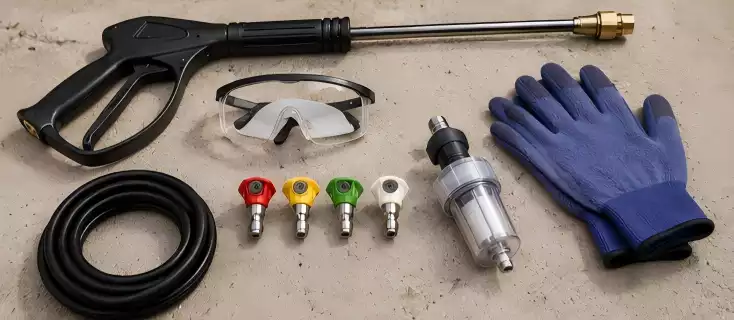
Before starting your pressure washer, make sure you:
- Inspect the hose, spray gun, and fittings for leaks or damage.
- Connect a clean water supply before starting the engine.
- Choose the correct spray nozzle for the cleaning task.
- Remove loose dirt, leaves, and debris from the area.
- Cover nearby electrical outlets, delicate plants, or outdoor furniture if necessary.
- Wear safety glasses, closed-toe shoes, and other appropriate protective gear.
- Test the spray on a small, hidden area before cleaning the entire surface.
A simple checklist like this reduces the chance of accidental damage and helps your pressure washer perform at its best.
7 Common Pressure Washing Mistakes and How to Avoid Them
1. Using Too Much Pressure
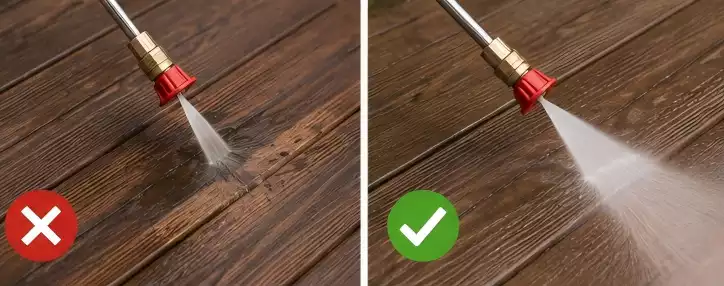
Many first-time users assume that higher pressure always means better cleaning. In reality, excessive pressure can damage wood, strip paint, crack older concrete, or leave permanent marks on delicate surfaces.
Instead of immediately using the highest pressure setting, start with a lower setting and increase it only if necessary. This approach gives you better control while protecting the surface you’re cleaning.
Tip: Let the cleaning job determine the pressure—not the other way around.
2. Choosing the Wrong Spray Nozzle
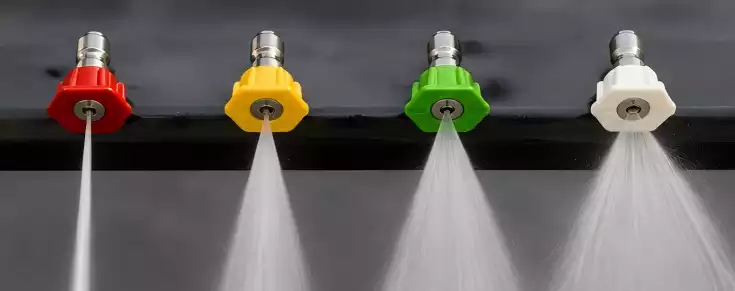
The spray nozzle has a major impact on both cleaning performance and surface safety. A narrow spray angle delivers concentrated force, while a wider angle spreads the pressure over a larger area.
For general cleaning, wider-angle nozzles are usually the safest choice. Narrow nozzles should only be used on tough stains and durable materials such as concrete, and should always be handled carefully.
If you’re unsure which nozzle to use, begin with the widest spray pattern and switch only when additional cleaning power is required.
Related Articles:
What Color Pressure Washer Nozzle Should I Use? (With a Simple Color Chart)
Pressure Washer Nozzle Types Explained: Uses, Angles, and Applications
3. Holding the Spray Wand Too Close
Even the right pressure can become too aggressive if the nozzle is held too close to the surface.
Holding the wand only a few inches away may leave visible streaks, gouges, or surface damage, especially on painted surfaces, wood, vinyl siding, or vehicles.
A good practice is to begin at a greater distance and slowly move closer until you achieve effective cleaning without causing damage. Keeping the wand moving continuously also helps create a more even finish.
4. Skipping Pre-Treatment for Tough Stains
Not every stain can be removed with pressure alone.
Oil stains, grease, mold, mildew, and heavy dirt often require a cleaning solution before pressure washing. Trying to blast these stains away with higher pressure usually wastes time and increases the risk of surface damage.
Apply an appropriate detergent, allow it to work for several minutes according to the product instructions, and then rinse with your pressure washer. This method often delivers better results with less effort.
Remember that cleaning chemicals should always be compatible with both the surface and your pressure washer.
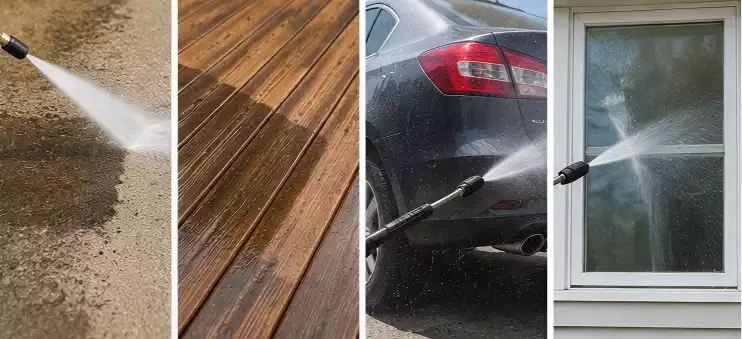
5. Pressure Washing the Wrong Surfaces
While pressure washers are versatile, they are not suitable for every material.
Delicate surfaces such as windows, roof shingles, aging brickwork, or exposed electrical fixtures can be damaged by high-pressure water. Even painted wood or older decking may require extra care or lower pressure settings.
Before cleaning, always check whether the surface is appropriate for pressure washing. When in doubt, use a lower pressure setting, a wider spray pattern, or an alternative cleaning method.
Choosing the right cleaning technique is just as important as choosing the right equipment.
6. Ignoring Routine Equipment Maintenance
Many users focus only on cleaning surfaces while forgetting to maintain the pressure washer itself.
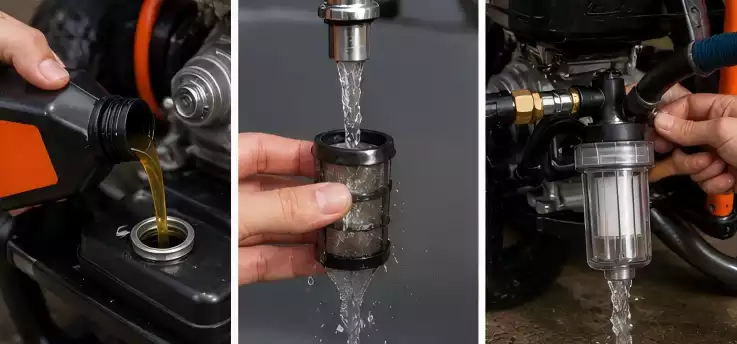
For gas-powered pressure washers, regular maintenance includes checking engine oil, inspecting hoses and fittings, cleaning the water inlet filter, and storing the machine properly after use.
Neglecting routine maintenance can lead to poor performance, pressure loss, or unnecessary repairs over time.
A well-maintained pressure washer not only lasts longer but also provides more consistent cleaning performance whenever you need it.
7. Forgetting Basic Safety Practices
Pressure washers generate enough force to cause serious injuries if used carelessly.
Always wear eye protection and sturdy footwear, keep children and pets away from the work area, and never point the spray gun at people or animals.
Be especially careful when working on ladders or uneven ground. The force of the spray can affect your balance and increase the risk of falls.
Safe operation should always be your first priority, regardless of the size or power of your pressure washer.
Common Pressure Washing Mistakes at a Glance
| Mistake | Possible Result | Best Practice |
| Using too much pressure | Surface damage | Start with lower pressure and increase gradually |
| Choosing the wrong nozzle | Poor cleaning or damage | Match the nozzle to the surface |
| Holding the wand too close | Streaks or gouges | Maintain a safe working distance |
| Skipping pre-treatment | Stains remain | Use detergent for stubborn dirt |
| Cleaning unsuitable surfaces | Permanent damage | Confirm the surface is pressure-washer safe |
| Ignoring maintenance | Reduced performance | Inspect and maintain equipment regularly |
| Forgetting safety practices | Injury or accidents | Wear PPE and follow safe operating procedures |
Using a pressure washer effectively isn’t simply about having the most powerful machine—it’s about using the right technique for each cleaning task.
By avoiding these seven common mistakes, you can clean faster, achieve better results, and protect both your surfaces and your equipment. Whether you’re maintaining a driveway, patio, fence, or outdoor furniture, proper preparation and safe operating habits will make every cleaning job easier.
If you’re looking for dependable gas-powered pressure washers for demanding outdoor cleaning tasks, choosing a quality machine and following good operating practices will help you get the best performance for years to come.


Leave feedback about this