

Waiting until the first snowfall to buy a snow blower is one of the most expensive mistakes many American families make each winter. By the time the forecast predicts 8–12 inches of snow, Home Depot, Lowe’s, and local dealers are already half-empty, prices are high, and the model you really want is long gone.
Smart buyers treat snow blowers like winter coats or patio furniture: they buy when demand is low and inventory is high. Below is a detailed explanation of when is the best time to buy a snow blower in the US, why timing is so important, and how to get the right machine at the best price and with the right selection.
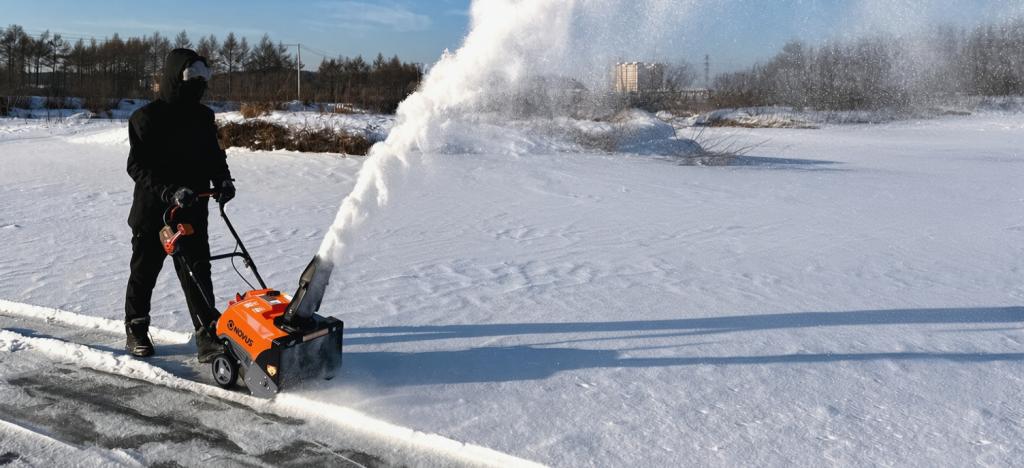
Why Timing Matters More Than You Think
Snow blowers follow an “inverted” retail calendar. Demand surges from November to February. Manufacturers and retailers are well aware of this, so they ship most of their inventory to stores in late summer and early fall. Once winter arrives, production lines often switch back to other seasonal products like lawnmowers. Once the mid-season inventory is sold out, restocking typically doesn’t occur until the following year.
This thus creates two distinct windows:
- Most choices + good deals → Late summer to early fall
- Deepest discounts → Late winter to early spring (but limited choices)
Buying at the wrong time can cost you an extra $200 – $500 easily, or you might be forced to accept a machine that doesn’t fit your driveway or the amount of snowfall perfectly.
Best Times to Buy a Snow Blower (Month-by-Month Guide)
| Time Period | What Happens | Price Level | Selection Level | Recommendation |
| August – October | New models arrive, pre-season promotions start | Good | Excellent | Best overall window |
| February – April | End-of-season clearance to make room for spring | Lowest | Limited | Best for pure bargains |
| May – July | Early pre-orders and quiet promotions | Moderate | Good | Solid secondary option |
| November – January | Peak demand during and after storms | Highest | Poor | Avoid if possible |
August to early October: The Optimal Balance Point
This is the best time period recommended by most experts (including Consumer Reports), where you can get the best balance between price and selection. Retailers receive their new annual inventory, and the shelves are fully stocked. Early promotions also start to kick in. You can confidently compare single-stage electric, two-stage fuel, and cordless models without worrying about the pressure of stock shortages. More importantly, the machines will be placed in your garage in advance, long before the first snowflake falls.
February to April: Lowest price of the year (if you can wait)
After the winter season, retailers need to clear space to display lawn mowers, lawn trimmers and patio furniture. The remaining snow blowers will drop significantly in price – sometimes by as much as 30-50%. This is the lowest price period of the entire year.
The downside is: Popular sizes and features (self-propelled, electric start, wider snow clearance width) are usually sold out, leaving only the models that were not sold in previous years. If you know exactly what you want or don’t care much about the year, this window is perfect.
May to July: Quiet but decent
Some manufacturers and online retailers will offer early pre-sale prices. The inventory is limited, but the promotional efforts are not as strong as in August-October. If you want to secure the machines a few months in advance, it’s still a reasonable option.
Worst Time to Buy
Deep winter—especially the days to weeks following the first significant snowfall—is the worst time to buy. Panic buying quickly empties shelves, leaving remaining machines at near full price, and selection drastically decreases. Online retailers may still have stock, but shipping delays and increased demand often negate any price advantage.
If you wait until you really need to buy, you’ll end up spending more money and having fewer choices.
Other Factors That Affect the Best Time to Buy
Your location is crucial.
Homeowners in the Upper Midwest, New England, and the Great Lakes region should give priority to choosing the 8-10 month window. The snowfall is heavy and stable, and there is no room for error as inventory may run low. In areas with less snowfall (such as parts of the Mid-Atlantic or the Pacific Northwest), the end-of-winter clearance window will be more attractive because you may not need it throughout the entire season.
Fuel vs Electric/ Cordless.
The battery-driven and electric models have been growing rapidly. Their inventory patterns are similar to those of fuel-powered machines, but some cordless models tend to remain in stock for a longer period online. Two-stage fuel engines are usually the fastest-selling in snowy areas.
Promotional periods worth paying attention to.
- Labor Day (in early September)
- Early autumn promotion
- Black Friday / Cyber Monday (various effects – at this time, the options may have started to decrease)
- Post-holiday and end-of-summer clearance sales
New product launch schedule.
Most mainstream brands will update their product lines in the autumn. Purchasing between August and October usually allows you to get the latest features (improved snow thrower control, better LED lighting, longer battery life, etc.).
How to Get the Best Deal on a Snow Blower
- First, define your needs. Measure your driveway length and understand typical local snow depth before deciding on a single, dual, or triple-stage model. This will prevent impulsive purchases during promotions.
- Compare the total cost. Include all accessories (hood, electric starter kit, spare battery) and possible shipping costs.
- Keep an eye on both large chains and specialty dealers. Home Depot, Lowe’s, and Ace Hardware offer significant promotions, but independent outdoor power equipment dealers sometimes offer better service packages or local delivery.
- Consider certified refurbished or open-box machines. Reliable sellers often sell last year’s models or display machines at significant discounts and come with full warranties.
- Set up price alerts. Use price tracking tools to keep an eye on specific models. Once there is a discount during your preferred time period, make the purchase.
- Store it properly after purchase. Follow the basic off-season maintenance steps (fuel stabilizer or remove the battery, thoroughly clean, dry storage). A well-maintained machine can last for many winters, protecting your investment.
Summary
For most American families, late August to early October is the best time to buy a snow blower. You can get a wide selection, the latest models, and meaningful pre-sale discounts, while avoiding the anxiety of winter shortages.
If you only aim for the absolute lowest price and can accept limited choices (or store the machine for use in the next season), then target the clearance sales from February to April.
The most important rule is always simple: buy when you need it. The week after the first significant snowfall is when prices are highest and choices are fewest. By planning ahead, you can clear the snow more quickly, safely, and economically.


Leave feedback about this