

Many users believe that the maintenance work for snow blowers only needs to be done during the winter usage period or before being stored. However, in fact, for snow blowers, the most challenging part is not the cold winter season, but the long storage period in the summer. High temperatures, humidity, dust, and long-term idleness all gradually accelerate the aging of the machine, leading to problems such as internal corrosion, fuel deterioration, battery depletion, and damage to key components.
If you simply parked your snow blower at the end of the last snow season without carrying out necessary maintenance and inspections, then your snow blower is likely to have already developed potential faults by now.
Don’t wait until the first heavy snowfall in November to discover that the machine won’t start. Here are four key items that you need to check immediately to ensure that your snow blower remains in good condition during the summer storage period and can safely survive the hot summer.
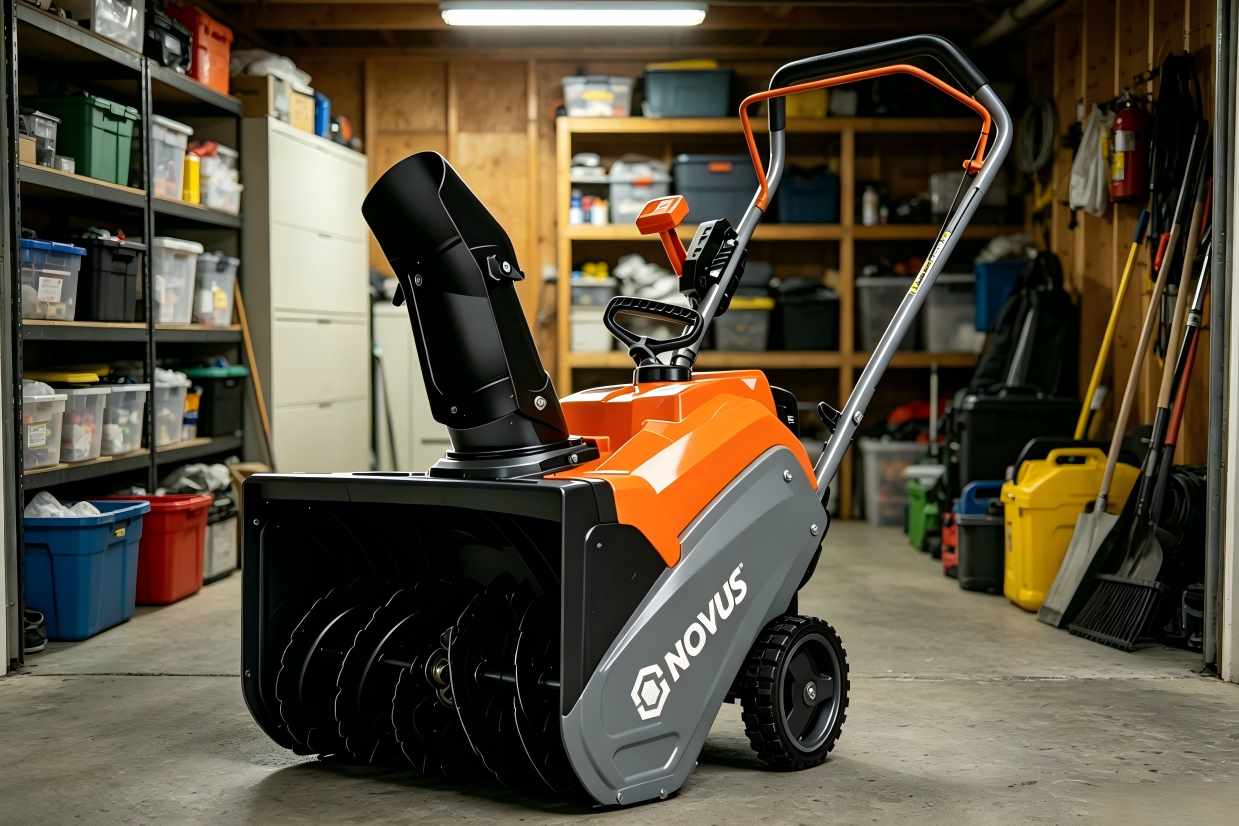
Check the Gas Tank for Phase Separation
When you forget to drain your fuel tank at the end of winter, you are actually storing the gasoline for about 90 days or even longer. The gas available in most contemporary filling stations is mixed with about 10% to 15% of ethanol. In the hot and humid garage during summer, these ethanol molecules act like magnets, directly absorbing moisture from the air and entering the fuel system.
If there is excess moisture inside the fuel tank, then it is known as phase separation. The water, along with the ethanol, sinks to the bottom of the tank, and there remains a layer of bad gasoline that is low in octane and of poor quality. This mixture of acidified water goes into the carburetor and becomes a sludge, blocking the oil passages.
- What needs to be checked now: Open the fuel tank cap and examine the fuel. Should there be a smell of sourness or any other unusual smell in the gasoline, or is there a visible layer of turbidity in the fuel tank, then it is clear that the fuel has gone bad.
- Solution: Do not attempt to start the engine as this will cause the contaminated mixture to be sucked into the deep part of the fuel system. Use a siphon pump to completely drain the fuel in the fuel tank into an appropriate container. Then, unscrew the drain screw of the float chamber of the carburetor to remove the remaining deteriorated fuel to prevent it from solidifying into an unremovable solid gel-like substance.
Stop Rusting Caused by Summer Humidity
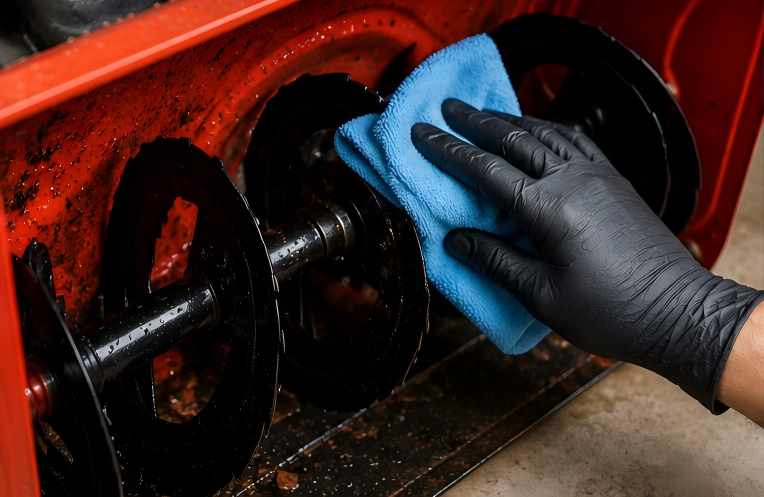
The climate in the summer is typically characterized by rain, and storage sheds or garages lacking air conditioning will quickly become like saunas. In the case where there is still any salt left from the winter road salt on the snow blower, it will cause corrosion of the machine during the summer.
- The items that need to be checked now: Carefully inspect the spiral drill, the blades of the impeller, and the interior of the metal discharge chute to see if there are any early signs of surface rust. More importantly, check the covering method of the machine. If you have tightly wrapped it with thick plastic sheeting, please remove it immediately. The plastic sheeting will trap moisture on the ground, and this moisture will evaporate from the concrete or dirt surface, creating a permanent “greenhouse effect” that causes the metal parts to rust within a few weeks.
- How to fix it: A wire brush and steel wool can be used to remove rust from the surface. Apply a thin layer of anti-rust silicone spray or high-quality outdoor equipment-specific paint to the exposed metal areas. The plastic cover should be substituted by fabric or an old cloth, because the fabric cover will keep the dust out while letting moisture evaporate into the environment.
Test the Flexibility of Fuel Lines and Belts
Shed temperatures during July and August can easily exceed 110°F (43°C). This extreme, dry ambient heat is brutal on rubber, plastic, and elastomer compounds, leading to a condition known as dry rot.
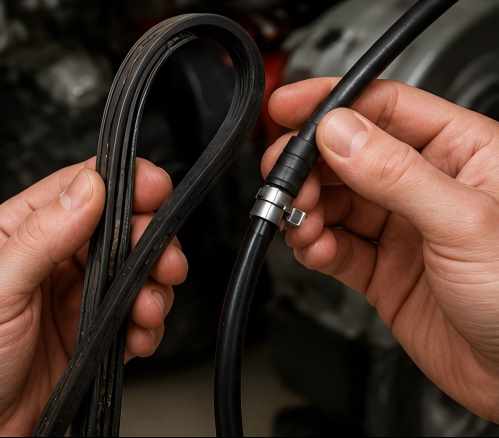
- What to check right now: Remove the belt cover to gain access to the interior pulley mechanism. Check both the drive belt and auger belt for any hairline cracks inside the V-channel, fraying, or indications that the belts are stretched out. Following that, switch to the engine and squeeze the rubber primer bulb while flexing the fuel line. The fuel line should be flexible, pliable, and return instantly to its original shape upon releasing pressure. If it is not, this indicates deterioration or failure.
- How to fix it: A brittle fuel line will eventually crack under the vibration of operation, leaking raw gasoline onto a hot engine next winter. A dry-rotted belt will snap the moment it faces the heavy load of wet snow. Summer is the perfect time to identify these compromised rubber parts so they can be replaced well ahead of the winter rush.
Inspect the Ignition System for Moisture and Rodent Damage
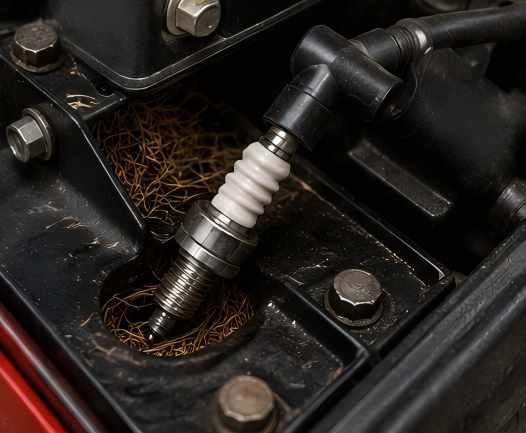
The electrical and ignition systems are highly appealing to two distinct summer hazards: condensation and pests. High summer humidity causes moisture to collect on metal surfaces, which can oxidize spark plug electrodes and ignition coil contacts. At the same time, an idle snow blower engine shroud provides the perfect, undisturbed summer home for mice looking to build nests.
- What to check right now: Inspect thoroughly around the engine cover, the electric start switch box, and the spark plug wire harness. Look for any signs of rodent activity, such as chewed wires, torn insulations, or accumulation of debris like acorns or dry grass, which indicate that rodents have been there.
- How to fix it: Disconnect the spark plug wire and unscrew the plug using a socket wrench. Check the end of the plug to see if there is any excess carbon accumulation or if there is any wet rust formed due to condensation of the summer. Clean the thread, gap, or replace the plug entirely if there is any oxidation on the electrode. If you want to keep the rodents away for the rest of the summer, clean any debris and put mouse repellents under the engine cover.
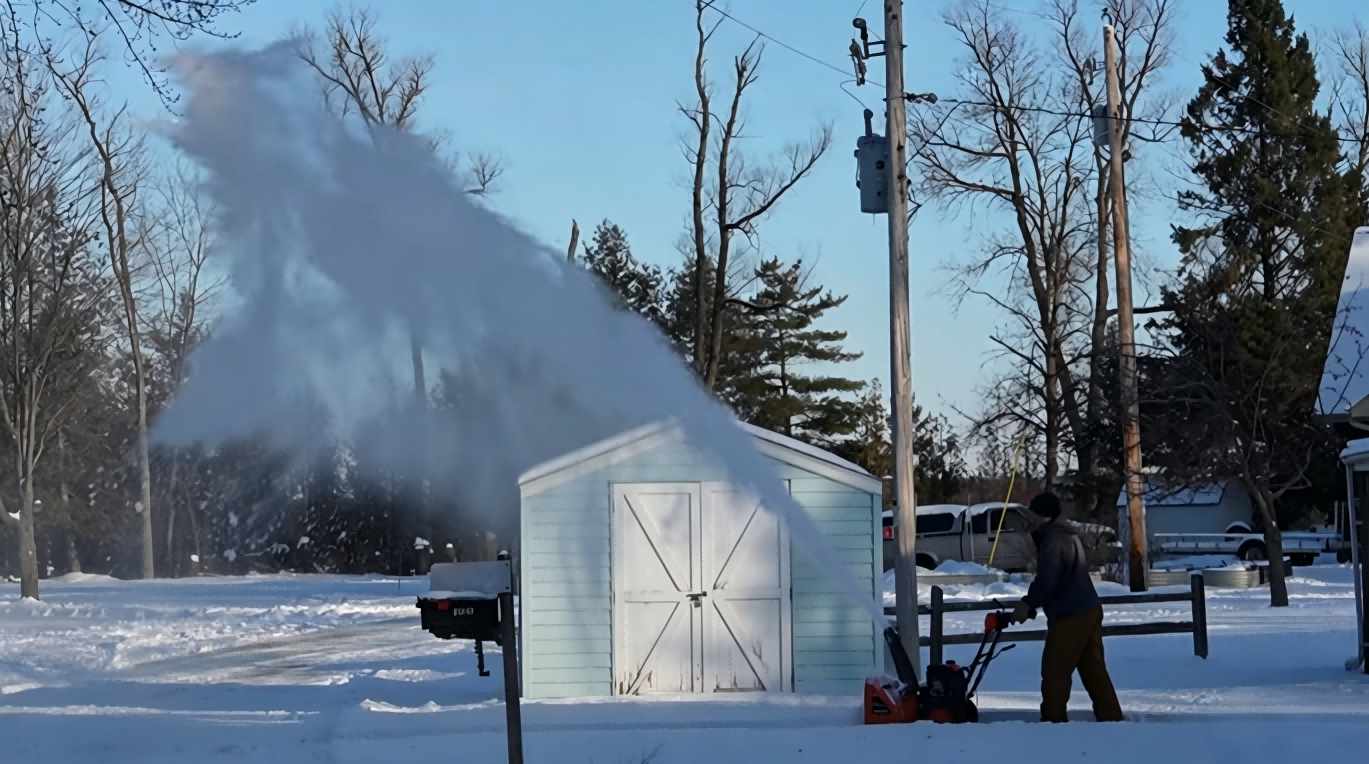
Storage of the snow blower should not only become a priority when winter comes to an end. Just take some time and spend 15 minutes ensuring that you do not have any problems with fuel, checking the condition of the metal chassis, testing rubber items, and protecting it from pests. It is better to change the old parts gradually, to clean the fuel system, and take care of mechanical elements without the threat of a snowstorm approaching.
When it is finally cold enough and there is the first snowfall, your equipment will be ready for use at any moment.





Leave feedback about this