

In the modern world, there is no need to sacrifice the convenience of contemporary life when going outside. It is necessary for campers to charge their laptops, have their cell phones charged all the time, and use projectors to watch films. Inverter generators appear to be the best option in this situation. Thus, can a generator provide safe electricity for all those devices at once?
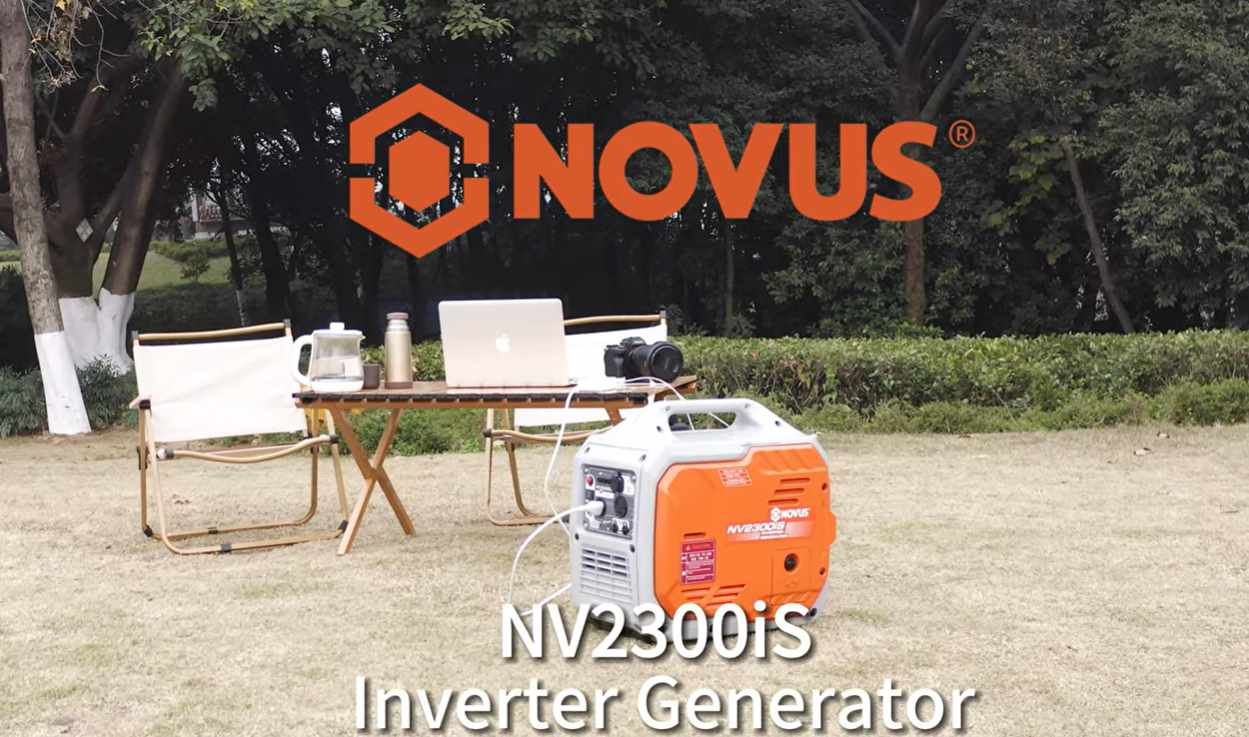
The Outdoor Power Problem – More Than Just Watts
Most people think about power in only one way: watts. A generator is labeled 2000 watts, so it should power anything under that limit. In reality, power quality matters just as much as wattage.
Think of electricity like water from a tap. Wattage is the amount of water flowing. Quality is how smooth and steady that flow is. A steady flow is easy to use. A sputtering, surging flow makes a mess.
The same happens with electricity. Some generators produce “dirty” power – the voltage jumps up and down, the frequency changes, and there are unwanted spikes. This dirty power works fine for simple things like light bulbs or a heater. But modern electronics like laptops, phones, and projectors expect clean, stable electricity, just like what comes from a home wall outlet. Give them dirty power, and problems start.
Why Some Generators Can “Kill” Electronics
Dirty electricity from cheap or old-style generators can cause real damage. The effects are not always immediate, but they add up over time.
The main reason is unstable waveform output. Without getting too technical, the electricity needs to form a smooth curve. Many conventional generators produce a blocky, rough signal. This forces every connected device to work harder to filter out the noise. Extra heat builds up, components age faster, and eventually something breaks.
Inverter generators are designed to solve this problem. They take raw power from the engine, convert it to DC, and then rebuild it into a much cleaner AC output. That clean output is what keeps expensive electronics safe. But how does a regular person know if a generator is truly safe, without reading complicated spec sheets?
Two Simple Tests to Verify Generator Safety
Reading product labels can be confusing. Words like “pure sine wave” or “low THD” may not be present, and even when they are, it is hard to verify. Fortunately, two extremely simple tests can show whether a generator produces clean enough power for sensitive electronics.
Test 1 – The Dimmable LED Lamp Test
Find a dimmable LED desk lamp – the kind with a control that changes brightness from low to high. Plug it into the generator and turn it on. Then slowly adjust the brightness up and down.
If the light stays steady and changes brightness smoothly without flickering, the generator’s power quality is good. If the light flickers, pulses, or shows erratic brightness changes, the generator’s output is too dirty for electronics. This test works because LED dimming is very sensitive to waveform shape. A poor waveform causes visible flicker instantly.
Test 2 – The Electric Toothbrush / Wireless Charger Test
Take an electric toothbrush charger (the small induction charger on the base of the toothbrush) or a regular wireless phone charger. Insert it into the generator, and then place the device on the charger.
Normal operating condition means that the toothbrush does not buzz abnormally during the process of charging and the wireless charger can effectively charge the mobile phone. However, if there is a loud buzzing sound from the charger, abnormal vibration from the charger, or interrupted phone charging, then this generator cannot be utilized for delicate electronics.
These two tests make use of ordinary household products. No special equipment is required to carry out these tests to determine power problems. If the generator passes these two tests, it will be safe to power laptops, mobile phones and projectors simultaneously.
How Much Power Do Your Devices Actually Need?
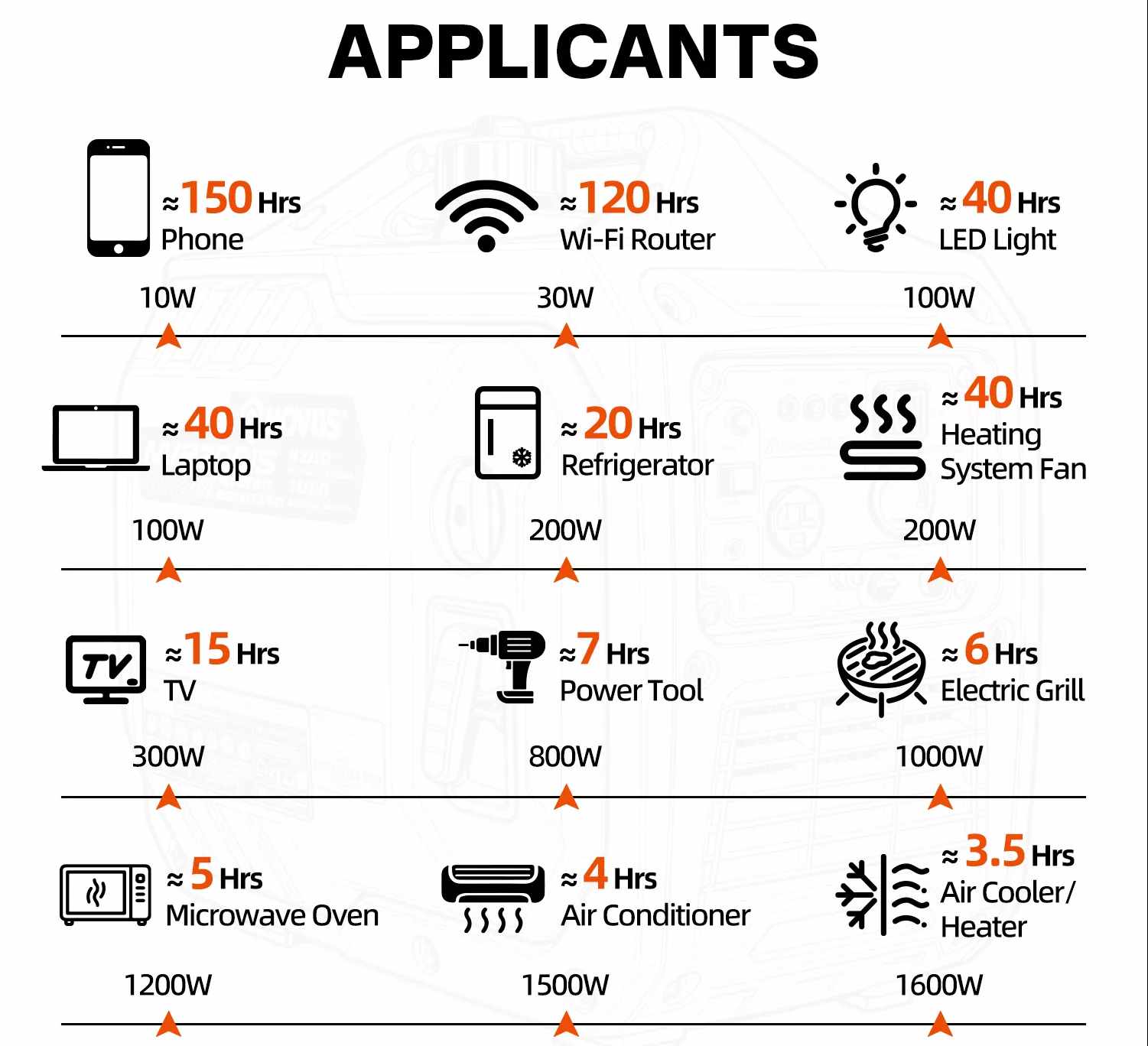
Even with clean power, a generator must have enough total capacity. Fortunately, most modern inverter generators have plenty of power for the typical outdoor electronics setup.
Below are realistic power consumption numbers for common devices:
- Laptop (charging while running): 50 – 100 watts
- Smartphone (rapid charging): 20 – 45 watts
- Portable LED projector: 50 – 150 watts (most use around 80)
- Small camping fridge: 60 watts
- Drone battery charger: 100 watts
- LED string lights: 10 – 30 watts
Now do a simple calculation. Add up the wattage of everything that will run at the same time. Then multiply the total by 1.2 to create a 20% safety margin. This safety margin prevents the generator from running at full load constantly, which can shorten its life.
Example calculation:
- Laptop: 65 watts
- Phone: 30 watts
- Projector: 80 watts
- Total before margin: 175 watts
- Multiply by 1.2 = 210 watts
The final number is only 210 watts. Even the smallest inverter generator on the market – typically rated at 1000 running watts – can handle 210 watts without any trouble. Most mid sized generators offer 1500 to 2000 running watts, leaving plenty of room for extra devices like a fan or a small fridge.
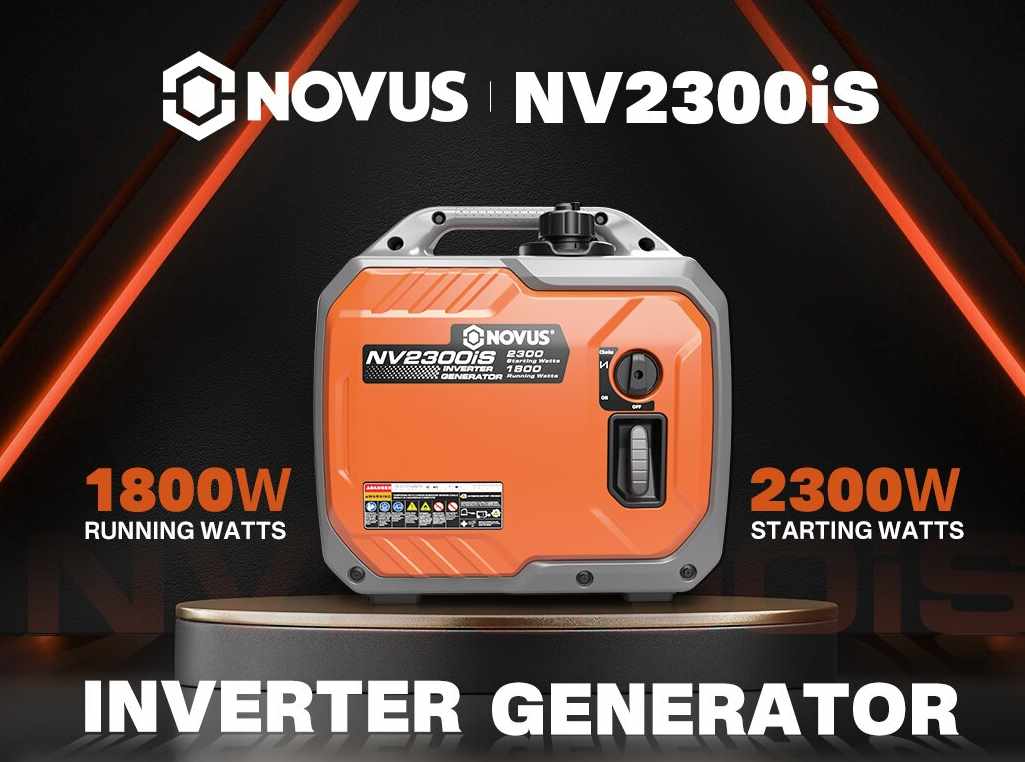
The key is to never exceed the generator’s rated running watts. Starting watts (sometimes called surge watts) are only for a few seconds when a motor starts. For laptops and electronics, always look at the running watts.
Related Articles: What Size Portable Generator Do I Need?
Frequently Asked Questions
Q: Can a laptop, phone, and projector all run at the same time without power issues?
A: Yes, as long as the total wattage stays under the generator’s running watts. Each device draws power independently – they do not compete with each other.
Q: What does it mean if the dimmable LED lamp flickers during the test?
A: That generator’s power quality is poor. Do not use it with laptops, phones, projectors, or any device that has a charger. It may still work for incandescent lights, simple fans, or space heaters that only use a resistance element.
Q: Is an inverter generator always safe for electronics?
A: Not automatically. Many inverter generators are safe, but the two simple tests confirm safety without trusting labels. Always test an unfamiliar generator before plugging in expensive gear.


Leave feedback about this