

Spring arrives, the driveway is finally clear, and your snow blower gets pushed to the back of the garage. But before you forget about it until November, there’s one task that most homeowners skip — and later regret: dealing with the fuel left in the tank.
So, should you drain fuel from your snow blower at the end of the season? The short answer is yes. If your machine will sit unused for more than 30 days, stale gasoline can quietly destroy your fuel system from the inside out. Ignoring it now could mean a carburetor repair bill of $100–$300+ next winter — or worse, a machine that simply won’t start during the first blizzard of the year.
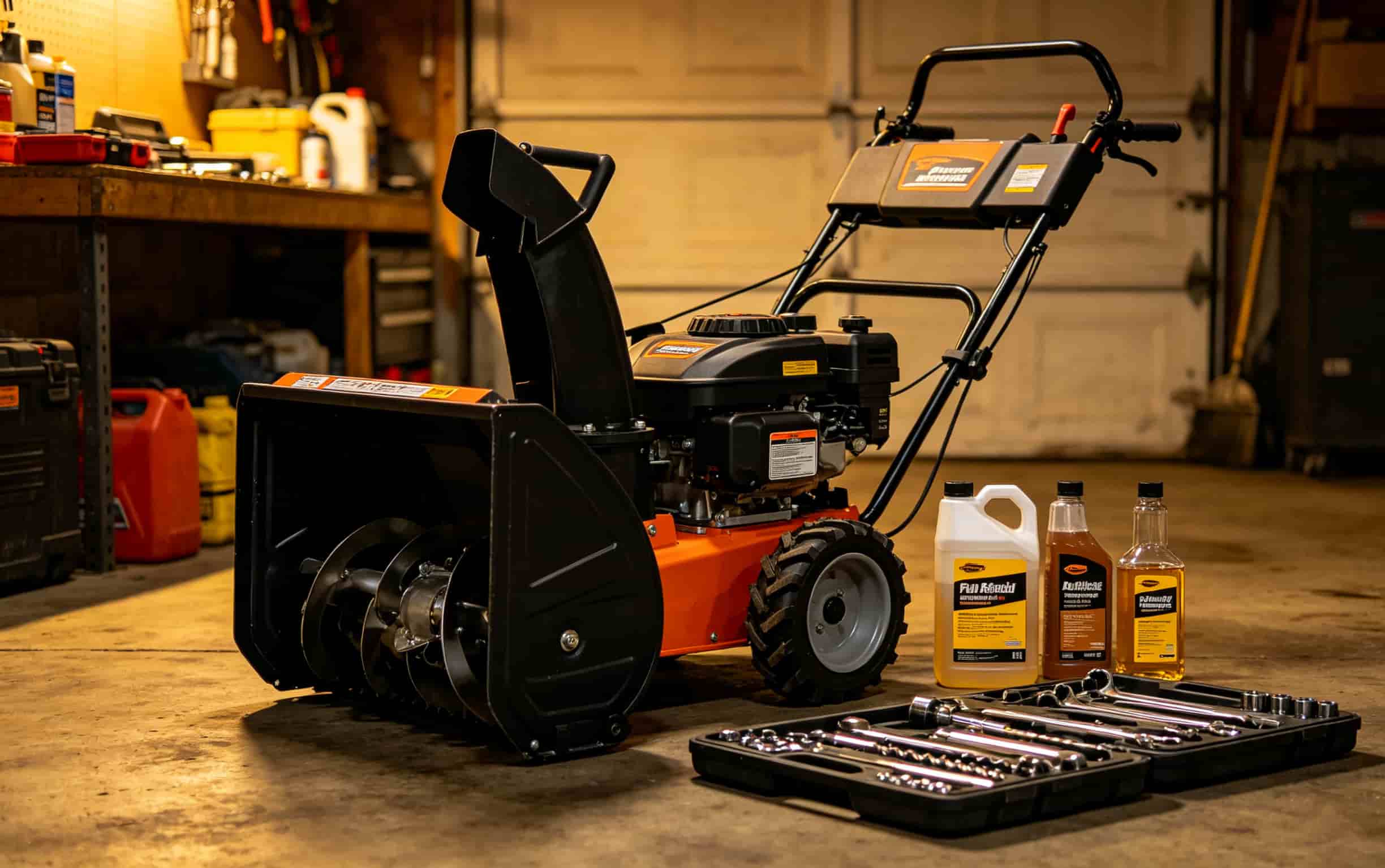
Why Old Gas Is Your Snow Blower’s Worst Enemy
Modern pump gasoline — particularly E10, the blend containing 10% ethanol — is surprisingly unstable when left to sit. Here’s what happens chemically over those idle summer months:
Ethanol attracts moisture. Ethanol is hygroscopic, meaning it pulls water vapor right out of the air. Over weeks, this moisture mixes with the fuel in a process called phase separation, where water and ethanol sink to the bottom of the tank as a corrosive layer completely separate from the gasoline above it.
Gum and varnish build up. As the lighter compounds in gasoline evaporate, they leave behind sticky gum and hard varnish deposits. These coat and clog the tiny jets and passages inside the carburetor — components so small that even a thin film of residue is enough to block fuel flow entirely.
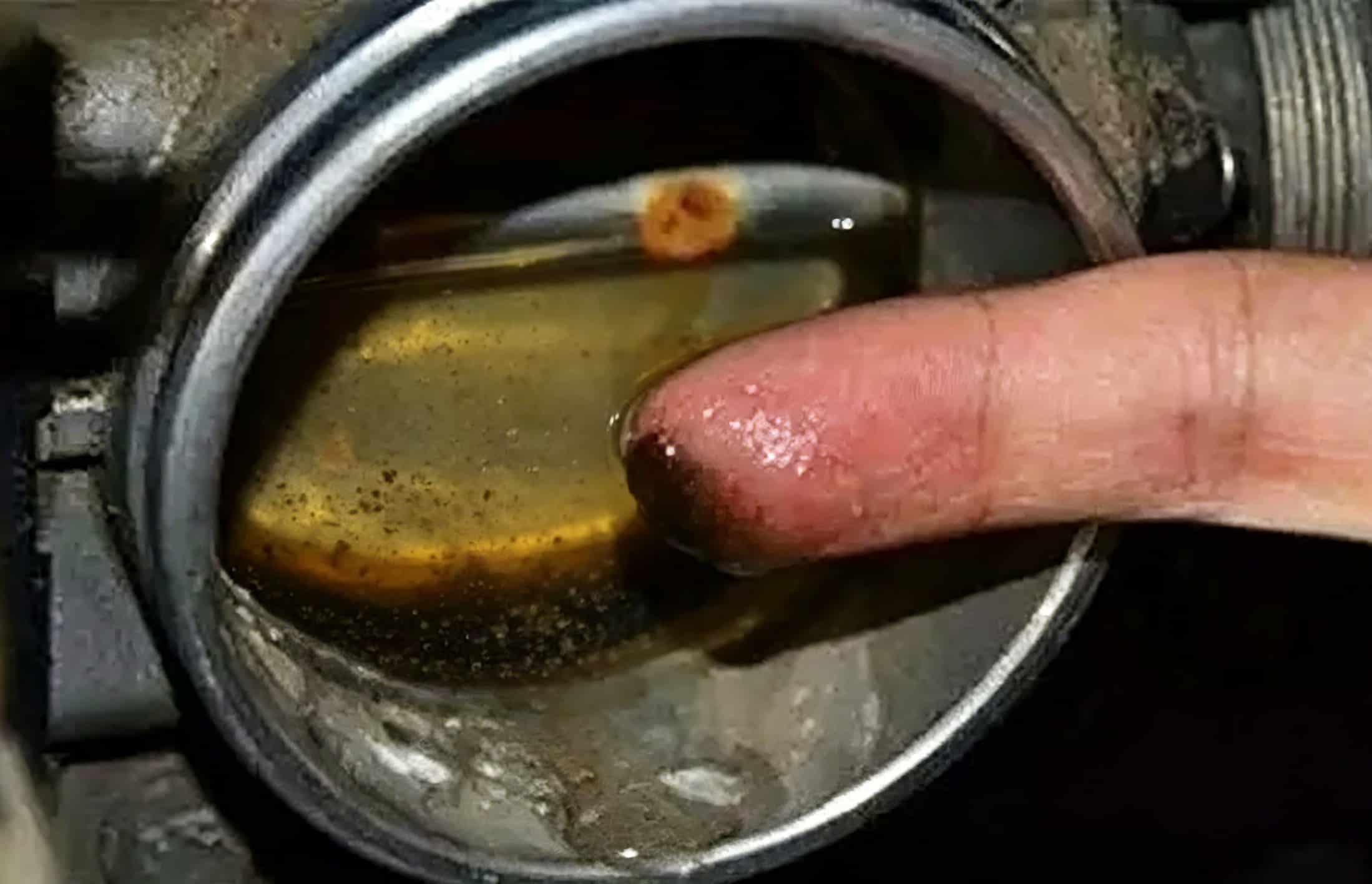
Corrosion attacks metal components. The ethanol-water mixture is mildly acidic and particularly aggressive toward the aluminum and brass parts found in most small-engine carburetors. Over a single off-season, it can pit and corrode internal surfaces that are nearly impossible to clean without a complete carburetor rebuild.
Two Methods: Drain vs. Stabilize
When it comes to end-of-season fuel management, there are two widely accepted approaches. Here’s how they compare:
| Method A: Drain Completely | Method B: Fuel Stabilizer | |
| How it works | Remove all fuel from tank and run engine dry | Fill tank, add stabilizer, run engine to circulate |
| Protection level | Maximum — no fuel, no risk | Good — up to 12–24 months |
| Best for | Storage 6+ months, older machines | Storage under 6 months, newer machines |
| Main drawback | Gaskets may dry out without fuel lubrication | Won’t save gas that’s already degraded |
| Effort | Moderate | Very easy |
Expert recommendation: If you plan to store your snow blower through an entire spring and summer — typically six months or longer — draining completely is the safer choice. However, if you’re using ethanol-free fuel (such as TruFuel or Briggs & Stratton Advanced), the fuel stabilizer approach works excellently, as ethanol-free gas is far more stable to begin with.
How to Drain Fuel from Your Snow Blower (Step-by-Step)
Learning how to drain fuel from a snow blower is easier than it sounds and takes about 15 minutes.
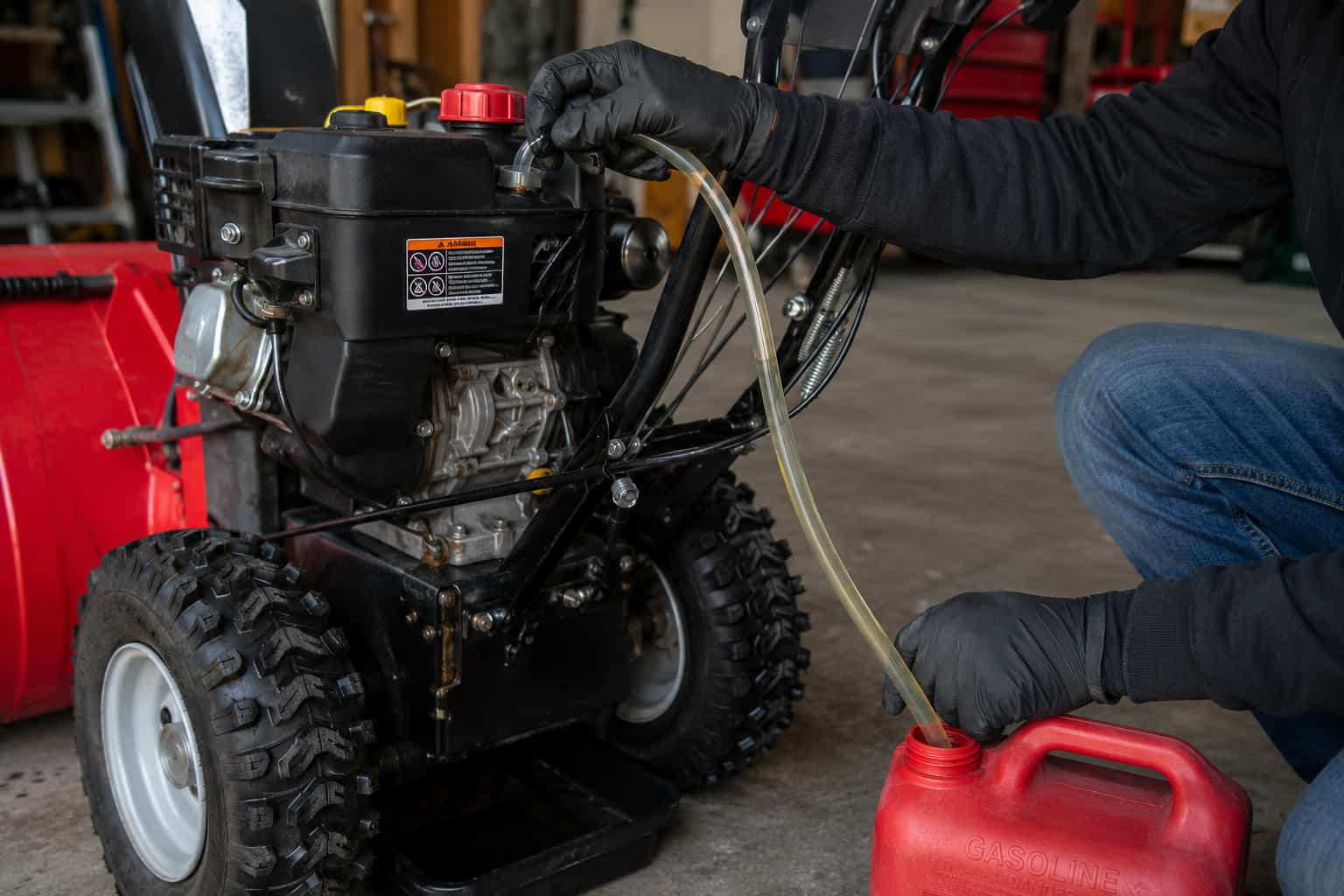
Preparation: Let the engine cool completely. Disconnect the spark plug wire — this is non-negotiable for safety. Set up your work area in a well-ventilated space away from open flames, and have an approved fuel-safe container ready.
Step 1 — Siphon the tank. Using a manual hand-siphon pump, draw as much fuel as possible from the tank into your container. Most siphon pumps cost less than $10 and pay for themselves immediately.
Step 2 — Run the engine dry. Restart the snow blower and let it idle. It will sputter and shut itself off as the remaining fuel in the fuel lines is consumed. This step is critical — it clears the lines between the tank and the carburetor.
Step 3 — Choke and restart. Pull the starter cord (or use the electric start) several times with the choke open. This ensures the carburetor bowl has been fully emptied of any residual fuel that might otherwise gum up over the summer.
Step 4 — Drain the carburetor bowl (recommended). On the underside of the carburetor, there is typically a small drain screw or bolt. Place a rag underneath, loosen the screw, and let the final few drops drain out. This step eliminates the last hiding place for fuel that can leave varnish deposits.
The Alternative: Using a Fuel Stabilizer for Your Snow Blower
If draining feels like too much work — or if you want to keep the fuel system lubricated — using a fuel stabilizer for your snow blower is a legitimate and widely recommended alternative.
Step 1: Top off the tank to about 95% full. A fuller tank leaves less air space for condensation to form, which reduces moisture buildup.
Step 2: Add a high-quality fuel stabilizer such as STA-BIL 360° at the ratio specified on the label (typically 1 oz per 2.5 gallons). Products formulated specifically for ethanol-blended fuel offer the best protection.
Step 3: Run the engine for 5–10 minutes. This circulates the stabilizer-treated fuel through the entire fuel system — tank, lines, and carburetor — so every component is protected.
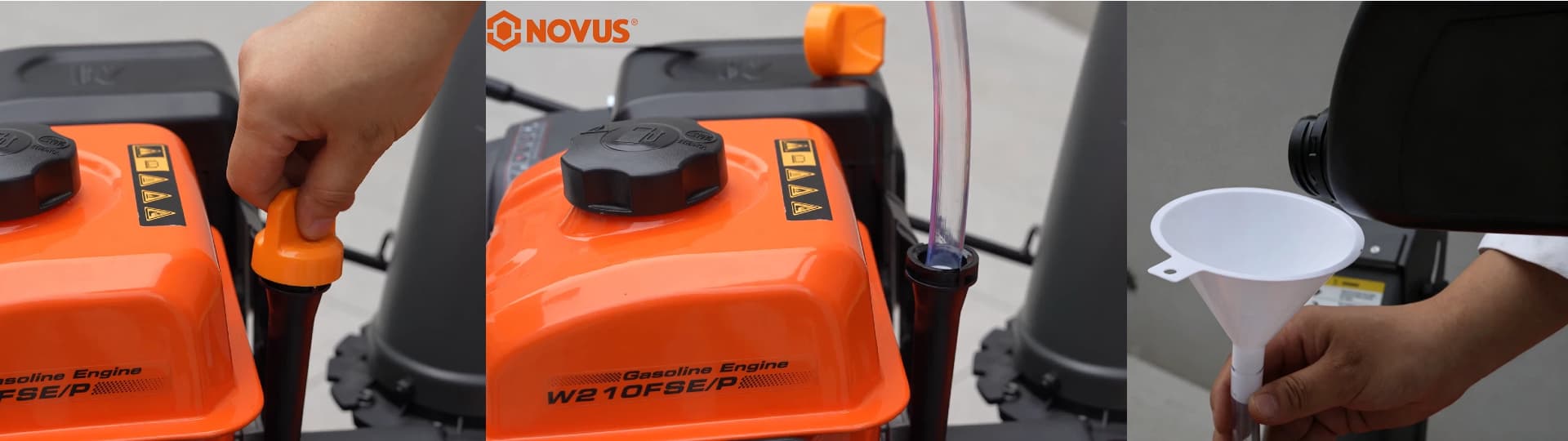
One important caveat: a fuel stabilizer for your snow blower works only on fresh gasoline. If your fuel is already 30 or more days old, the degradation process has already begun, and adding stabilizer at that point is largely ineffective.
While You’re at It: Other Spring Tune-Up Essentials
A few extra minutes now will save hours of frustration in November:
Change the oil. Drain the old oil while the engine is still slightly warm so it flows easily. Used oil contains acidic combustion byproducts that can corrode engine internals over a long storage period. Refill with fresh oil at the manufacturer’s recommended grade.
Inspect the spark plug. A fouled or worn plug is one of the most common causes of hard starting. A replacement plug costs about $5 — far less than a service call.
Protect exposed metal. Apply a light coat of spray lubricant to the auger, chute, and any unpainted metal surfaces to prevent rust. Check the scraper bar and skid shoes for wear while you’re at it.
Store it properly. Keep the machine in a dry, ventilated space. A breathable cover is ideal — it keeps dust and moisture out without trapping condensation the way a plastic tarp can.
The Bottom Line
Spending 15 minutes now to properly drain fuel from your snow blower — or treat it with a quality fuel stabilizer — is the single most effective thing you can do to guarantee a reliable start next winter. It protects against corroded carburetors, stuck jets, and phase-separated fuel, all of which can leave you stranded in a snowstorm with a machine that won’t cooperate.
Related Reading:5 maintenance tips for snow blowers in summer


Leave feedback about this