

When the snow season ends, many people simply put the electric snow blower in the garage and forget about it. They only use it when it snows again. Although the maintenance cost of electric snow blowers is indeed lower than that of gas-powered models, they still need some care.
The heat and moisture during summer, together with prolonged storage, can very well harm the battery and circuitry. It is now an ideal time to take care of the snow blower that was not used for months. Give 5 maintenance tips that will help protect the machine and increase its lifespan.
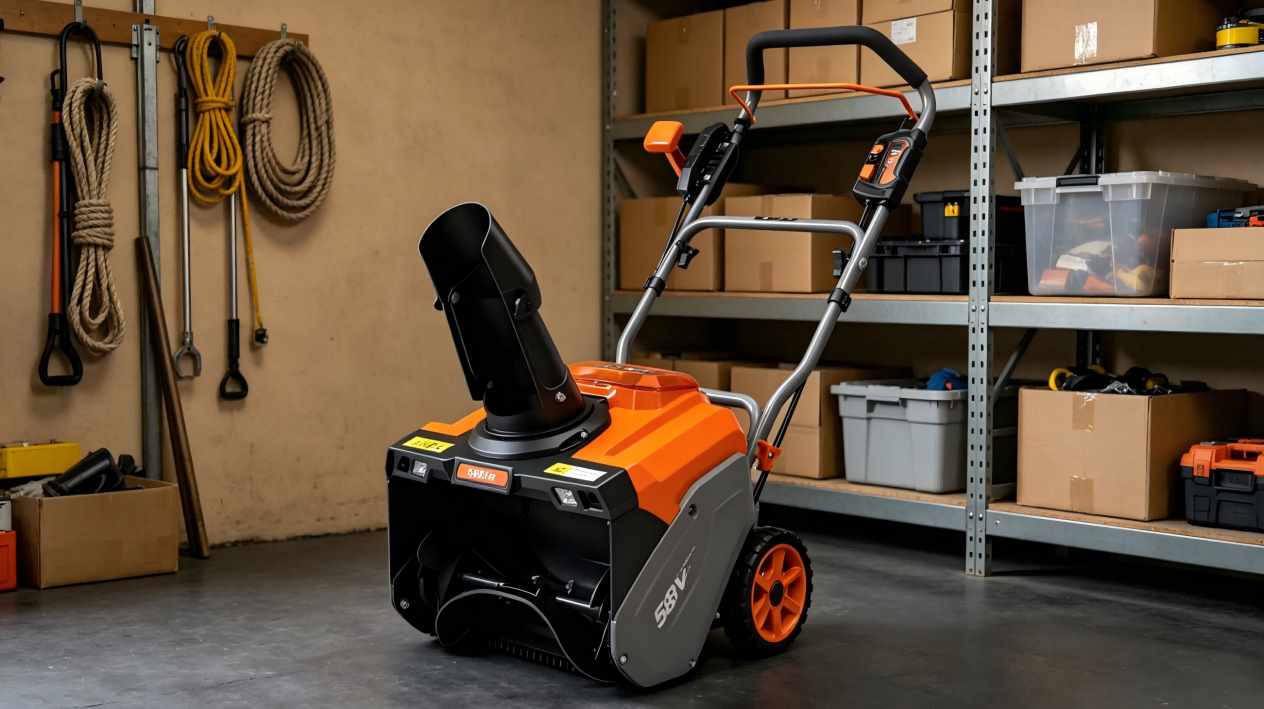
Check the Battery Charge Level
The battery is the most important component of the cordless electric snow blower. Therefore, when storing it in summer, you should first check the battery’s charge level.
Most lithium-ion batteries will gradually discharge even when not in use. If the battery remains in a discharged state for a long time, it may result in permanent capacity loss.
When storing the battery for a long time, it is generally recommended to keep the battery charge at around 40% to 60%. If the battery charge is far below this range, please follow the manufacturer’s instructions for charging.
As part of the regular maintenance for the electric snow blower, it is recommended that you check the battery charge every two to three months during the non-operational season.
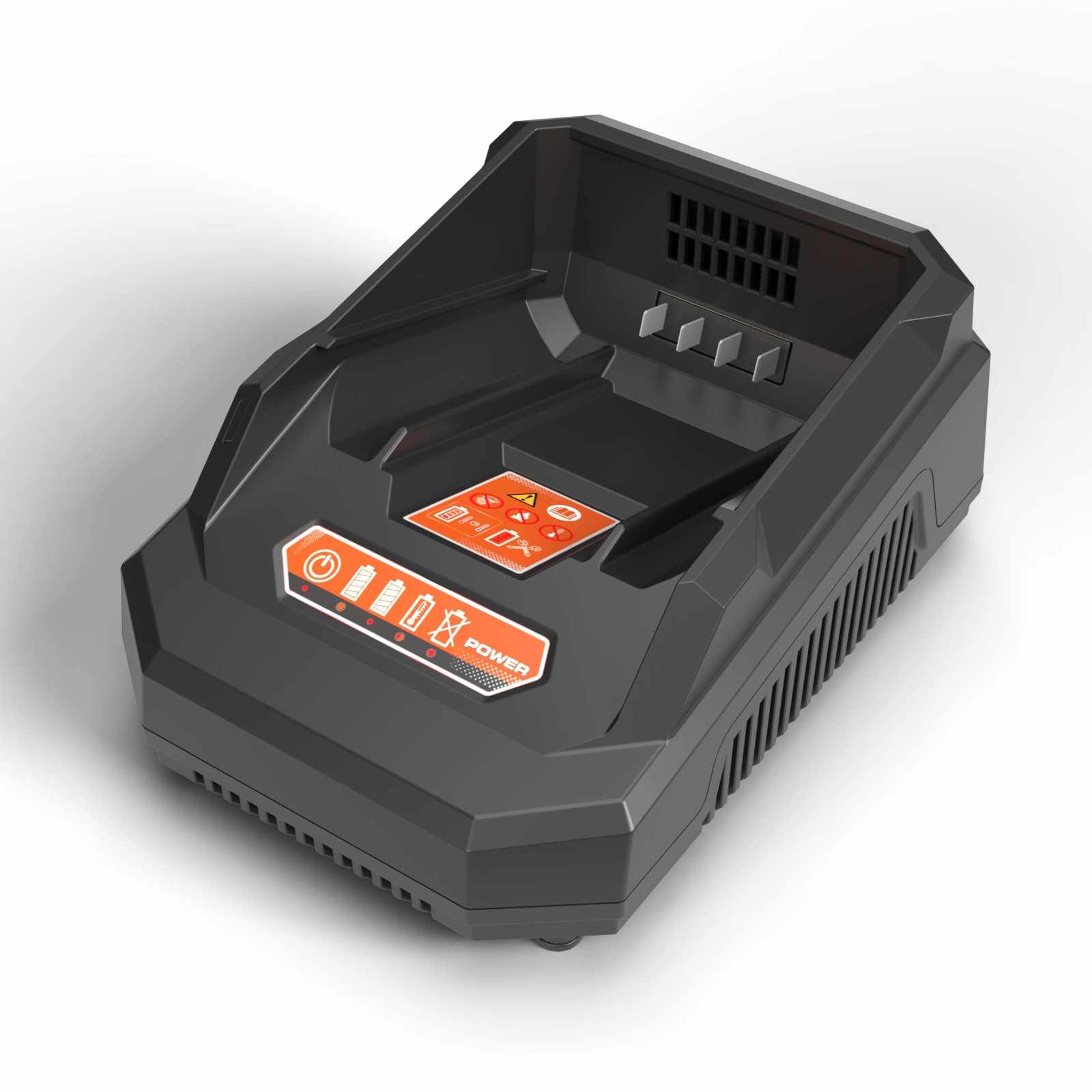
Inspect the Battery for Swelling or Damage
High temperatures in summer can accelerate the aging of batteries, especially when they are stored in garages, sheds or other places where the temperature is not controlled.
Carefully inspect the battery pack for:
- Swelling or bulging
- Cracks in the casing
- Corrosion around terminals
- Signs of leakage
- Unusual odors
In the case of a lithium battery malfunction, refrain from further usage of the battery as well as recharging the battery. With the performance of thorough testing in the summer storage season, one will be able to detect issues that arise beforehand; it will be better to perform such actions compared to facing a critical situation in the winter season. Regular daily checks can also help replace aging batteries in time to prevent sudden failure and effectively extend the overall lifespan of the battery.
Verify Storage Temperature Conditions
Temperature plays a vital role in determining how long batteries last. The practice of storing snow blowers in the garage is common among many individuals. Nonetheless, the temperature within the garage tends to increase very fast when summer comes. While it might be able to withstand the heat, lithium batteries cannot tolerate changes in temperature.
Ideally, batteries should be stored in:
- A cool, dry location
- Away from direct sunlight
- Away from heaters or hot vehicles
- Areas with stable temperatures
If the temperature in your garage frequently exceeds 90°F (32°C), please consider moving the battery to a space with controllable indoor temperature.
Protecting the battery from overheating can significantly enhance its long-term performance and help maintain its overall capacity.
Clean Dust and Moisture From Battery Contacts
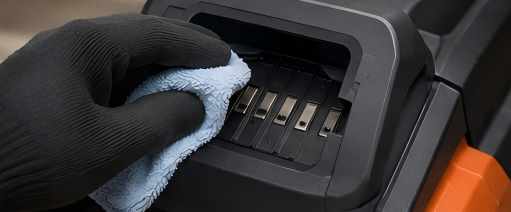
Even when not in use, dust, moisture, and oxidation can accumulate on battery terminals and charging contacts.
Remove the battery and carefully inspect:
- Battery terminals
- Charging ports
- Electrical connectors
- Contact surfaces
A clean, dry cloth should be used to clear dust and other matter. When light corrosion exists, you should follow the manufacturer’s guidelines on cleaning.
An effective electrical connection guarantees efficiency in charging and proper functioning when the snow blower is required. This task is not complicated and will take you less than five minutes.
Perform a Mid-Summer Readiness Check
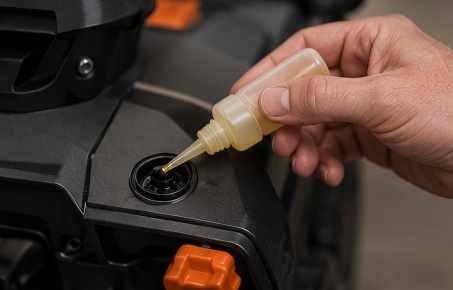
Owners often only realize whether their equipment is still functional when the first snowstorm hits. An easy way to find out whether there is anything wrong with your machine is simply to perform a short test.
Start by re-installing the battery and checking whether:
- Power switch operation
- Safety features
- Auger controls
- Battery indicator lights
- Charger functionality
You do not need to run the machine extensively. The goal is simply to confirm that all major systems remain functional after months of storage.
A mid-summer readiness check provides peace of mind and allows time to address any problems before winter arrives.
Electric vs. Gas Snow Blower Summer Maintenance: What’s Different?
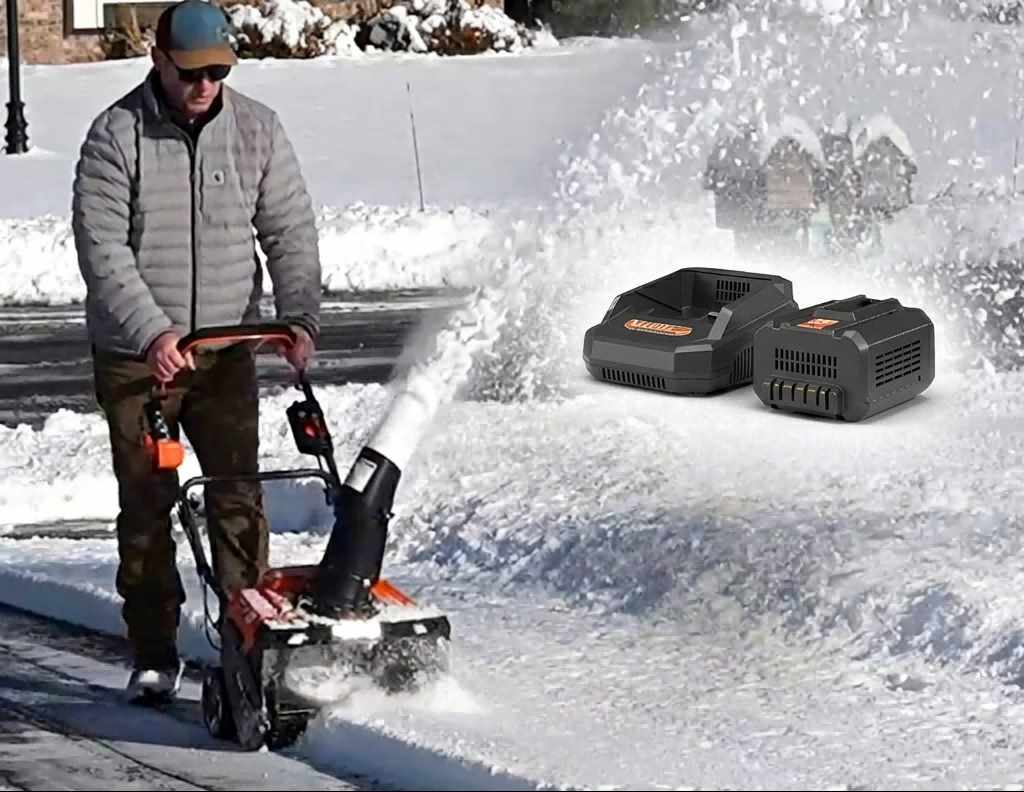
One of the biggest advantages of electric snow blowers is their simplified maintenance requirements.
The gas snow blower consists of engine parts, fueling equipment, and oiling systems, which must be checked regularly throughout the entire year. However, this problem is not present when dealing with the electric snow blower, as the owner will be concerned only about the batteries.
The following table highlights the key differences:
| Maintenance Task | Electric Snow Blower | Gas Snow Blower |
| Battery charge monitoring | Required | Not applicable |
| Battery temperature management | Required | Not applicable |
| Battery contact cleaning | Recommended | Not applicable |
| Fuel stabilizer treatment | Not required | Recommended |
| Fuel draining | Not required | Often required |
| Oil changes | Not required | Required |
| Spark plug inspection | Not required | Recommended |
| Carburetor maintenance | Not required | Recommended |
| Mid-season operational test | Recommended | Recommended |
| Overall summer maintenance workload | Low | Moderate to High |
Although electric snow blowers need minimal maintenance, the importance of battery maintenance should not be underestimated. Battery maintenance is crucial since it will influence how well the snow blower performs and its lifespan.
If you own a gas-powered model, be sure to read our guide: Snow Blower Summer Storage: 4 Things to Check Right Now.
All you need is a little time spent working on your battery in the summertime, and then there won’t be a big problem with expensive fees to replace your battery come the winter snow season. Take care of your electric snow blower battery before the first snowfall comes along.


Leave feedback about this