

Friends who enjoy growing flowers and vegetables in their yards must know how hard it is to loosen the soil. Using traditional tools is not only tiring but also inefficient. If you want to make taking care of your garden easier, choosing a tiller is the best option. However, when faced with the gas tillers and electric tillers available on the market, how should we make a choice?
In fact, it’s impossible to simply say whether it’s a gas or electric tiller. The best choice actually depends on your gardening style, not just power or price. Factors such as garden area, soil condition, usage frequency, and long-term maintenance will all affect which cultivator truly suits your needs. This article adopts a select-based approach to explore electric vs gas garden tillers, helping you understand the best uses of each type of tiller, so that you can choose a suitable tiller for your garden.
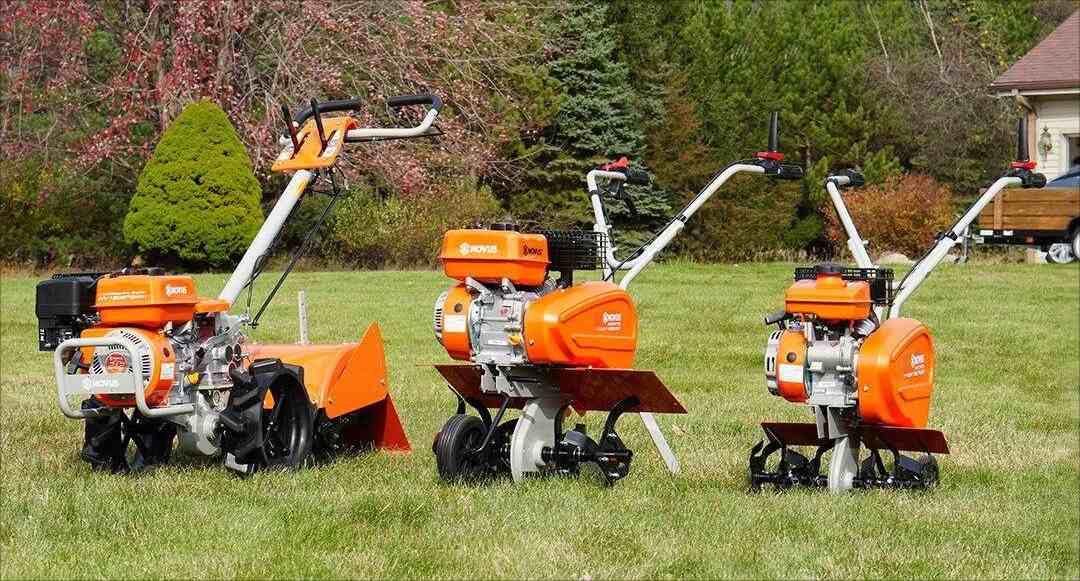
Understanding Garden Tillers: Gas vs Electric
Before making a performance comparison, it is beneficial to know the different types of garden tillers and their usual applications.
What Is A Gas Garden Tiller?
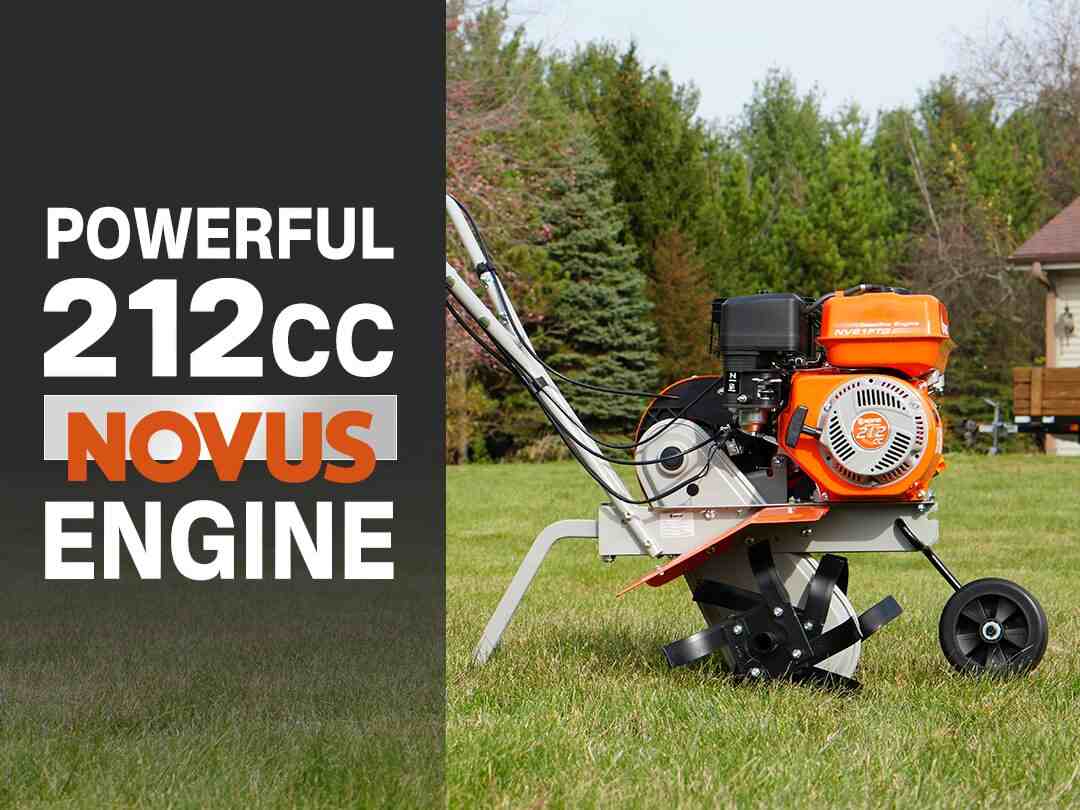
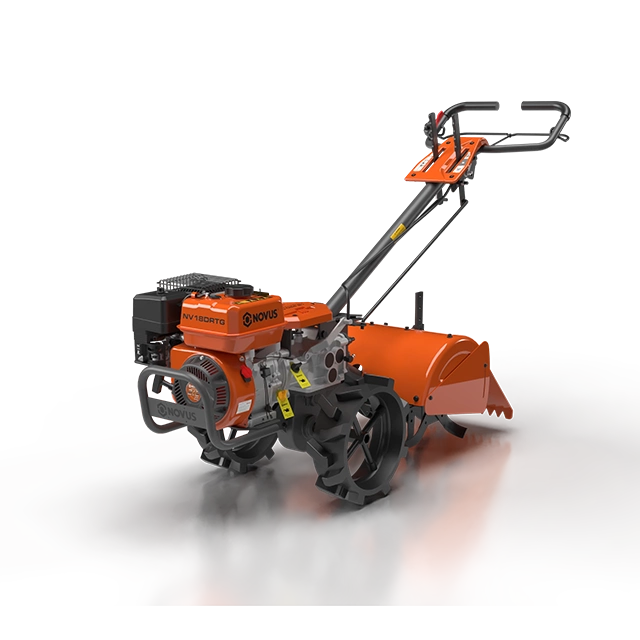
Gasoline engine powers a gas garden tiller, and the engine’s capacity typically falls in the range of 150cc to 200cc+, depending if it is for home or semi-professional use. These machines are built to give out a steady amount of torque as a result they can easily till through compacted soil, roots, and even heavy ground conditions.
Gas tillers are mostly selected for:
- Medium and large home gardens
- Soil that is dense or has not been worked on previously
- One-time or repetitive tilling tasks
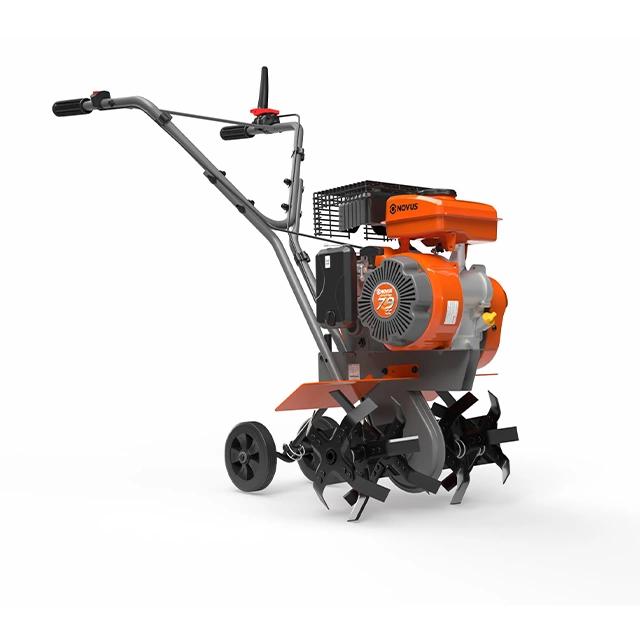
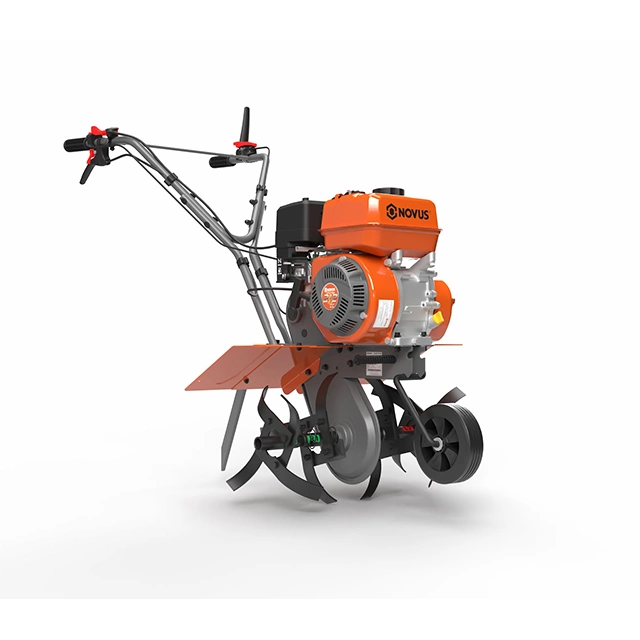
They come in two configurations: front-tine and rear-tine. Front-tine models are designed to give the home-user a combination of control and maneuverability.
What Is an Electric Garden Tiller?
Electric garden tillers work with the aid of either a power cord or a rechargeable battery. The emphasis of their design is on convenience, lighter weight, and easy long-term storage rather than on raw capacity for digging.
Electric tillers are typically applied to:
- Small gardens or raised beds
- Loose and cultivated soil
- Light occasional seasonal maintenance
They operate more quietly and thus, require less maintenance; however, their performance is restricted as the soil resistance increases.
How to Choose Between a Gas and Electric Garden Tiller
Selecting the right tiller is less about brand or engine type and more about how specific factors align with your gardening needs. The sections below break down the most important decision points.

Garden Size: The First Selection Filter
Garden size is a factor that is often quite easy to consider first.
- Small gardens (less than 200 m²):
Electric tillers are, as a rule, enough. Their lighter weight and compactness make them easy to control even in the smallest spaces.
- Medium gardens (200–500 m²):
Here, the decision is no longer easy. The soil condition and frequency of use become more important than size alone.
- Large gardens (more than 500 m²):
Gas tillers are generally more advantageous and less operators exhaustion during long working hours.
With the increase in garden size, the factors of efficiency and consistent power output have become more important than convenience alone.
Soil Condition: Where Performance Differences Become Clear
Soil resistance is one of the biggest differentiators between electric and gas tillers.
- Light, sandy, or previously worked soil:
Electric tillers can easily handle routine loosening and mixing. - Clay, compacted soil, or root-filled ground:
Higher torque becomes essential. Gas tillers maintain steady performance without repeated passes. - Breaking new ground:
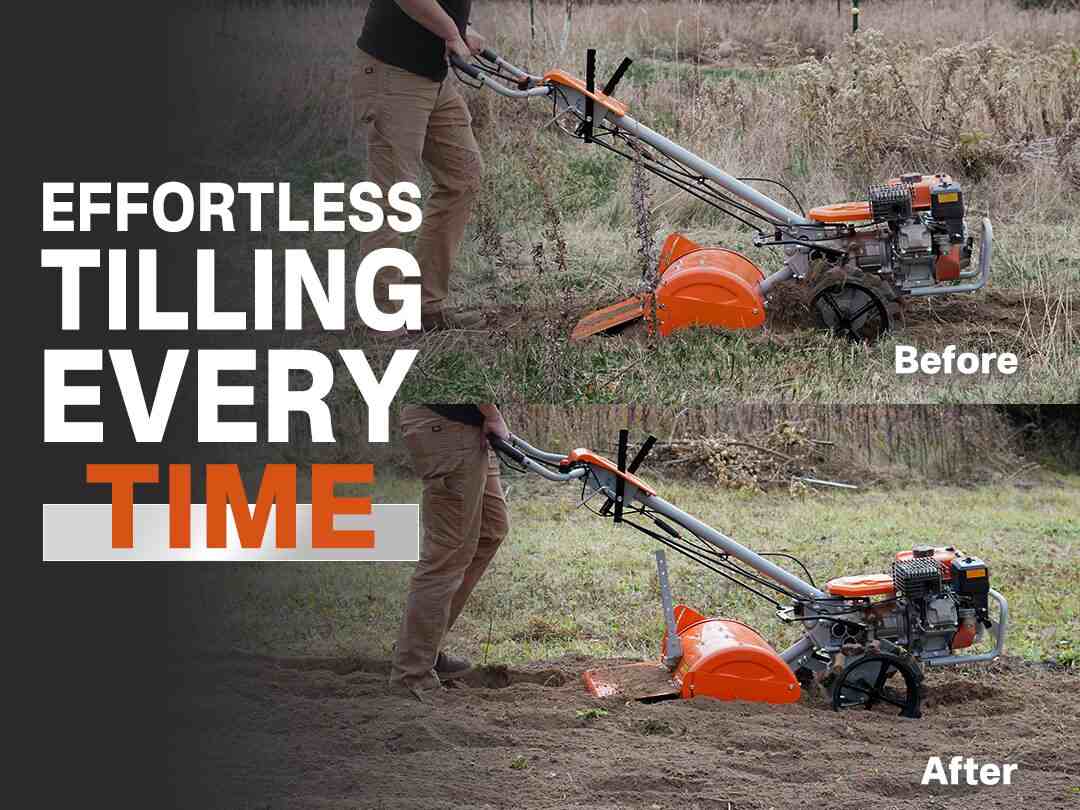
This task often exceeds the realistic capability of electric models. Gas engines provide the sustained power needed for deeper penetration.
As soil resistance increases, consistent power delivery matters more than simplicity.
Frequency of Use: Occasional vs Seasonal Work

How often you plan to till also affects the right choice.
- Once or twice per year:
Electric tillers are generally adequate and cost-effective. - Every planting season:
Gas tillers are better suited for repeated use and long-term durability. - Multiple garden sections or longer work sessions:
Gas models reduce downtime and operator strain.
Choosing a tiller with more capacity than you need is unnecessary—but choosing one with too little can quickly become frustrating.
Power, Control, and Ease of Operation
Power is not just about engine size—it’s about how controllable that power is during use.
Electric tillers:
- Start instantly
- Are easy to maneuver
- May require repeated passes in firm soil
Gas tillers:
- Maintain steady forward progress
- Handle resistance with fewer interruptions
- Offer better depth consistency
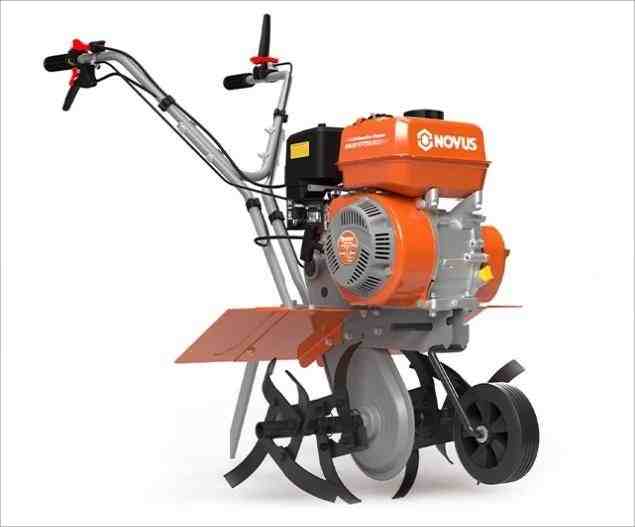
Front-tine gas tillers, in particular, provide a good balance between power and maneuverability, making them suitable for home gardeners who want control without excessive machine weight.
Convenience Factors: Noise, Mobility, and Independence
Convenience means different things to different users.
- Noise:
Electric tillers are quieter and better suited for noise-sensitive neighborhoods.
- Mobility:
Electric tillers depend on power outlets or battery capacity. Gas tillers operate independently of power sources.
- Garden location:
For gardens far from buildings or power access, gas tillers offer greater flexibility.
Electric models prioritize ease of use, while gas models prioritize operational independence.
Maintenance and Long-Term Ownership
Maintenance expectations should factor into any purchasing decision.
Electric tillers:
- Minimal maintenance
- Fewer moving parts
- Limited service life under heavy use
Gas tillers:
- Require basic engine maintenance
- Offer longer service life
- Provide more consistent performance over time
NOVUS gas tiller for garden comes with a two-year limited warranty and lifetime free technical support from professional technicians.
Decision Checklist: Which One Fits Your Garden?
The table below summarizes the key decision factors to help you quickly identify whether a gas tiller or an electric tiller is the better fit for your garden.
| Decision Factor | Electric Garden Tiller | Gas Garden Tiller |
| Garden Size | Best for small gardens and raised beds | Better for medium to large gardens |
| Soil Condition | Loose, sandy, or already cultivated soil | Compacted, clay-heavy, or partially unworked soil |
| Breaking New Ground | Not ideal for first-time tilling | Well-suited for breaking new ground |
| Frequency of Use | Occasional use (1–2 times per year) | Seasonal or repeated use |
| Power & Tilling Depth | Suitable for shallow tilling | Consistent power for deeper tilling |
| Mobility & Power Access | Requires nearby power outlet or charged battery | Independent of electrical power |
| Noise Level | Quieter operation | Louder but manageable for outdoor use |
| Ease of Operation | Lightweight and easy to handle | Heavier but more stable during operation |
| Maintenance | Minimal maintenance required | Basic engine maintenance needed |
| Long-Term Durability | Best for light-duty tasks | Designed for long-term, heavier-duty use |
How to Use This Checklist
- If most of your needs align with the left column, an electric garden tiller is likely sufficient.
- If you find yourself checking more boxes in the right column, a gas tiller will offer better long-term satisfaction and performance.
In conclusion
None of the options, gas or electric tillers, can be declared superior or inferior. Each type of tiller has its pros and cons, and the decision must be based on the size of the garden, the type of soil, the frequency of use, and the expectations for the machine’s lifespan.
Electric tillers perform especially well in light-duty applications because they are very user-friendly and very convenient to use. In contrast, gasoline tillers give the user stability, the ability to work in different places, and longevity even in the tough conditions of a big garden. Rather than power hunting, concentrate on the tiller’s fit, which will tie you down to a lifelong working relationship with the tool.


Leave feedback about this