

For most people, when they want to prepare new land for planting and confront the daunting task of transforming this lawn into tillable land, the first piece of equipment that comes to mind is the front tine tiller. It is compact in size, more cost-effective compared to the rear tine tiller, and can be accommodated in the garage.
However, a key question is: Can a front tine tiller actually break new ground? Although it can accomplish this task under certain conditions, its capabilities are limited compared to more heavy-duty equipment. Before relying on it for initial cultivation, we need to thoroughly understand the advantages and disadvantages of these machines.
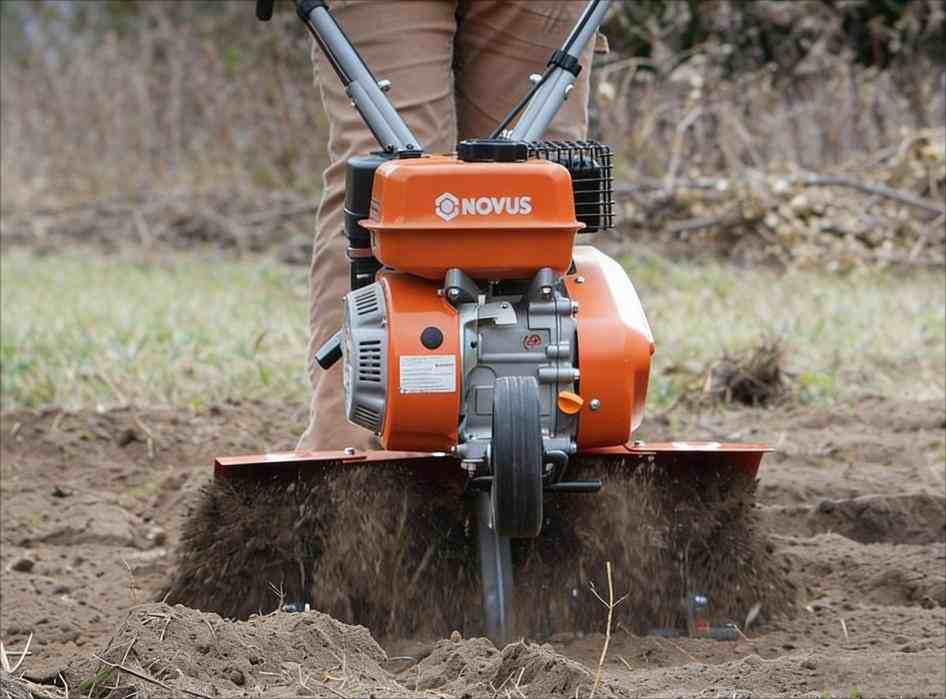
Can a Front Tine Tiller Break Ground?
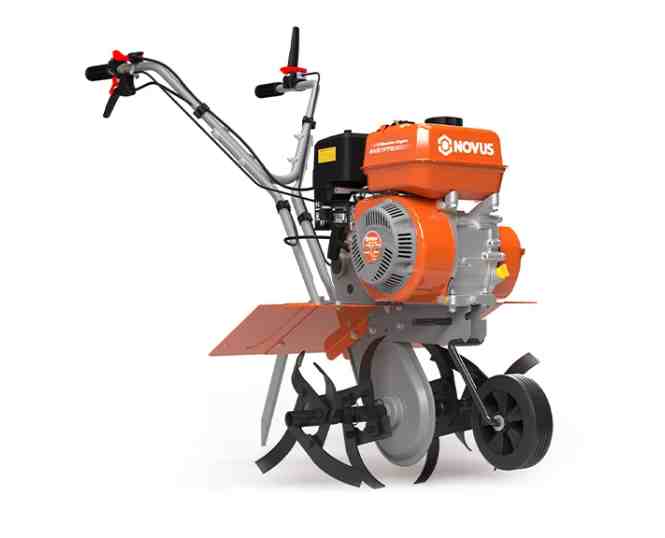
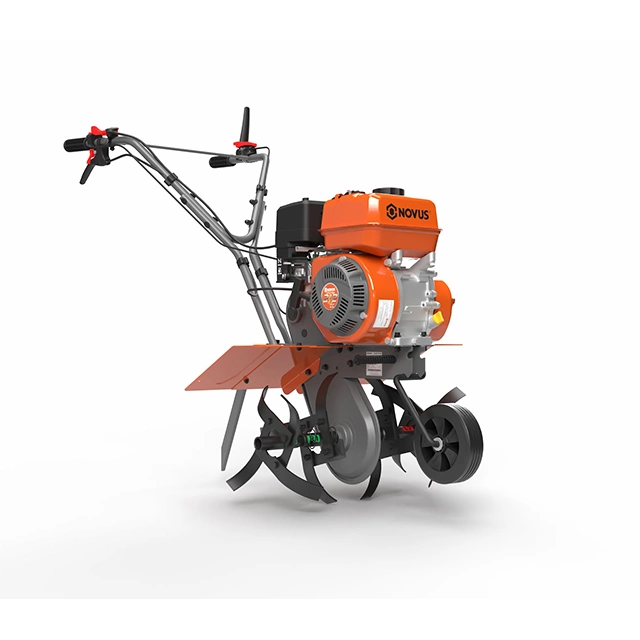
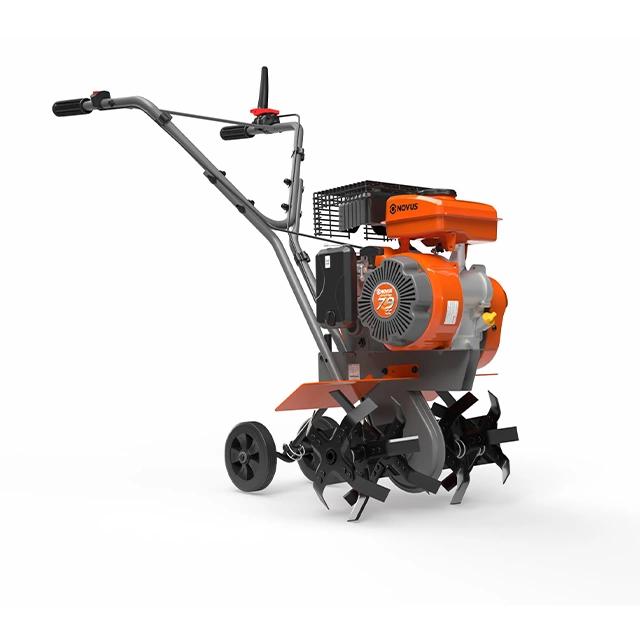
The short answer is: Yes, but with significant caveats. A front tine tiller is designed with the tines (the rotating blades) positioned at the front of the machine, directly under or slightly ahead of the engine. The wheels are located at the back. Because the engine’s weight sits over the tines, it provides a decent amount of downward force. However, because the tines are also the primary source of propulsion, the machine is essentially “pulling” itself forward while trying to dig downward.
It Works — But Only in Light Conditions
If your “new ground” consists of loose, sandy soil that has been previously worked within the last few years, or if you are simply expanding an existing garden bed into an area with thin, patchy grass, a front tine tiller will likely get the job done.
In these light conditions, the tines can penetrate the surface without much resistance. You can achieve a depth of 6 to 8 inches by making multiple passes. In this scenario, the front tine tiller is an excellent, cost-effective tool. It’s maneuverable enough to get into corners and light enough that you won’t feel like you’re wrestling a bear.
It Doesn’t Work Well for Real Breaking Ground
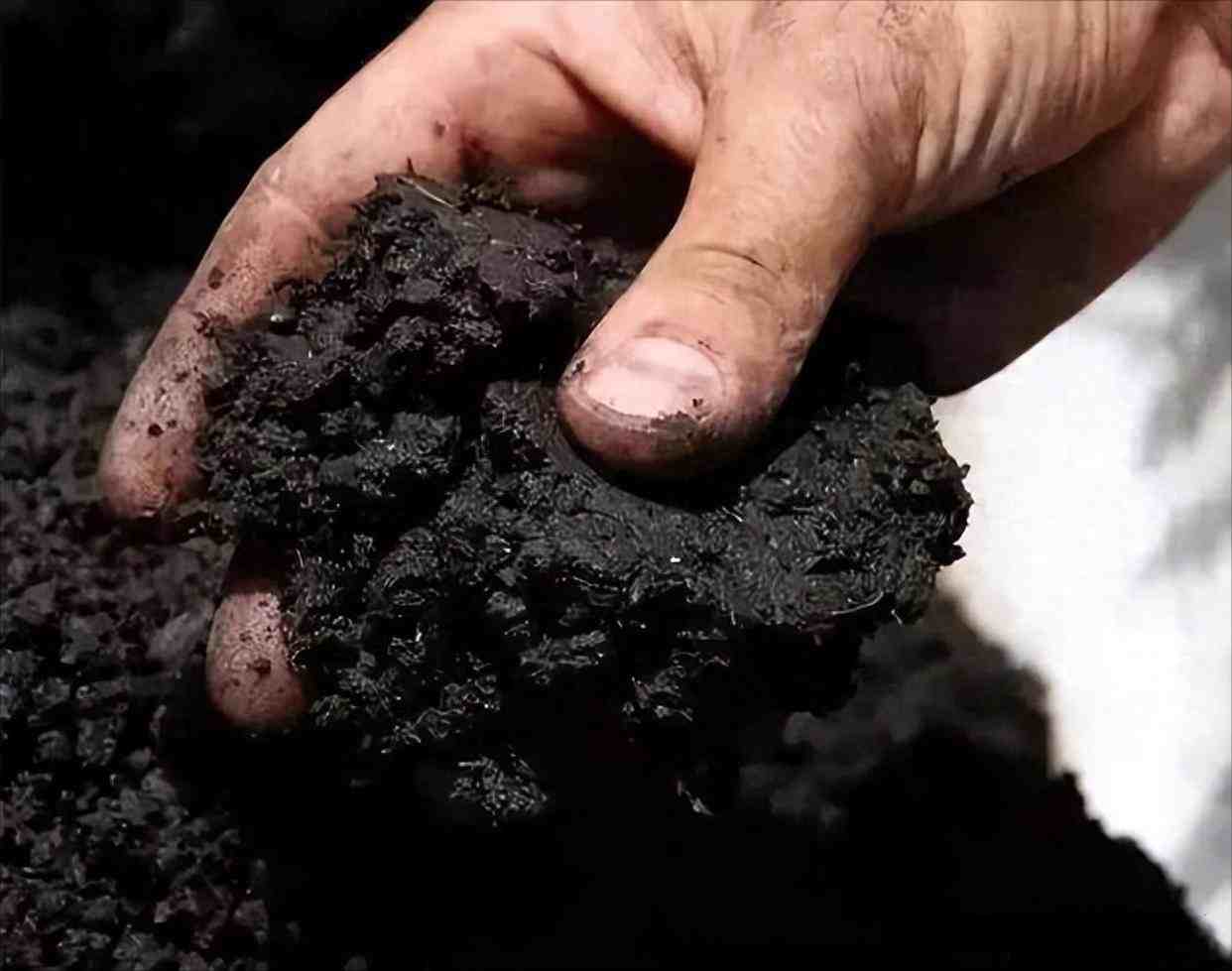
If “breaking ground” means tackling virgin soil, heavy clay, or thick, established sod, the front tine tiller often meets its match.
Real ground breaking requires two things: weight and counter-rotation. Front tine tillers generally lack both. Because the tines rotate in the same direction as the wheels move (forward), the machine has a natural tendency to “walk” or “skitter” across the surface of hard ground rather than digging into it. If the soil is compacted or full of thick roots, the blades will simply bounce off the surface, pulling the operator along for a bumpy, frustrating ride.
What Actually Happens in Practice
When you try to break hard sod with a front tine tiller, you experience what seasoned gardeners call the “Bronco Effect.”
- The Bounce: The tines hit the hard-packed earth or a hidden root. Instead of slicing through, the energy of the rotation sends the entire machine upward.
- The Runaway: Since the tines provide the forward momentum, once they catch a bit of traction on the surface, the tiller will try to take off at a high speed. You find yourself pulling back on the handles with all your might just to keep the machine in one spot.
- The Shallow Scrape: After an hour of exhausting work, you may find you’ve only managed to scrape off the top inch of grass, leaving the compacted root system and clay beneath entirely undisturbed.
When a Front Tine Tiller Becomes Inefficient
Efficiency is the bridge between a hobby and a chore. While you can eventually break ground with a front tine tiller through sheer persistence, there comes a point where the tool becomes the primary obstacle to your progress.
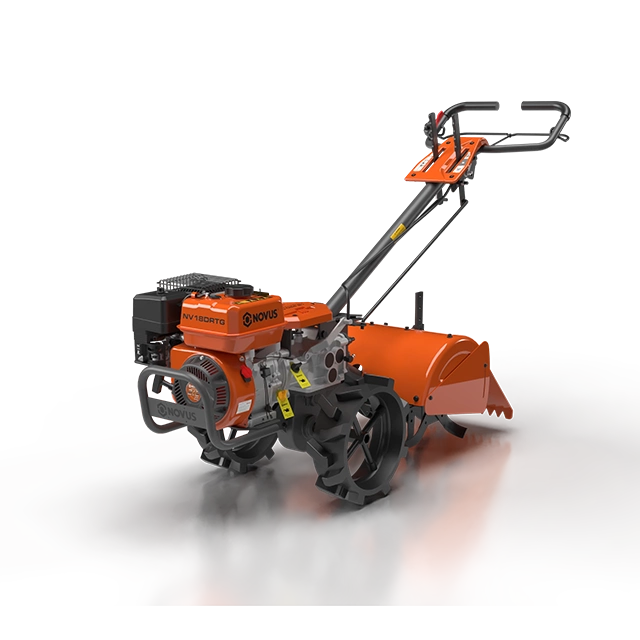
1. The Physical Toll Unlike a rear-tine tiller, which is largely self-propelled and balanced, a front tine tiller requires constant physical intervention. You must lift the handles to make it dig deeper and push down to make it move forward. To break hard ground, you often have to rock the machine back and forth or hold it back manually. For a large plot (anything over 500 square feet), this is an incredibly fatiguing process that can lead to back strain and sore arms.
2. Time Consumption To break ground effectively with front tines, you cannot do it in one pass. You must first “scalp” the area, then make a shallow pass to break the sod, then a second pass at a 90-degree angle, and finally a third pass to reach the desired depth. What a rear-tine tiller could do in 20 minutes might take a front tine tiller two hours of repeated, grueling labor.
3. Mechanical Stress Front tine tillers are generally built with lighter transmissions (often chain-driven). Forcing a light-duty machine to chew through heavy rocks, thick roots, or sun-baked clay puts immense stress on the engine and the drive belt. You risk snapping a belt or shearing a pin long before the garden is ready for planting.
So, Is It a Good Choice for Breaking Ground?
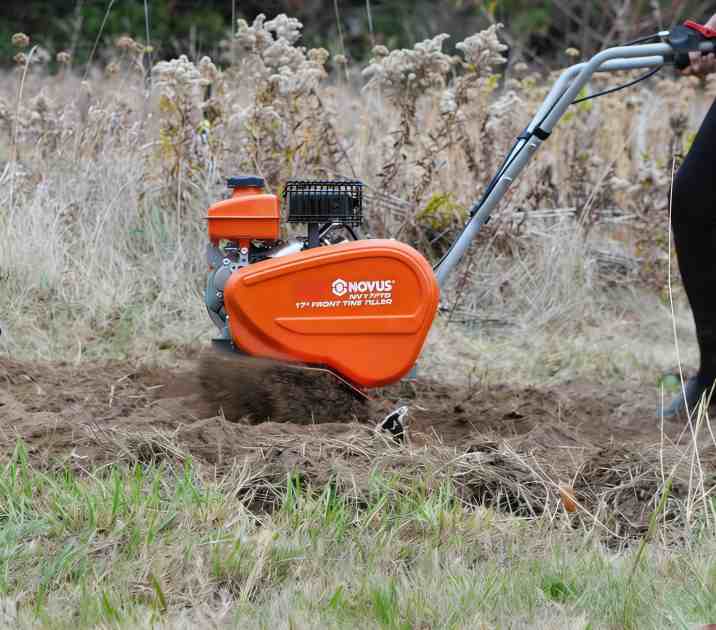
To decide if a front tine tiller is a good choice for your specific project, you need to be honest about your soil and your physical stamina.
Choose a Front Tine Tiller if:
- The Area is Small: You’re working on a small 10×10 foot plot.
- The Soil is Manageable: You have loamy or sandy soil that isn’t heavily compacted.
- Storage is Limited: You don’t have the space for a massive rear-tine machine.
- You’re on a Budget: You want a versatile tool that can break light ground and cultivate between rows later in the season.
Avoid a Front Tine Tiller if:
- You Have Heavy Clay: You live in an area where the “dirt” feels more like concrete during the summer.
- You’re Breaking “New” Ground: If the land hasn’t been farmed or gardened in decades, you need the weight and power of a rear-tine tiller.
- The Plot is Large: For anything larger than a small “boutique” garden, the lack of efficiency will make the project feel like a nightmare.
In conclusion, a front tine tiller for breaking ground can be considered as a tool for light preparation and not for heavy excavation. It is possible for it to achieve results in certain conditions, but it is not meant for serious groundbreaking.


Leave feedback about this