

Tilling the soil is the first step that many vegetable farmers take before planting. However, it is not the case that the more frequently the soil is tilled, the better. While loosening the soil can break up the compacted layer and mix in decomposed organic fertilizer, frequent deep tilling can actually destroy the soil’s particle structure, making the plot unable to retain water, and also disrupting the living environment of beneficial bacteria in the soil.
So, how often should the soil be tilled? This mainly depends on the planting scenario: is it a newly opened vegetable garden, an old vegetable plot that has been used for a long time, or a raised bed or ridge planting? Mastering the timing and interval of tilling can not only cultivate fertile and well-draining soil, but also save a lot of wasted effort.
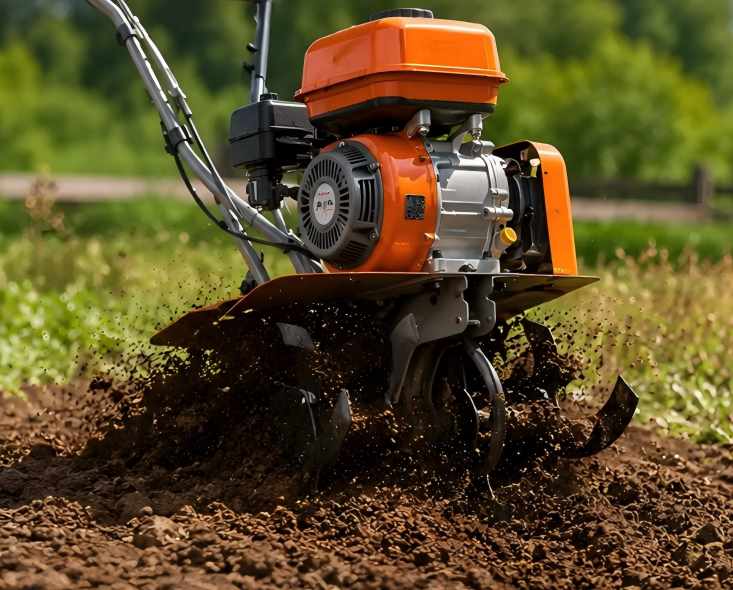
How Often Should You Till Your Garden?
There is no fixed standard for soil tilling that applies to all vegetable gardens. The interval between tilling operations mainly depends on the soil quality and your planting requirements.
New Gardens
If it is an unused and unexploited plot of land, just a complete ploughing once will suffice to prepare the ground. The initial tilling can loosen compacted hard soil, clear out grass roots and weeds, and create a well-drained seedbed suitable for planting.
For a clayey land with heavy and severely compacted soil, after mixing in organic matter such as compost, a shallow second ploughing can be conducted to improve the soil quality. However, repeatedly tilling the same plot of land within a short period of time has no practical benefits. Instead, it will overly break down the soil layer into too fine and loose particles, damaging the soil’s own aggregate structure.
Established Vegetable Gardens
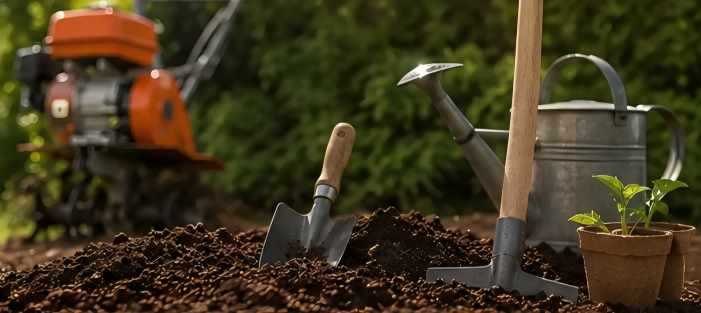
For an ordinary family vegetable garden, it is sufficient to till the soil once before spring sowing each year. This step allows the compost to be thoroughly mixed into the surface soil, improving the aeration of the soil layer and leveling the plot for subsequent sowing and seedling cultivation.
If you regularly apply coverings such as straw and fallen leaves, and continuously replenish organic matter, it won’t take long before the frequency of tilling can gradually decrease. Once the soil is well maintained, it will form a stable and excellent granular structure on its own, eliminating the need for frequent soil loosening every year.
Flower Gardens and Raised Beds
The frequency of soil turning in flower beds is much lower than that in vegetable gardens. The soil layer is rarely turned on a large scale on a daily basis. Many flower growers do not deeply plow the soil every year. They only dig up the surface layer slightly when applying compost or replanting flowers.
High-mounded vegetable plots do not require frequent tilling either. These raised beds are rarely trampled on, and the soil layer is not prone to becoming compacted. Before planting, it is sufficient to simply loosen the surface soil with small tools or a light tiller.
When Is the Best Time to Till Your Garden?
Knowing when to till is just as important as knowing how often.
Before Spring Planting
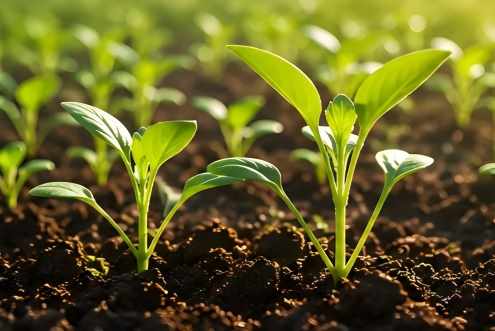
Most areas are suitable for preparing the soil before planting vegetables in the early spring, which is also the best time for soil preparation. It is best to wait until the temperature rises and the soil warms up, and also to overcome the waterlogged period caused by winter snow and spring rain. After the soil layer dries out, the work can be started.
There is a simple way to determine if the soil is suitable for plowing: take a handful of soil and squeeze it tightly. If the soil can be formed into a compact and sticky ball and doesn’t easily break apart when released, it indicates that the soil moisture content is too high. Wet soil is prone to clumping when plowed, and the problem of compaction will become more severe after the soil dries out.
During Fall Soil Preparation
After harvesting autumn vegetables, many flower growers and vegetable farmers will lightly turn over the soil in their plots. This time of year is particularly suitable for adding compost, decomposed manure, or green manure residues into the soil. After a whole winter and spring, they will slowly decompose and release all the nutrients in the soil.
However, loosening the soil in autumn is not a mandatory operation. It can be done at your own discretion based on the condition of the plot. If the plot is prone to water erosion and soil loss, it is best to keep the soil layer undisturbed in winter, which can better protect the original soil aggregates and prevent soil erosion.
Avoid Tilling Under Poor Soil Conditions
Regardless of the season, avoid tilling when:
- The soil is excessively wet.
- The ground is frozen.
- The soil is extremely dry and hard.
Working soil under these conditions often creates more problems than benefits and can make future planting more difficult.
Best Practices for Tilling Your Garden
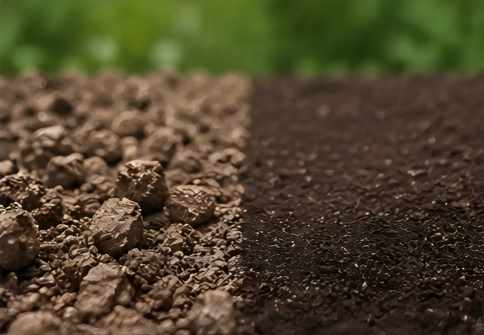
Proper tilling isn’t about making the soil as loose as possible. It’s about preparing an environment where roots can grow efficiently while preserving long-term soil health.
Avoid Over-Tilling
Over-tilling breaks apart natural soil aggregates and exposes organic matter to faster decomposition. It can also disturb earthworms and beneficial soil organisms that contribute to healthy plant growth.
For most home gardens, one deep tilling before planting each year is enough.
Till to the Right Depth
Most vegetables only require the top 6 to 8 inches (15 to 20 cm) of soil to be loosened before planting. Tilling significantly deeper is usually unnecessary unless you’re improving severely compacted ground for the first time.
Add Organic Matter While Tilling
When starting to plow and prepare the land, it is a good opportunity to mix compost or fully decomposed organic matter into the soil.
Mixing organic fertilizer during the plowing process can not only improve clay soil and improve drainage, but also enhance the water retention capacity of sandy soil. If this soil maintenance method is consistently practiced over time, there will be no need for frequent plowing in the future.
Choose the Right Garden Tiller
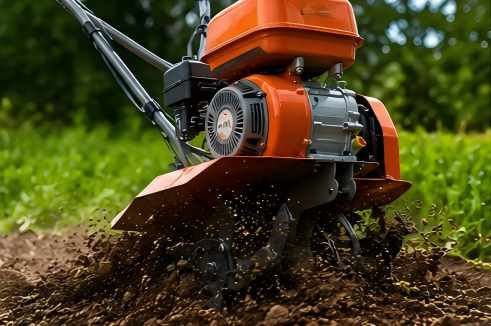
Using the right equipment makes soil preparation more efficient.
- Front tine tillers are suitable for small gardens, established beds, and regular seasonal maintenance.
- Rear tine tillers provide greater digging power for breaking new ground or working compacted soil.
- Battery-powered tillers are ideal for raised beds, flower gardens, and light cultivation where maneuverability and low maintenance are priorities.
Selecting a tiller that matches your garden size and soil conditions helps produce better results while reducing operator effort.
Related Articles
Best Rear Tine Tillers in 2026: Top Picks for Hard Soil & Large Gardens
Garden Tiller Engine Sizes Explained: From 40cc to 250cc+


Leave feedback about this