

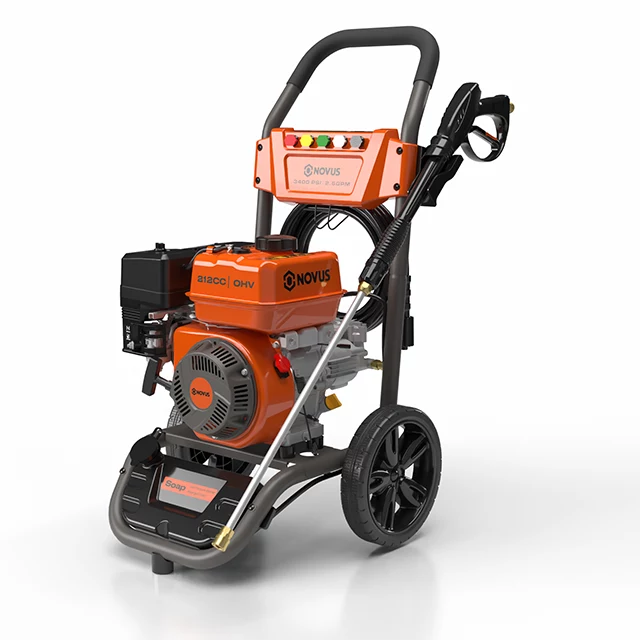
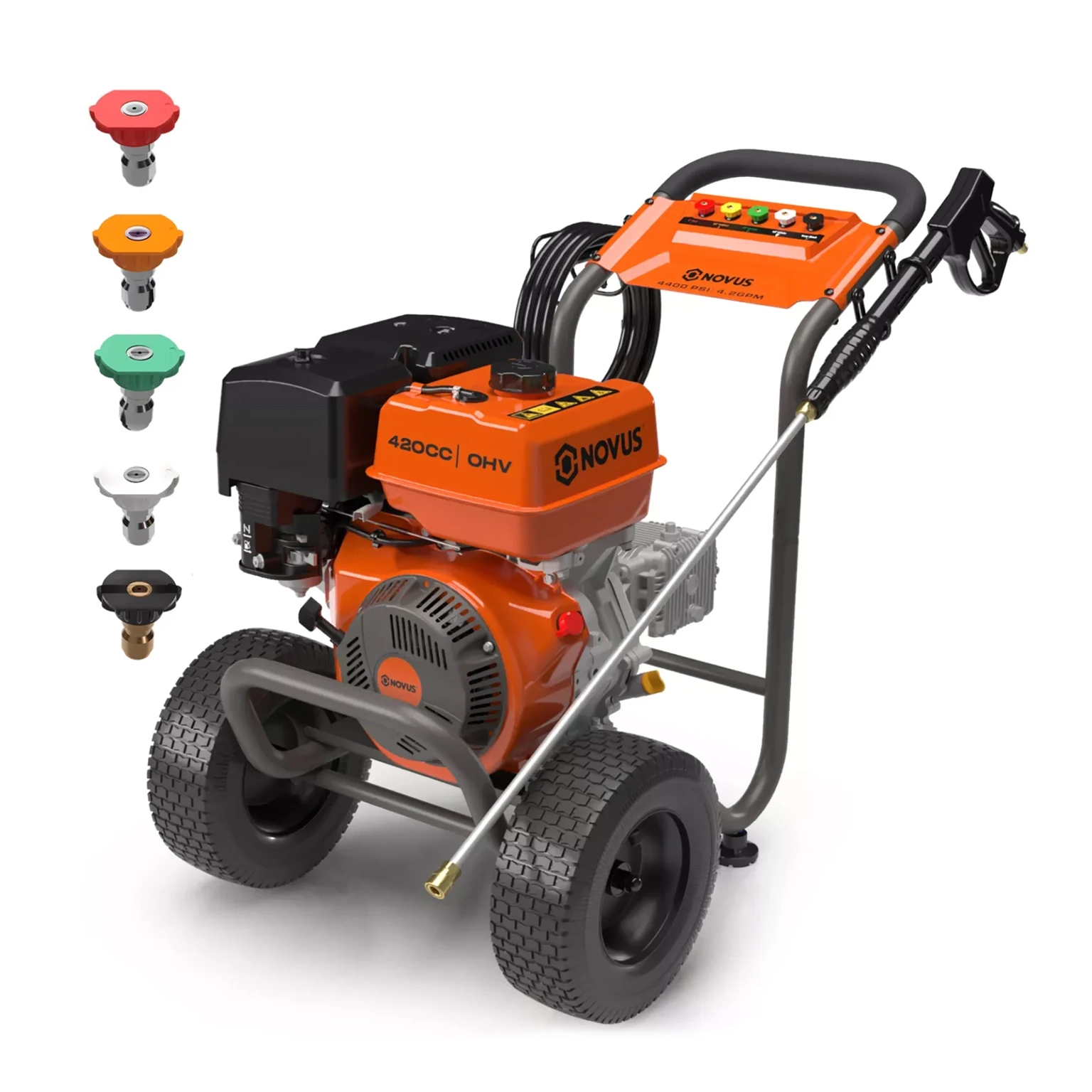
When cleaning concrete driveways and patios, a 3100 PSI gas pressure washer is sufficient to meet the majority of residential concrete cleaning needs. It can provide the necessary pressure to remove dirt, mold, stains, even minor oil spots. If used properly, it will not damage the concrete surface.
However, to determine whether the pressure level of 3100 PSI is sufficient for cleaning – or whether it is too high – it is necessary to consider the condition of the concrete and the type of stains that need to be dealt with.

Why 3100 PSI Is Ideal for Most Concrete Cleaning Jobs
Concrete is a porous material. Over time, organic substances (algae, molds), carbon deposits from vehicle exhaust, and tiny dust particles will accumulate in these pores. To effectively “remove” these pollutants, water flow must overcome capillary forces in order to fix the dirt.
The technical test indicates that although a pressure of 1500–2000 PSI can wash away surface dust, it lacks the impact force required to penetrate the texture of the concrete surface. At 3100 PSI, the water flow speed is high enough that most residential pollutants can be removed without the use of strong chemical cleaners, making it the optimal pressure level for a multi-functional cleaning device.
What Can a 3100 PSI Pressure Washer Actually Clean?
A 3100 PSI unit is capable of neutralizing several distinct types of debris:
- Biological Growth: Algae, moss, and mildew roots that anchor in concrete pores.
- Tire Marks: Heated rubber particles that have fused with the surface.
- Oxidation: Light rust stains from metal patio furniture or irrigation water.
- Carbon Buildup: Soot and environmental pollutants that dull the appearance of driveways.
When 3100 PSI Is Not Enough for Concrete Cleaning

Although the 3100 PSI pressure is very effective, it is not without risks. Concrete has a specific compressive strength, and the compressive strength of residential floor slabs typically ranges from 2500 to 4000 PSI. If the 0° nozzle is too close to the surface, the effective pressure at the impact point may exceed the tensile strength of the concrete, resulting in “etching” or removal of the cream layer (the smooth surface layer). This damage is permanent and increases the likelihood of the surface being contaminated by stains in the future.
When to Consider 4000 PSI or Higher
For heavy-duty applications, such as industrial floors or construction sites, a higher-pressure high-pressure washer might be required. However, for most household users, this power level is neither necessary nor even safe.
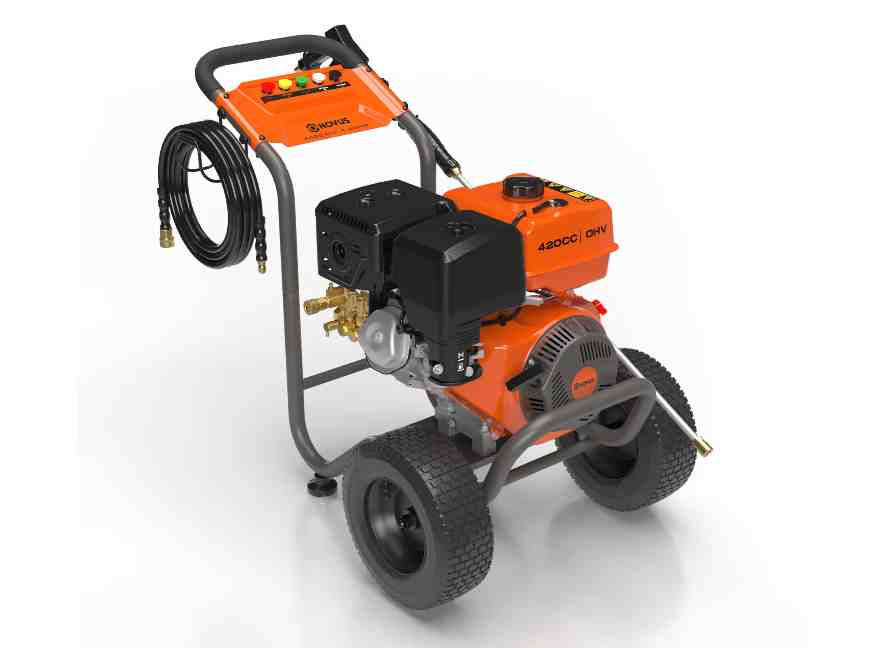
Practical Application: Cleaning Concrete Driveways
The lane is subjected to unique pressures, including the crushing of heavy vehicles and chemical leaks (such as oil, coolant). Since the concrete of the lane is usually thicker and more solid than that of ordinary sidewalks, it can generally withstand a pressure of 3100 PSI. However, our goal is to achieve efficient cleaning while avoiding the formation of “striping” – that is, uneven cleaning lines caused by inconsistent nozzle heights.
Tools and Accessories That Improve Cleaning Results
For large areas of concrete like lanes, standard spray guns are inefficient. Professional guidelines recommend using a 3100 PSI machine in conjunction with a surface cleaner.
- Uniformity: The surface cleaner uses rotating nozzles installed beneath the platform to maintain a constant distance from the ground, ensuring no streaks remain after cleaning.
- Rotational physics principle: By distributing 3100 PSI of pressure to two rotating nozzles, the cleaning path becomes wider (typically 15-20 inches), and compared to a single-point nozzle, the operation time can be reduced by up to 75%.
Although the 3100 PSI pressure provides a strong physical force, it does not always break the molecular bonds of petroleum-based stains. In professional applications, alkaline degreasers or surfactants are usually used before cleaning. These chemicals can “emulsify” the oil stains, allowing the 3100 PSI pressure flow to more effectively remove the residues from the porous substrate than using water alone.
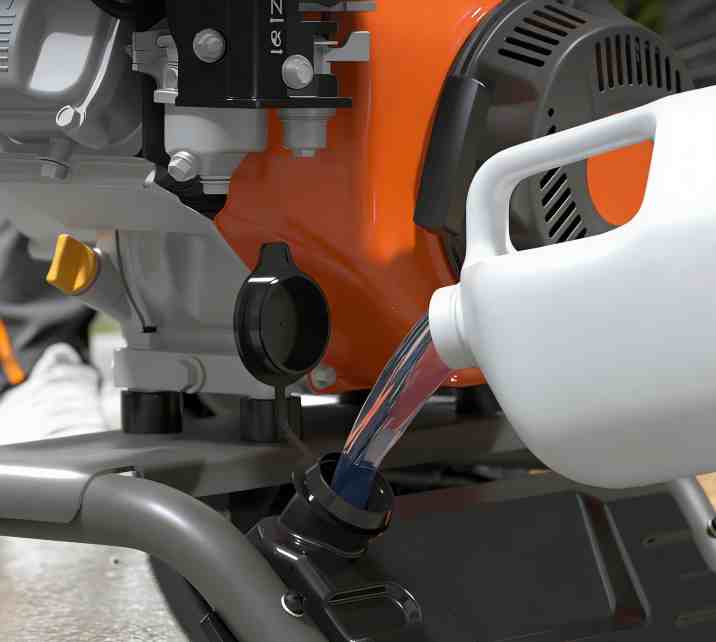
PSI vs GPM: What Really Matters in Pressure Washing?
In the cleaning industry, the true criterion for measuring the performance of a machine is its cleaning unit (CU), and the calculation method is as follows:
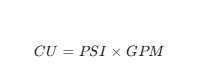
PSI (pounds per square inch) measures the impact force of water flow. The higher the PSI, the greater the impact force of the water on the surface.
GPM (gallons per minute) determines the water consumption. This will affect the cleaning speed.
Many people only focus on PSI, but GPM is equally important, and even more so. A machine with a slightly lower PSI but a higher GPM can clean more quickly and efficiently. Ideally, in order to achieve the best performance, you need to strike a balance between the two.
More detailed information:
How PSI and GPM Affect Pressure Washer Cleaning Performance
Professional Guidelines for Different Concrete Ages
In fact, for most residential and commercial applications, a pressure of 3100 PSI represents the optimal balance between cleaning effectiveness and safety. However, special attention needs to be paid to the cleaning standards for concrete of different ages:
Precautions for Newly Poured vs. Aged Concrete
The freshly poured concrete undergoes a chemical hydration process. It usually takes 28 days to reach the designed strength, but its “soft” state persists for a longer period. Professional guidelines recommend that freshly poured concrete should be left to cure for at least 12 months before using a 3100 PSI pressure cleaning machine for cleaning. For aged and peeling concrete, the pressure should be reduced to avoid exacerbating existing cracks.
Managing Expansion Joints and Surface Sealants
Expansion joints (the gaps between the boards) are usually filled with flexible sealant or sand. A pressure of 3100 PSI can easily wash away these materials. Operators must use a larger angle or lower pressure when passing through these joints to maintain the overall integrity of the lane structure.
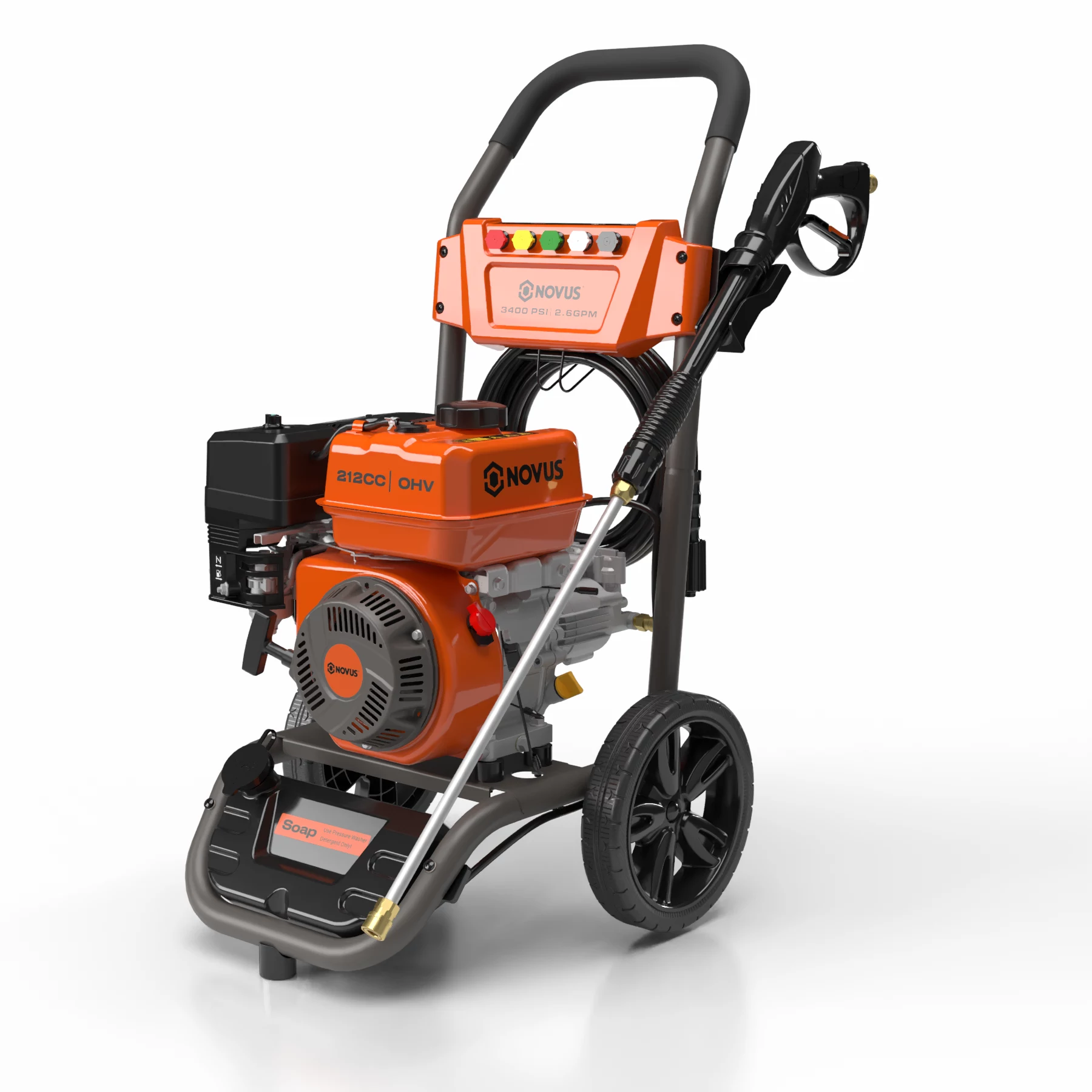


Leave feedback about this