

The rotary tiller is a very practical tool for home gardens and small farms, capable of quickly loosening the soil, mixing fertilizers, and removing weeds. However, the rotating teeth, flying stones, noise and vibration also make it an equipment prone to accidents. Many first-time users are worried about getting injured due to improper operation. In fact, as long as the correct methods are mastered, the risks can be minimized completely.
Mastering the correct safety operation methods not only protects oneself but also extends the machine’s lifespan. Below, in the order of before use, during use and after use, we will systematically explain the safety precautions for the tiller to help you complete the work safely and efficiently.

Preparations Before Use
Many accidents actually occur before the machine is started. Making adequate preparations is the first step towards safe operation of the cultivator.
1. Read the operation manual and familiarize yourself with the control device.
The control layout, starting method and emergency shutdown procedures for different brands and models of rototillers may vary. Before using, be sure to read the manual and remember how to quickly shut off the engine and disengage the teeth.
2. Properly wear personal protective equipment (PPE)
- Strong closed-toe work boots or steel-toe safety boots (never wear sandals or go barefoot)
- Protective glasses or goggles to prevent eye injuries from splashes
- Earplugs or earmuffs to protect hearing
- Strong gloves to reduce the risks of vibration and cuts
- Close-fitting long pants and long-sleeved clothing to avoid loose clothes and jewelry getting caught
These are the most frequently mentioned basic equipment.
3.Inspect the machine itself Before starting:
- Check whether there are cracks or loose bolts on the machine body
- Check whether the protective cover and guard plate are properly installed
- Check whether the cutting teeth are worn, bent or loose
- Check if the fuel and engine oil levels are normal
When adding fuel, the engine must be cooled down first. It should be done in an outdoor, ventilated area. Smoking is strictly prohibited.
4. Clean and inspect the work area
Remove stones, branches, wires, and other foreign objects; mark or avoid underground pipelines (water pipes, electrical wires, gas pipes); ensure the ground is relatively level; maintain a safe distance of at least 6-15 meters from children, pets, and bystanders. Work is prohibited indoors or in enclosed spaces to prevent carbon monoxide poisoning.
Safety Precautions During The Operation Process
The period after startup is the most risky stage. The following key points must be strictly followed.
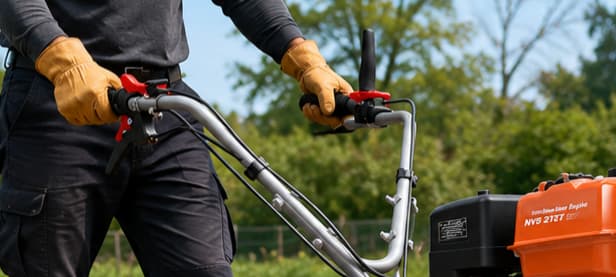
Proper start and standing posture: After placing the clutch in neutral position on a flat surface, start the vehicle. Hold the handlebars firmly with both hands and keep your body stable; do not hunch over or slouch.
- Key principles during operation
- Do not operate too deeply or too fast to avoid overloading the machine
- Be extra cautious when approaching fences or buildings
- Always keep hands and feet away from rotating teeth
- Stop the machine immediately and check if there is any abnormal noise or severe vibration
- Operate up and down on slopes as much as possible to avoid lateral operations
Prohibited Actions: Never allow children or untrained individuals to operate; Never leave or adjust while the machine is in operation; Never operate wearing loose clothing or sandals; Never operate at high speed on slippery surfaces.
These are precisely the practical information that users would most like to see when searching for “safety guidelines for rotary tillers” or “operating precautions for plow machines”.
Safety and Daily Maintenance After Shutdown
After the work is completed, one must not relax their vigilance.
First, turn off the engine, disconnect the spark plug wire and ground it. Wait until the machine has completely cooled down before cleaning the dirt and weeds on the teeth. Check for any damaged parts and perform regular maintenance according to the manual (check tooth wear, tighten bolts, change oil, etc.).
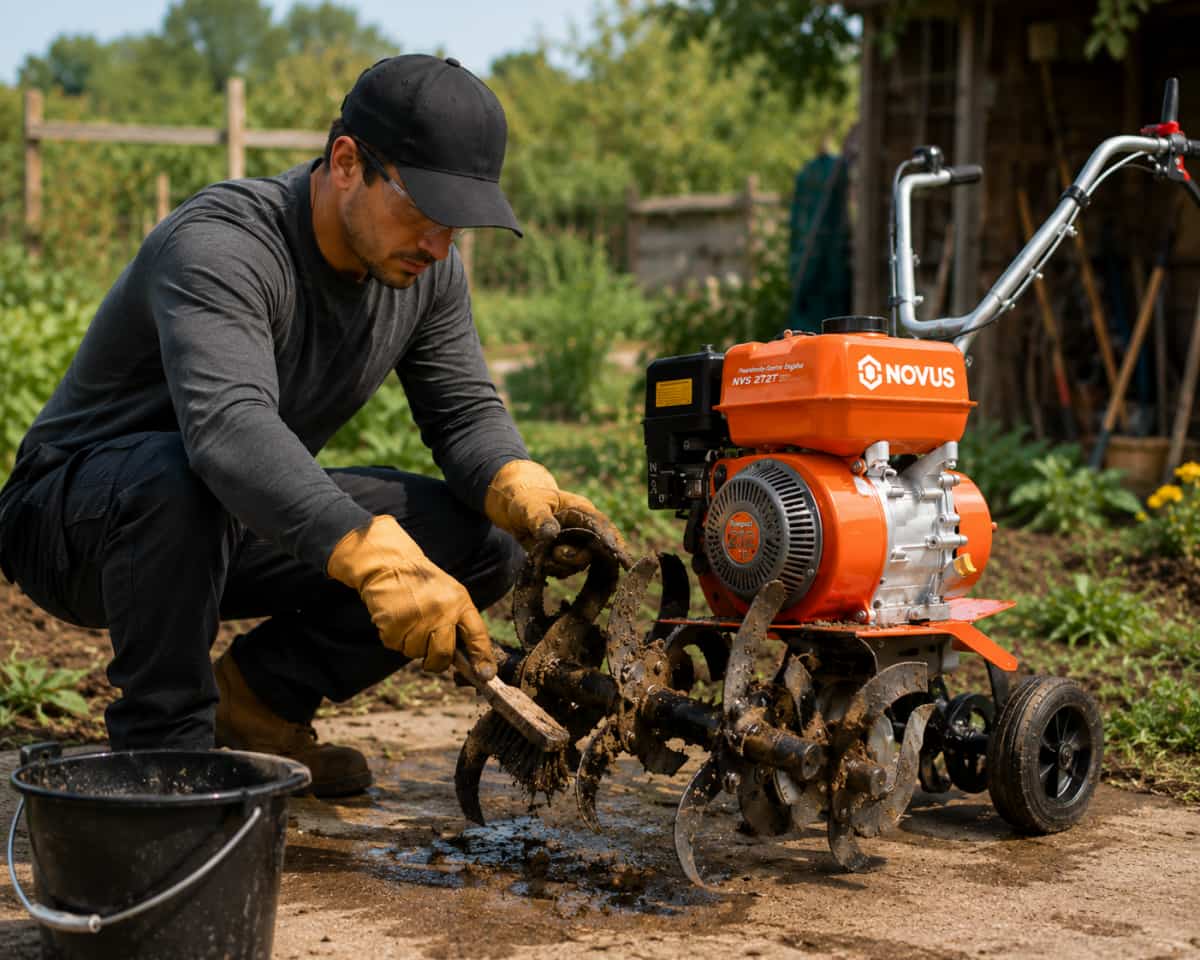
Choose a dry, ventilated place that children cannot access for storage. Correct maintenance can significantly reduce faults and safety risks in subsequent use.
Special Circumstances Handling and Emergency Reminders
Stop the machine immediately upon encountering foreign objects for inspection; do not forcefully handle when the machine gets stuck; cut off the power supply first when feeling physically tired. In emergency situations, it is crucial to quickly master the emergency shutdown method for this model of machine.
If any of the following abnormalities occur with the equipment, it should be immediately shut down and inspected:
- Abnormally intense vibration of the machine
- Smoke coming from the engine
- Detection of fuel leakage
- Blade fracture or severe bending
- Loose handle
- Engine overheating
- Abnormal noise
Do not attempt to use it under the assumption that “it can still work”, as this not only may damage the equipment but also increases safety risks.
Safety Checklist
- Before Use: Have read the manual, wear complete protective gear, machine check is normal, area is cleared, observers maintain a distance.
- During Use: Operate with both hands, do not operate too deeply or too fast, stop immediately if any abnormality occurs, do not operate while fatigued.
- After Use: Shut off the engine and disconnect the spark plug, clean and inspect, maintain or store after cooling.
Summary: The core of safe use of the cultivator can be summarized as: adequate preparation, proper protection, cautious operation, and timely maintenance. As long as the habit of checking the checklist is formed, the risk of accidents can be significantly reduced, and one can truly enjoy the pleasure of cultivating the land.


Leave feedback about this