

As the spring farming season approaches, many farmers and gardening enthusiasts start preparing to plow the land and purchasing a suitable tiller has become an urgent matter. When choosing one, the most frequently asked key question is: What size tiller do I need?
This question may seem simple, but it directly affects the subsequent farming experience. The selection of a small model results in decreased tillage efficiency because it becomes challenging to operate under conditions of compacted and hard soil. The operation of larger equipment becomes difficult because it creates operational challenges and requires more expenses for both equipment acquisition and usage.Therefore, selecting the right size based on the actual situation is a crucial step to improve the efficiency of spring farming and ensure the comfort of use.
Tiller Sizes Corresponding to Different Areas
If you just want to get the answer quickly, you can refer to the following simple judgment criteria:
- Small garden (< 500 sq ft): It is recommended to choose a 12–16 inch Tiller
- Medium-sized garden (500–1500 sq ft): It is recommended to choose a 16–21 inch Tiller
- Large garden (1500+ sq ft): It is recommended to choose a 18–24 inch Rear Tine Tiller
In summary: the larger the area, the wider the width, and the stronger the power required.
However, this is only a basic judgment. If you want to select more precisely, you also need to consider the following key factors.
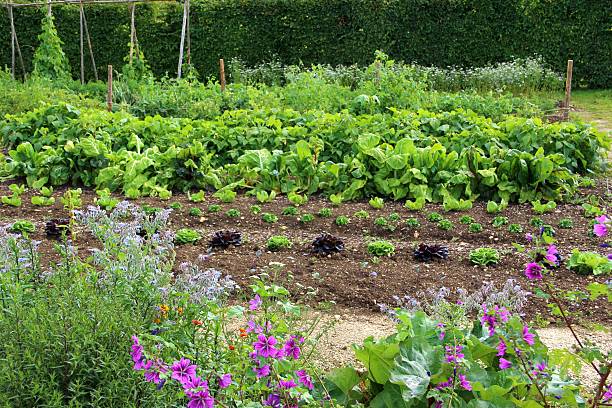
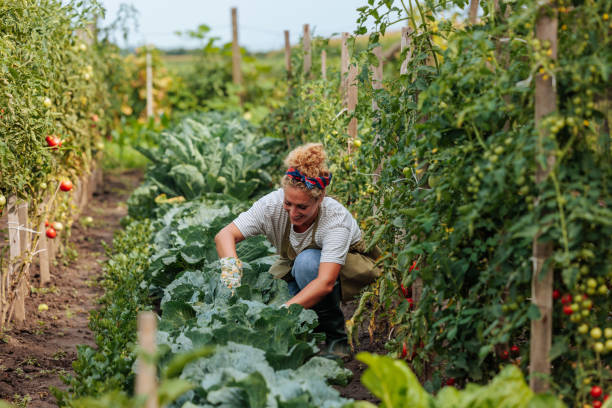
4 Key Factors Affecting the Selection of Tiller Size
Garden Area: The Core Factor Determining Width
The size of the Tiller should be determined based on the available garden area. For small gardens, flexibility is often more important than efficiency. The smaller-sized machines provide operators with better control which enables them to perform detailed work. As the area increases, if you still use a small equipment, not only will the efficiency be low, but the labor intensity will also increase.
Therefore, when you are dealing with medium to large gardens, a wider farming width can significantly reduce the operation time and is a more reasonable choice.
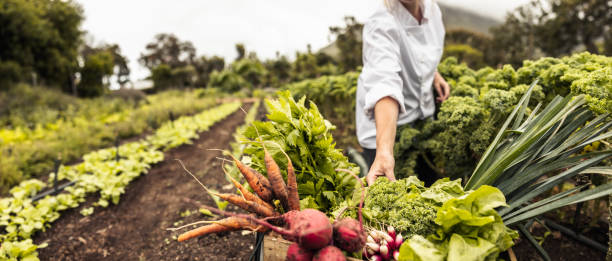
Soil type: Determining power requirements
Many people only focus on the size of the tractor when making a purchase, but they often make their most common error by selecting tractors without considering the essential element of soil conditions.
If your soil is relatively loose, a small or medium-sized tractor should generally be sufficient for tillage. However, when dealing with clay soil, heavily compacted soil that has not been tilled for a long time, or uncultivated wasteland that has not been tilled for many years, a more powerful model is necessary. In particular, the rear tine tiller is highly recommended. It is also recognized as the best tiller for hard soil and is known for its more stable operation and higher tillage efficiency when working on hard and compacted land.
Usage frequency: Affects equipment grade selection
If you only use it occasionally, such as for seasonal soil turning, then a lightweight or electric Tiller should be sufficient. However, if you use it multiple times a year, or even for large-scale farming, then choosing a medium-sized or large-sized equipment will be more durable and efficient.
User experience and physical strength
The larger the equipment, the higher the operational difficulty usually is. For novice users, overly large machines may actually increase the control difficulty. Therefore, if you are a beginner or prioritize ease of operation, you can give priority to choosing smaller models.
How to Choose The Right Size Tiller?
To better understand, we can categorize Tiller into three types for analysis.
Small Tiller (12–16 inches)
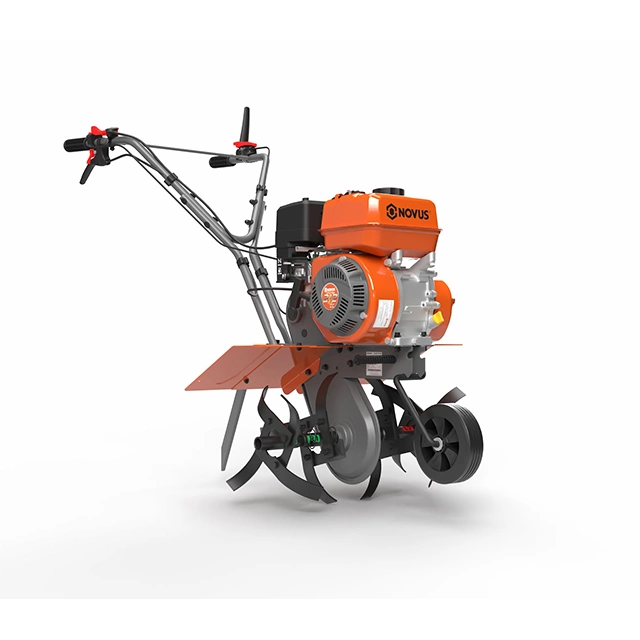
This type of equipment is typically small in size and light in weight, making it ideal for small gardens or raised beds. Its advantages lie in its simple operation and high flexibility, making it very user-friendly for beginners.
However, its limitations are also quite obvious – its efficiency significantly decreases when dealing with hard soil or large-scale operations. Therefore, it is more suitable as a maintenance tool for daily use rather than a pioneering equipment.
Medium-sized Tiller (16–21 inches)
The medium-sized Tiller can be regarded as the most balanced option, suitable for most home gardens. It achieves a good balance between efficiency and operational difficulty, capable of handling both general soil and medium-sized areas for farming. For most users, this is the most recommended size range.
Recommended Products:
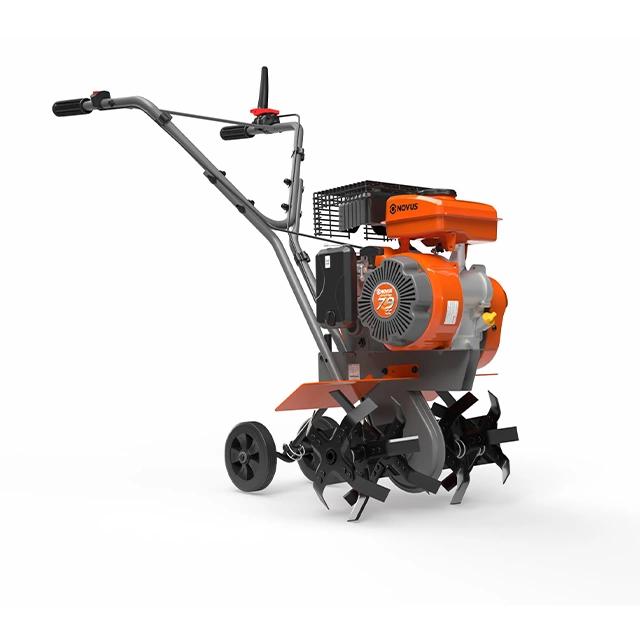
Large Tiller (18–24 inches / Rear Tine)
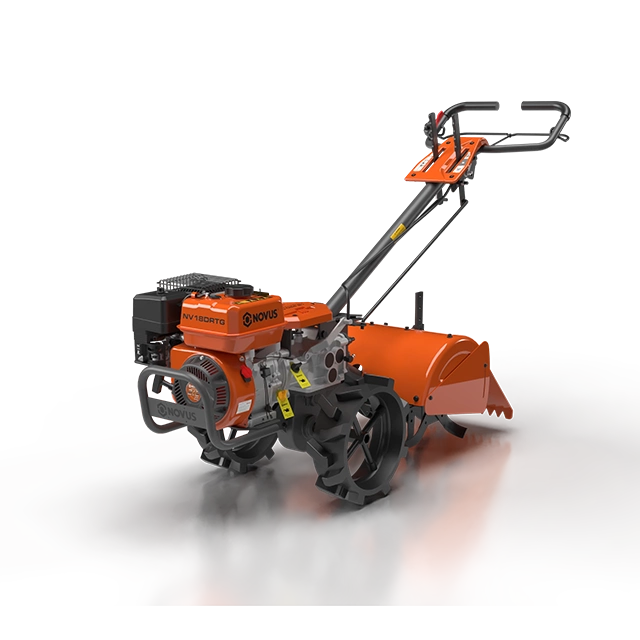
If you are dealing with hard soil, large tracts of land, or completely unexplored areas, then the large Rear Tine Tiller is almost the only reasonable choice. These devices usually have a stronger engine, deeper plowing capabilities, and more stable operation performance, making them perfect for “land clearing” tasks.
Recommended Products
Front Tine vs Rear Tine: Key Choices Beyond Size
The Front Tine Tiller is lighter and more flexible, making it suitable for small or medium-sized gardens. In contrast, the Rear Tine Tiller is more stable and has greater power, making it ideal for large areas or hard soil conditions.
How to Quickly Select the Most Suitable Tiller for You
If you don’t want to spend too much time comparing, you can use a simple three-step method to make a judgment:
Step 1: Look at the area
For small areas, choose a small-sized one; for large areas, choose a wide-width device
Step 2: Examine the soil
For hard soil, the Rear Tine option is recommended.
Step 3: Consider usage frequency
Choose the more durable model if it is used frequently
Final summary:
- Small garden → 12–16 inches
- Mainstream for households → 16–21 inches
- Landscaping / Hard soil → 18 inches or more; Rear Tine


Leave feedback about this