

The maximum operating hours of an inverter generator after full fueling depends on the type of generator, fuel capacity, and workload. Generally, a small generator for home use can operate for 8-12 hours, while a large generator for industrial use can operate for over 24 hours. However, regardless of whether you are planning a camping activity, using a generator for your RV, or preparing for a blackout at home, it is very advantageous to predict the operating hours of the generator in advance for your subsequent use.
However, this time period cannot be simply answered by a single number. It is influenced by various factors. In this article, we will conduct a detailed analysis of the actual run time of the inverter generator, helping you determine whether it can meet your actual electricity demand before starting the generator.

How Long Can an Inverter Generator Run on a Full Tank?
There’s no definitive answer that suits every inverter generator out there, but there are some reliable ranges of runtime to anticipate when a generator is filled with a tank of gasoline.
In a real-world scenario, most inverter generators run within predictable ranges based on size and load levels.
Typical Runtime by Generator Size
| Generator Size | Typical Fuel Tank | Estimated Runtime (25–50% Load) |
| 2000W class inverter generator | ~1.0–1.2 gal | 6–10 hours |
| 3000W class inverter generator | ~2.0–2.5 gal | 8–14 hours |
| 4000W+ inverter generator | 3.0+ gal | 10–18 hours |
These values are based on normal use, not extreme test conditions. Light or moderate use, like a fridge running on and off, lights on, charging a phone, or running appliances, will be within these parameters.
Under heavier continuous use, runtime will be less. Under lighter use, particularly if using Eco Mode, runtime will be extended.
The takeaway: a full tank will get you through the night or a day of light use, but only if used appropriately.
What Factors Affect Inverter Generator Run Time in Daily Use
If you have ever wondered why a generator does not run as long as you think it should, the answer lies in the way you use the generator on a daily basis. The fuel consumption of an inverter generator is not constant; rather, it is constantly changing.
The following are the most important factors that affect the runtime of a generator.
Load Level and Power Demand
The working load of the generator will also have a direct impact on its operating time.
- Light Load (Charging of equipment, LED lighting): Extremely Low Fuel Consumption
- Medium Load (Refrigerator, TV, and at times, coffee makers): Moderate Fuel Consumption
- High Load (Heating, Air Conditioning, and electric tools): Fuel Consumption increases sharply
The optimal fuel efficiency of most inverter generators occurs at a load of between 25% and 50%, and this coincidentally represents the most common usage patterns.
Related Articles: Can a 4000W Inverter Generator Run Air Conditioners, Microwaves, and More?
Startup Surges from Appliances
Electrical appliances such as refrigerators, microwave ovens and water pumps consume a significant amount of electricity in a short period of time when they are turned on. These brief currents not only increase the load on the power supply but also cause a temporary surge in fuel consumption.
Running multiple appliances simultaneously will significantly reduce the operating time.
Eco Mode and Engine Speed Control
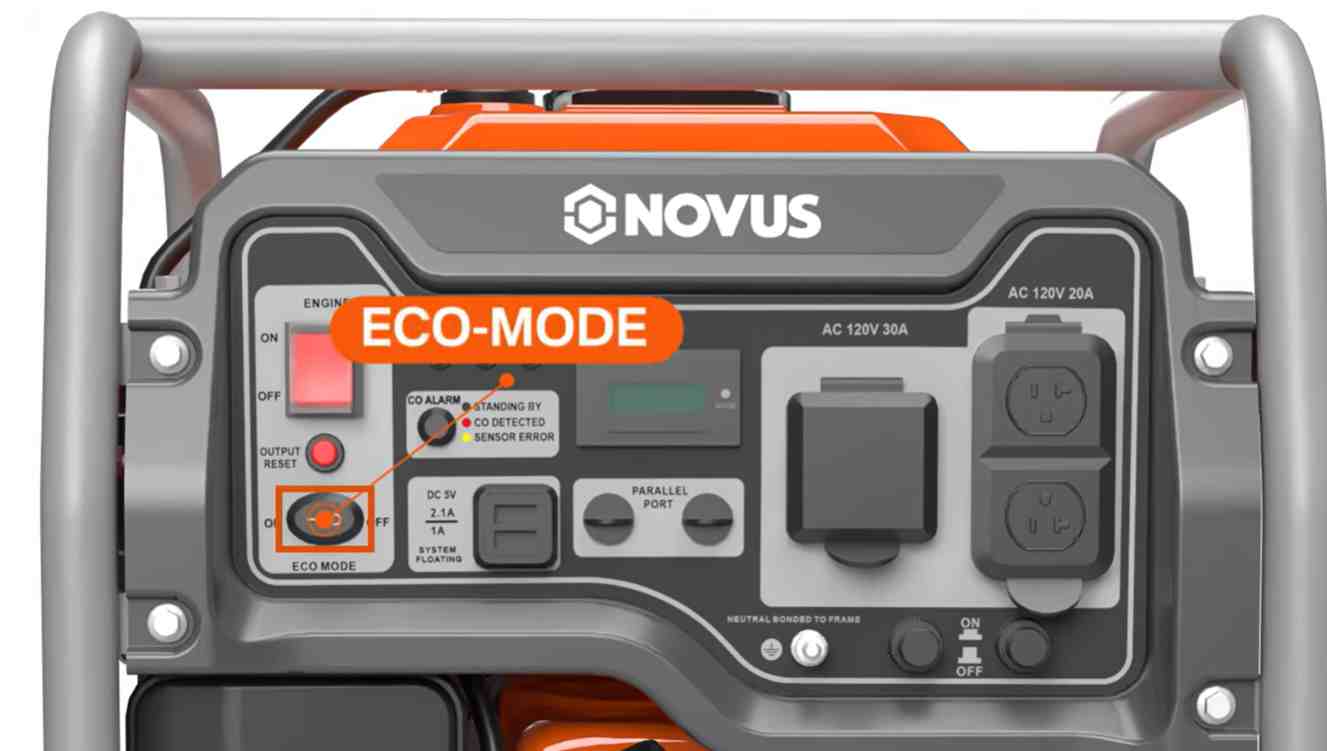
One of the major advantages of the inverter generator is its variable engine speed. When the energy-saving mode is activated, the engine will reduce its speed during low-load operation and only accelerate when necessary.
The actual application results are as follows:
Fuel consumption is lower during idle or low-load operation.
When using the same amount of oil, the total operating time of the inverter generator is longer.
Continuous vs Intermittent Use
Running a steady load for hours consumes fuel differently than short bursts of high demand. A generator powering a fridge overnight often uses less fuel than one running a space heater continuously—even if the heater’s wattage seems manageable.
Planning Ahead: Is Your Inverter Generator Runtime Enough?
Before going on a trip or setting up a backup power supply, most users want reassurance rather than precise calculations.
Our goal is not to precisely calculate fuel consumption, but to answer a practical question:
Will a box of oil really meet the requirements of my equipment?
A simple method for easily estimating travel time before departure
Rather than focusing on the numbers, it would be better to consider using patterns:
- Which devices will operate for a long time?
- Which devices only operate occasionally?
- What is your overall load: light load, medium load or heavy load?
This method can naturally link fuel consumption with operating time without the need for complex calculations.
Common Usage Scenarios and Runtime Expectations
| Scenario | Typical Load Profile | What to Expect from One Full Tank |
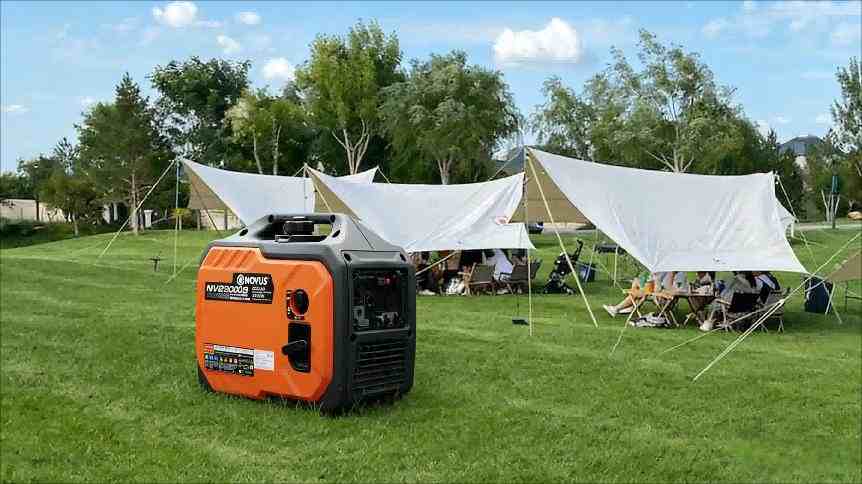
| Overnight camping | Lights, phone charging, small fan | Often lasts the entire night |
| RV travel | Fridge cycling, coffee maker, electronics | Usually enough for a full evening |
| Home power outage | Refrigerator, router, lights | 10–14 hours depending on cycling |
| Jobsite light duty | Tools used intermittently | Several hours with careful load management |
If your setup looks similar to one of these scenarios, you can make a confident judgment without detailed calculations.
This is also where inverter generators with max runtime stand out: efficient engines and smart load handling matter more than raw tank size alone.
Related Articles: Top Uses for an Inverter Generator at Home and Outdoors
How to Make a Full Tank of Gas Last Longer
Once you understand what drives fuel consumption, extending inverter generator run time becomes surprisingly straightforward.
Prioritize Essential Loads
Run critical appliances first and avoid stacking high-wattage devices at the same time. Spreading demand over time keeps fuel use steady instead of spiking.
Use Eco Mode Whenever Possible
Eco mode isn’t just a feature—it’s a fuel-saving strategy. For overnight use or low-demand periods, it can dramatically extend how long a full tank lasts.
Avoid Oversizing Your Generator
Bigger isn’t always better. An oversized generator running far below its efficient range can burn more fuel than a properly matched inverter generator operating at moderate load.
Time High-Draw Appliances Wisely
If you need to run a microwave, kettle, or power tool, do it when other loads are off. Short, planned bursts use less fuel than overlapping demand.
Related Articles: How to Maintain an Inverter Generator: A Beginner’s Step-by-Step Guide
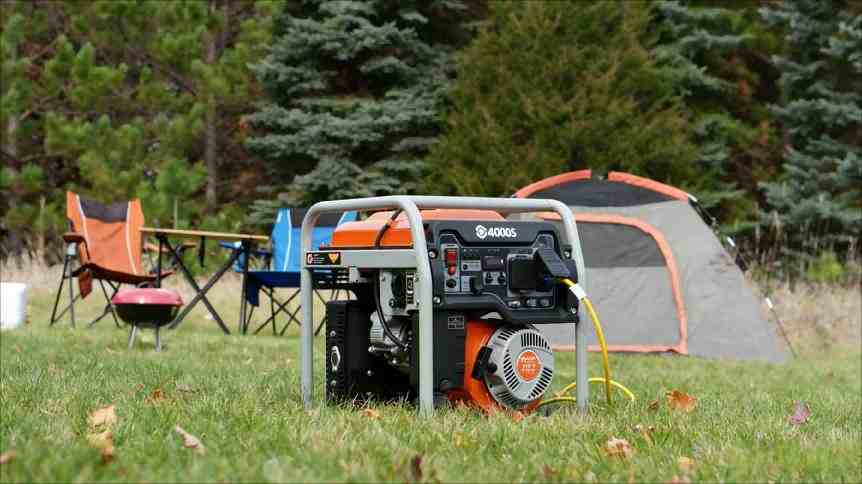
In conclusion, the longest running time of an inverter generator after being fully fueled is a few hours to a whole day in most cases. The running time is not only dependent on the fuel tank size but on the usage and efficiency of the generator.
When selecting and using a generator, one should consider in a comprehensive manner, according to their needs, to ensure that the performance and running time of the generator are capable of meeting the requirements. Proper usage and maintenance are the most important factors in extending the lifetime and running time of the generator.


Leave feedback about this