

In the management of home vegetable gardens, small farms or orchards, Tillers (cultivators) are a type of agricultural machinery that is frequently used. Before making a purchase, many people have a question: What kinds of farm work can Tillers do? Is it worth buying one?
This article will start from the actual usage scenarios, systematically sort out the main uses, applicable ranges and unsuitable operation types of Tillers, to help you determine whether it is suitable for your land and needs.
What Is a Tiller?
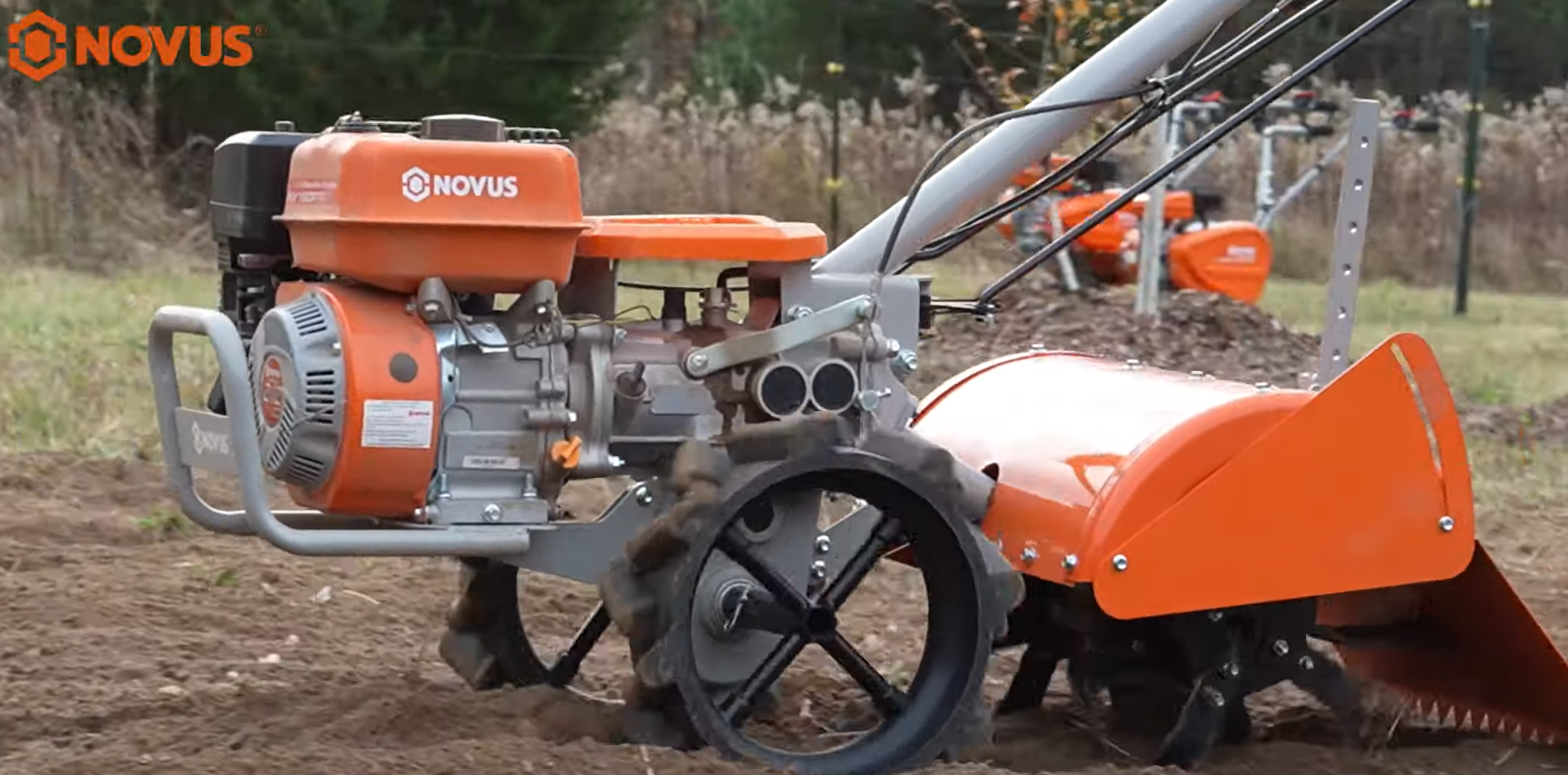
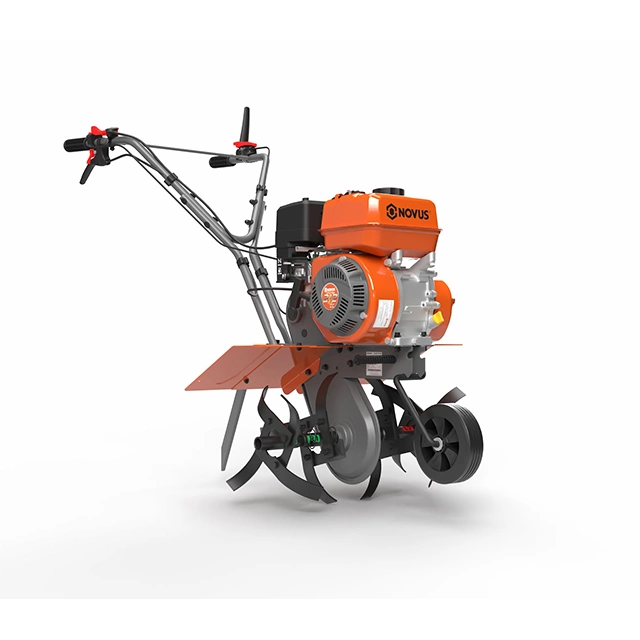
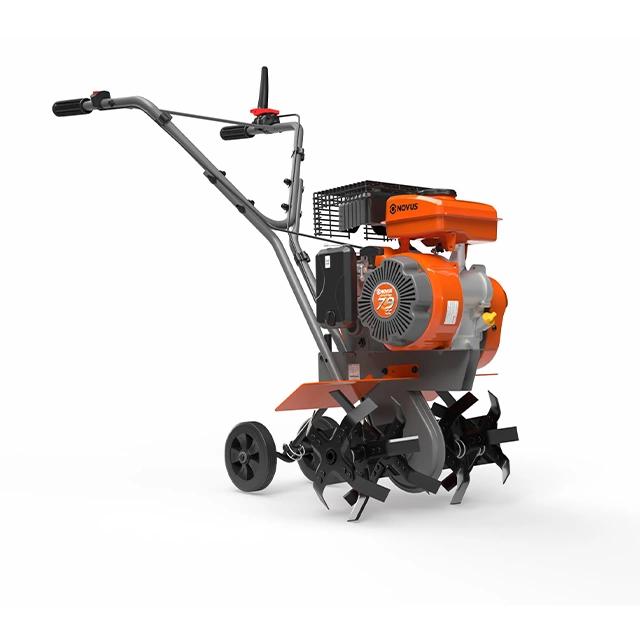
Tiller is an agricultural machinery that loosens, breaks up, and mixes the soil by rotating its blades.
Unlike large tractors or plows, Tiller is smaller in size and more flexible in operation, and is mainly used for soil operations on small to medium-sized plots of land.

How a Tiller Works
- The rotating blades penetrate the soil
- Break up compacted soil clumps
- And simultaneously perform soil turning and loosening
Tiller vs Other Farm Equipment
- More efficient than manual hoeing
- More flexible and less costly than tractors
- Suitable for detailed management rather than large-scale plowing
7 Common Farming Tasks a Tiller Can Handle
Soil Tilling and Loosening
Tilling and loosening the soil are the core functions of a tiller. Land that has not been cultivated for a long time or has been frequently trampled is prone to soil compaction, which hinders root growth and water penetration.
Using a tiller can:
- Break the compacted layer
- Enhance soil aeration
- Improve water retention and fertilizer retention capabilities
This operation is particularly suitable for soil preparation before spring and autumn plowing.
Seedbed Preparation Before Planting
Before sowing or transplanting, a smooth and fine soil structure is of great importance. Tiller can break up large chunks of soil, making the surface more uniform and facilitating the full contact between the seeds and the soil.
Common application scenarios include:
- Land preparation before vegetable planting
- Soil treatment before lawn sowing
- Land preparation in flower nursery areas
Weed Control
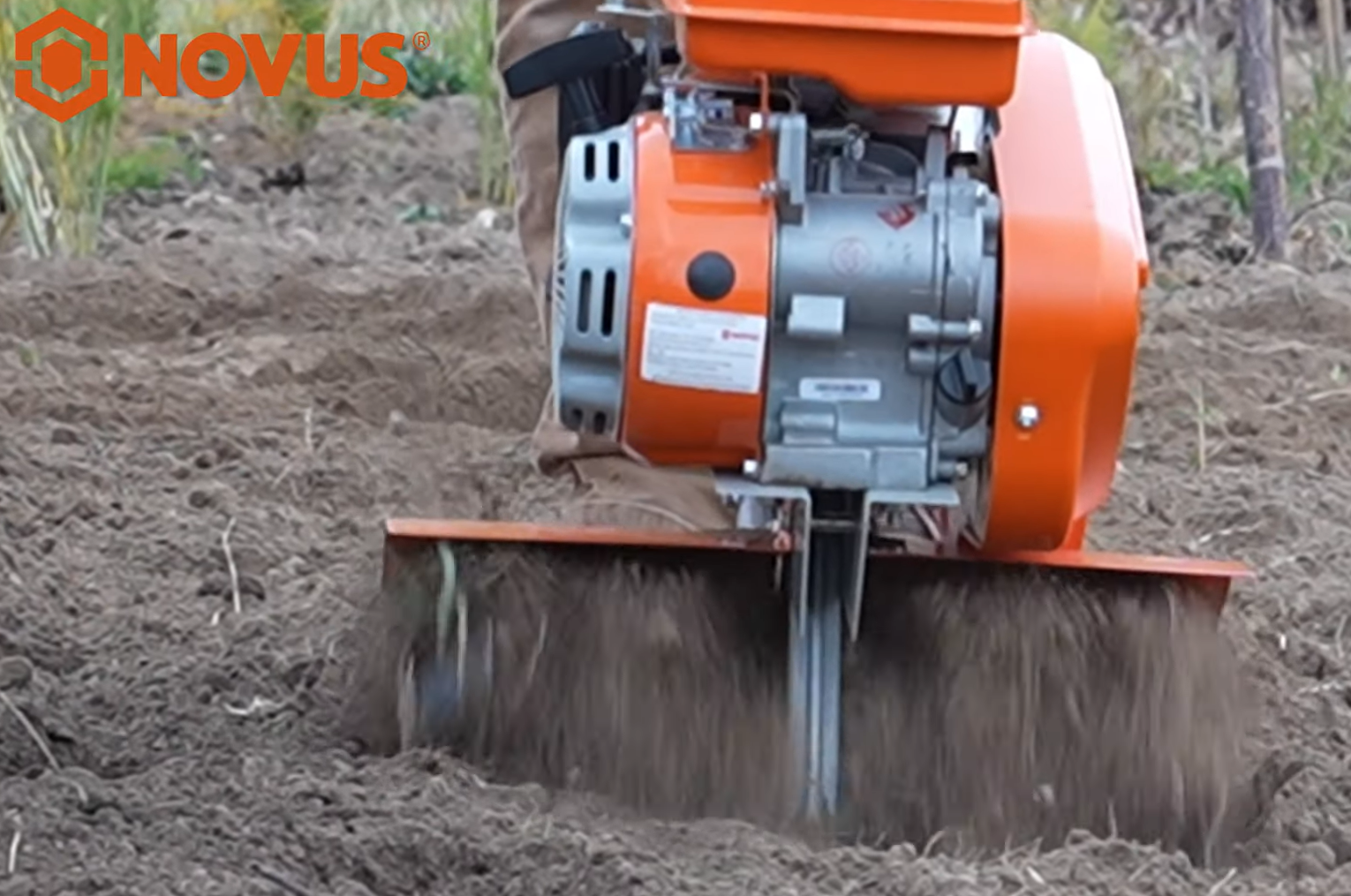
In the early stage of crop growth, the tiller machine can be used for shallow weed removal. The rotating blades can cut the root systems of weeds, inhibiting their further growth.
Suitable weed control scenarios:
- Weed control between rows
- When the crop has not yet fully closed its rows
It should be noted that the tiller is more suitable for controlling weeds at the surface layer and cannot completely replace chemical or manual deep weed removal.
Mixing Compost and Soil Amendments
The cultivator not only turns the soil, but also helps to evenly mix soil improvement materials, such as:
- Compost
- Organic fertilizer
- Humus
Through tillage operations, these substances can be more evenly distributed in the root zone activity layer, thereby improving nutrient utilization efficiency and enhancing soil structure.
Orchard Row Management
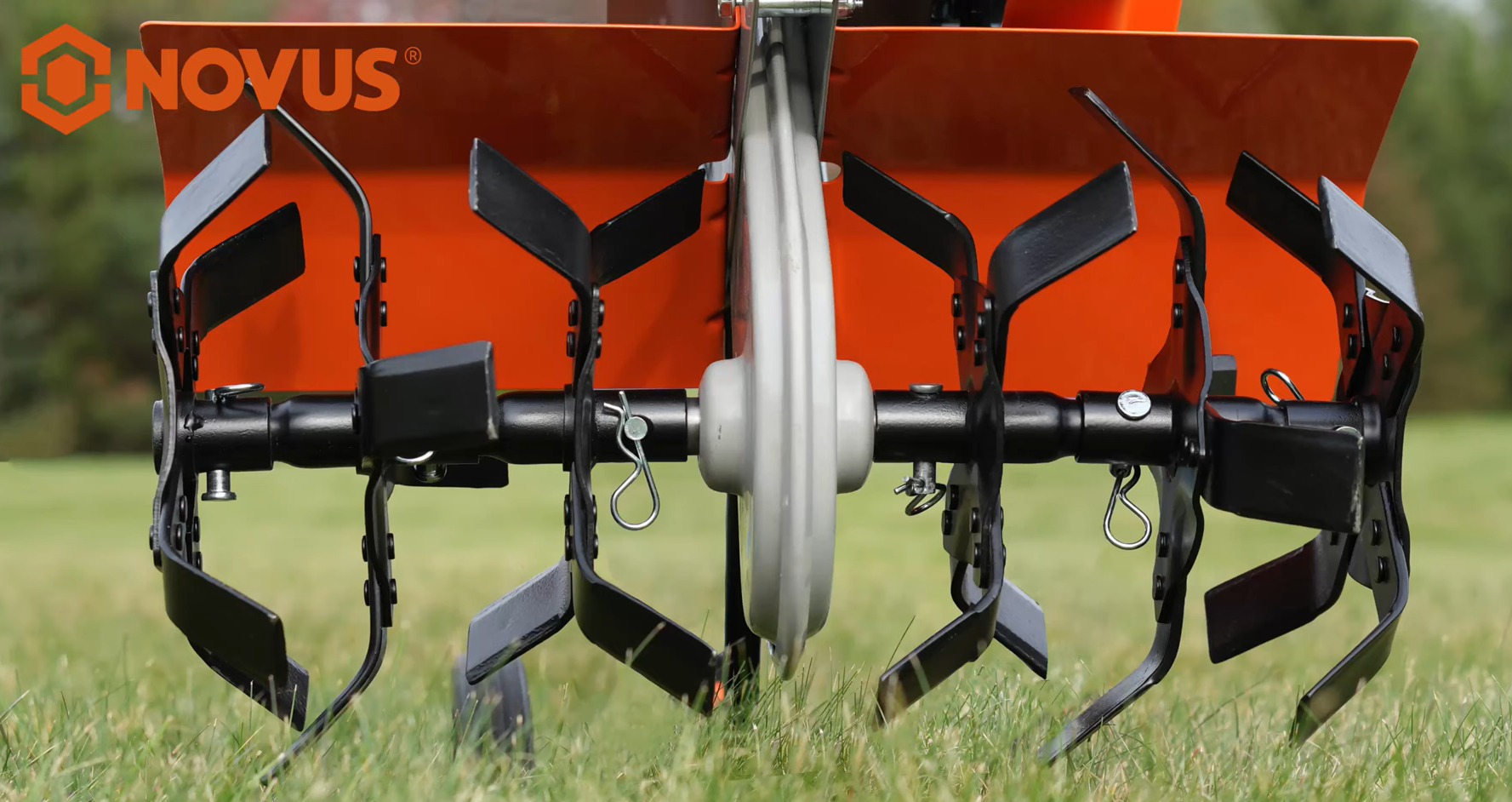
In the orchard, soil management between rows is extremely crucial.
Tiller can be used for:
- Weeding between tree rows
- Preventing weed growth
- Improving air circulation in the root zone
Compared to large machinery, the tiller is more flexible in narrow row spacings and is less likely to damage the main roots of the trees.
Greenhouse and Tunnel Farming
The space in greenhouses and greenhouses is limited, and manual soil turning is time-consuming and labor-intensive. Moreover, large machinery is difficult to access.
This is precisely where the tiller excels.
In greenhouses, the tiller can be used for:
- Preparing the soil before vegetable planting
- Relieving compacted soil in consecutive plantings
- Increasing operational efficiency
Small-Scale Land Reclamation and Renovation
For land that has been idle for a long time or needs to be re-planned, tiller can accomplish the following:
- Renovation of old vegetable plots
- Conversion of grassland to planting land
- Land consolidation during the off-season
Although not suitable for deep reclamation, it is highly efficient in small-scale reclamation.
What Tasks Are Tillers Not Suitable For?
Although versatile, the tiller is not a universal device.
The following scenarios are not suitable for using a tiller:
- Large-scale, deep plowing operations
- Land with excessive stones and dense obstacles
- Paddy fields or long-term muddy environments
In these cases, larger tractors or specialized agricultural machinery are more appropriate.
How to Choose the Right Tiller for Your Farming Tasks
Select by type of work
- Weeding and row management: Light or low-power tiller
- Tilling and land preparation: Medium-sized tiller, with stronger blades
Select by land area
- Home vegetable garden, small plots: Small or electric tiller
- Small farms, orchards: Gas-powered medium-sized tiller
Choosing the appropriate model allows for a balance between efficiency and operational experience.
Tiller vs Other Farm Tools: Is a Tiller Worth Buying?
Compared with manual hoeing, the tiller can significantly reduce physical exertion;
Compared with tractors, it is cheaper in cost, easier to maintain and more convenient to store.
If your land:
- Has a small area
- Has a high frequency of operations
- Requires flexible and precise management
Then the tiller is a highly cost-effective choice.
Conclusion: Who Should Use a Tiller?
Tillers are an excellent choice for:
- Home gardeners
- Small farm operators
- Orchard and greenhouse growers
If your work involves regular soil loosening, seedbed preparation, weed control, or soil amendment mixing, a well-chosen tiller can significantly improve productivity while reducing labor costs.


Leave feedback about this