

The actual fuel consumption of the inverter generator is relatively high, and this does not necessarily indicate a malfunction of the equipment. Fuel consumption is influenced by the electrical load, engine speed, operating conditions, and the maintenance status of the equipment.
One of the major advantages of the inverter generator is that it can adjust the engine speed according to the electrical demand. Most traditional generators operate at a fixed speed, while the inverter generator reduces the speed when the load decreases. In most cases, it has better fuel economy. However, if the duration of the equipment’s operation suddenly drops significantly, it is necessary to investigate the specific causes.
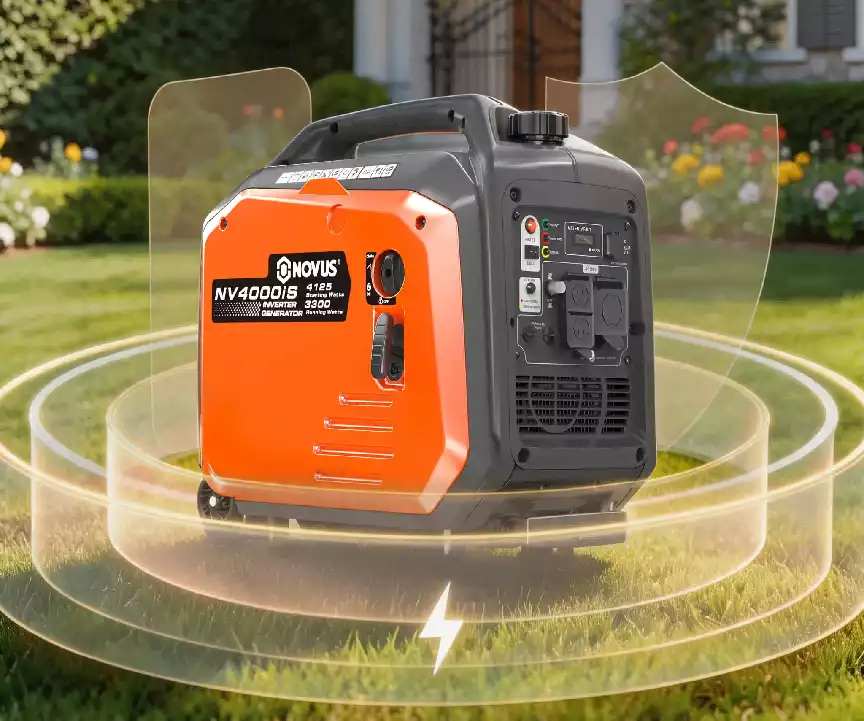
What Causes an Inverter Generator to Use More Fuel?
Several factors can increase fuel consumption. The most important ones are usually related to load, engine speed, and engine condition.
A Higher Electrical Load
The more electricity your generator needs to produce, the more fuel the engine generally consumes.
For example, running a few lights and charging devices requires relatively little power. Running an air conditioner, water pump, refrigerator, or power tools can require considerably more.
Pay particular attention to equipment with motors. Some appliances have a higher starting wattage than their normal running wattage. The generator may need to produce additional power when these devices start.
If you recently connected more equipment to the generator, higher fuel consumption may simply be the normal result of the increased load.
The Engine Is Running at High RPM
The engine speed directly determines the fuel consumption. If the inverter generator operates at a high speed for a long time, the fuel consumption will be significantly higher than that in the low-load and reduced-speed operation condition.
The design of the inverter plays a crucial role here. The equipment can dynamically adjust the engine speed according to the actual power demand.
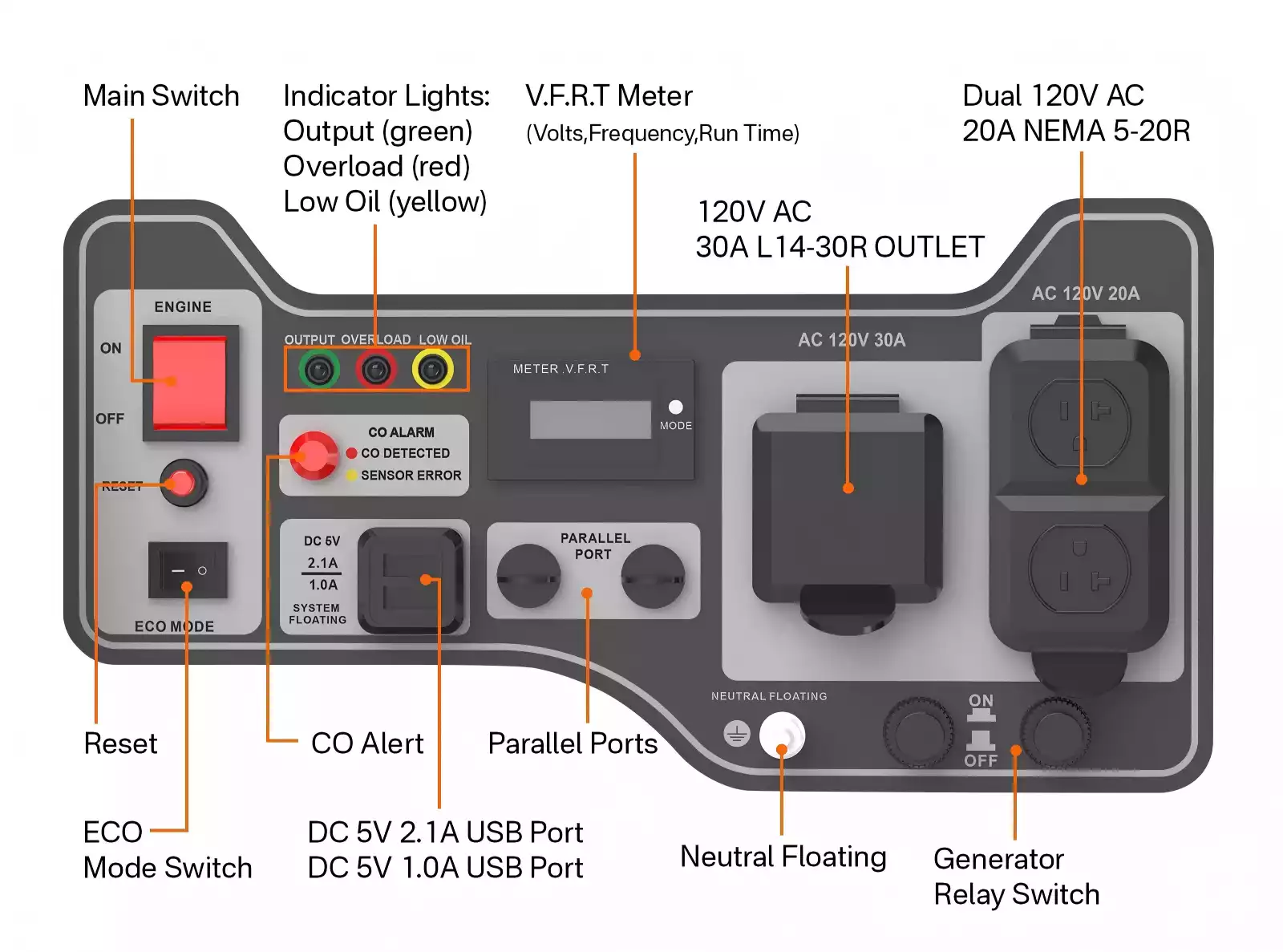
For models equipped with the ECO mode, when the load is low or stable, the engine speed will be automatically reduced to reduce unnecessary fuel loss.
However, the ECO mode is not universal. Equipment such as water pumps, compressors, and air conditioners require a large power output when they start up and are not suitable for this mode. Please strictly follow the original factory operation instructions and usage recommendations for actual use.
Learn more about the ECO mode of the inverter generator:
Should You Always Use Eco Mode on an Inverter Generator?
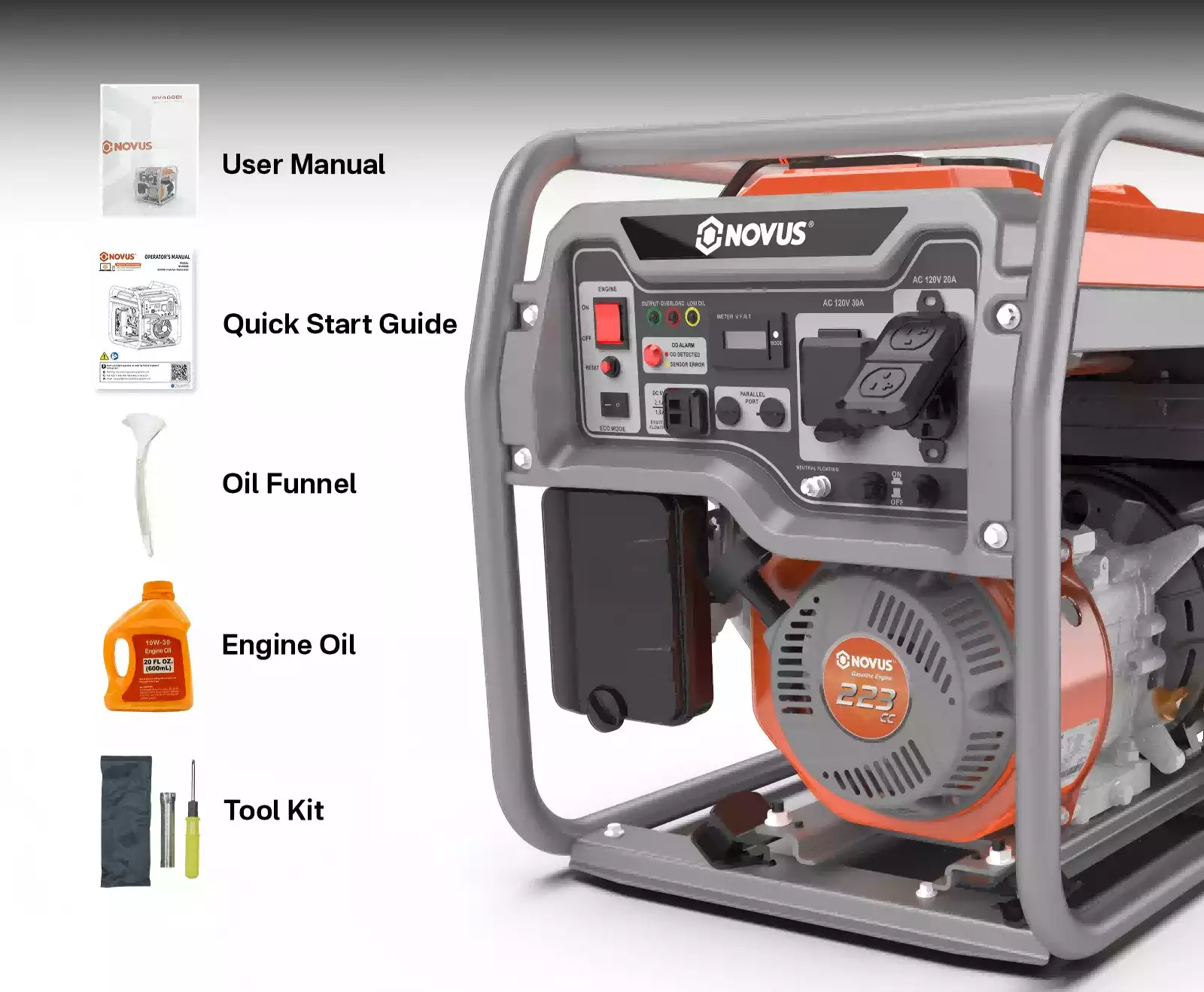
Maintenance Problems
A generator that is not properly maintained may also become less efficient.
Common items to check include:
- Air filter: A dirty filter can restrict airflow to the engine.
- Spark plug: A worn or fouled spark plug can affect ignition and combustion.
- Engine oil: Oil should be checked and replaced according to the maintenance schedule.
- Fuel system: Old fuel or deposits can affect engine operation.
These problems may not immediately cause a dramatic increase in fuel consumption, but they can contribute to poor engine performance over time.
Old or Poor-Condition Fuel
Fuel condition is another factor that is easy to overlook.
If gasoline has been stored for a long time, its quality can deteriorate. Problems in the fuel system can also affect how the engine runs.
For generators that are used only occasionally, proper fuel storage is particularly important. Follow the manufacturer’s recommendations for fuel selection, storage, and long-term shutdown.
How Can You Tell If Your Inverter Generator Is Using Too Much Fuel?
Before deciding that your generator has unusually high fuel consumption, compare it under similar operating conditions.
A simple way to do this is to track:
| What to Compare | Why It Matters |
| Fuel used | Shows how much fuel was consumed |
| Running time | Allows you to estimate fuel consumption per hour |
| Electrical load | Higher loads normally require more fuel |
| ECO mode | Can affect engine speed and fuel use |
| Operating conditions | Temperature and other conditions can affect performance |
For example, if a generator uses 4 gallons during 8 hours of operation:
4 ÷ 8 = 0.5 gallons per hour
But this number alone does not tell you whether the generator is efficient. You also need to know what load it was powering.
Compare Like With Like
A useful comparison would be:
Same generator + similar electrical load + similar operating conditions
If the generator previously ran for 8 hours under a similar load but now runs for only 5 hours, the change is worth investigating.
If you simply connected additional equipment, however, higher fuel consumption may be completely normal.

Look for Other Warning Signs
Fuel consumption deserves more attention when it increases together with other symptoms, such as:
- Black exhaust smoke
- Rough or unstable engine operation
- Difficulty starting
- Reduced power output
- Strong or unusual gasoline smell
- Fuel leakage
When several of these symptoms appear together, checking the generator rather than simply changing your operating habits is a better approach.
Related Articles:
How Long Can an Inverter Generator Run on a Full Tank of Gas?
How to Reduce Inverter Generator Fuel Consumption
Reducing fuel consumption is mainly about matching the generator to the load and keeping the engine operating efficiently.
1. Avoid Unnecessary Electrical Loads
Start with the easiest step: disconnect equipment that does not need to run.
If several high-power appliances are operating at the same time, consider whether they can be used separately. Reducing the total load can reduce the amount of power the generator needs to produce.
2. Use ECO Mode When Appropriate
If your inverter generator has an ECO mode, use it when the electrical load is relatively light and stable.
The generator can reduce engine speed instead of continuously operating at a higher RPM.
For equipment with significant startup requirements, follow the manufacturer’s recommendations rather than choosing ECO mode solely for fuel savings.
3. Keep Up With Routine Maintenance
Regular maintenance helps the engine maintain its expected performance.
A basic maintenance routine should include:
- Checking and cleaning or replacing the air filter
- Inspecting the spark plug
- Checking engine oil
- Inspecting the fuel system
- Following the recommended service intervals
4. Choose the Right Generator Size
A generator should be large enough to handle both the normal running load and the starting demands of your equipment.
A generator that is constantly pushed close to its maximum output is not an ideal choice for long-term operation.
At the same time, choosing a much larger generator than necessary does not automatically mean better fuel economy. The better approach is to select a capacity that matches your typical application.
If you are comparing models for different applications, you can explore the NOVUS inverter generator range.


Leave feedback about this