

For plants to grow well and be healthy, rich soil is paramount. Soil matters whether it is plant vegetable or fruits. However, the best device that can be of much help to gardeners and make the task of having good soil achievable is the garden tiller. This tiller combines efficient tillage with uniform soil mixing, allowing gardeners to create conditions more conducive to plant growth with less effort.
In this article, we will explore different types of garden rear tine tillers and other methods for improving soil conditions, and provide some practical suggestions for effectively using rototillers in your home garden to help you prepare fully for planting.
Types and Sizes of Garden Tillers on the Market
Garden tillers can come in different forms and can vary in size according to what works best in different gardens and differing consumer preferences. Knowledge in this area plays a role in identifying a tiller that will give you the results you need.
Front Tine vs. Rear Tine Tillers
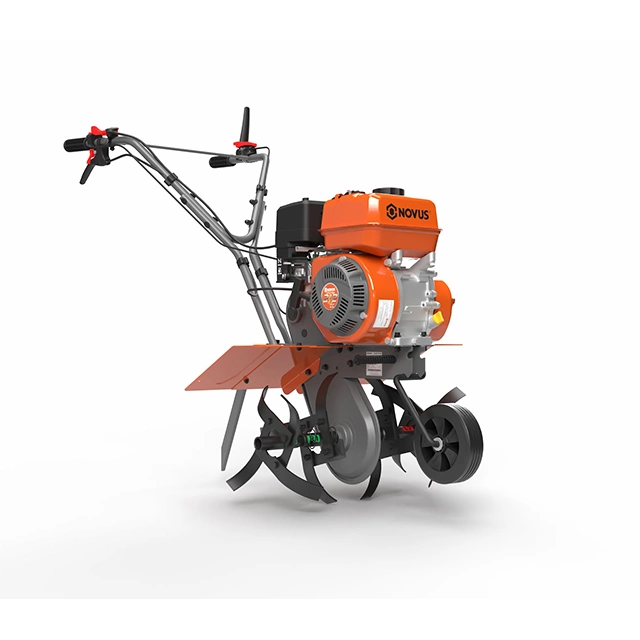
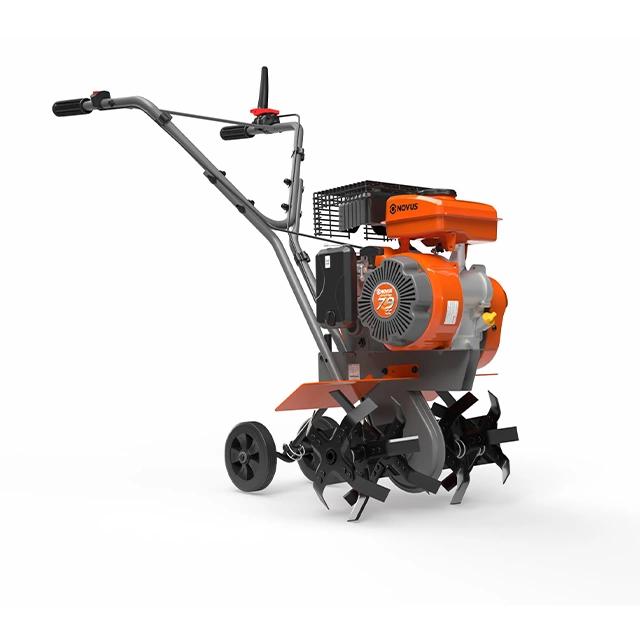
Tillers may be broadly categorized into two types: Front Tine Tillers or Rear Tine Tillers. Front tine tillers are lighter in weight, more portable, and are better to use in confined spaces. They are very effective for light garden tilling or preparing flower beds.
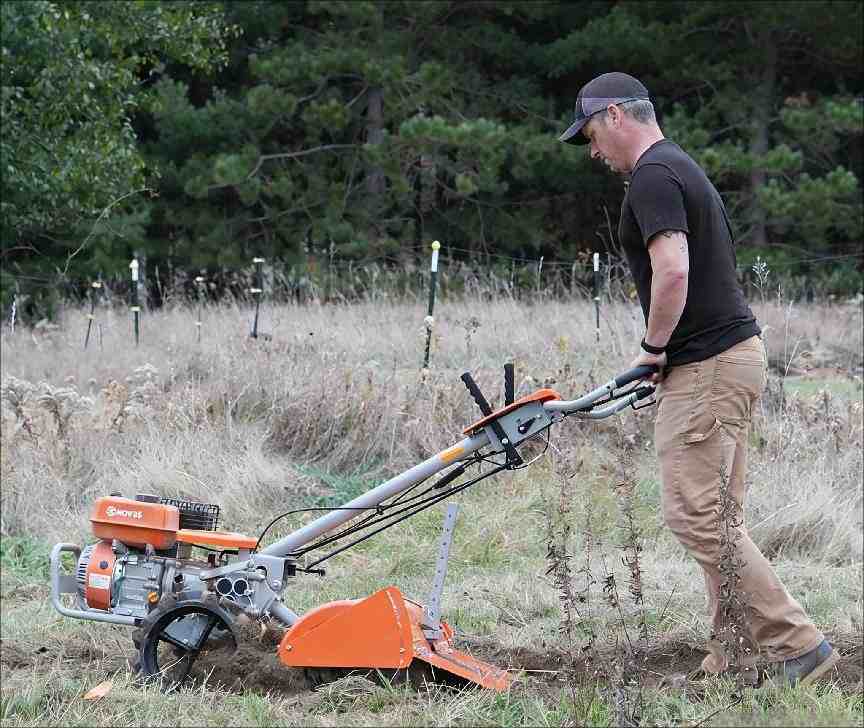
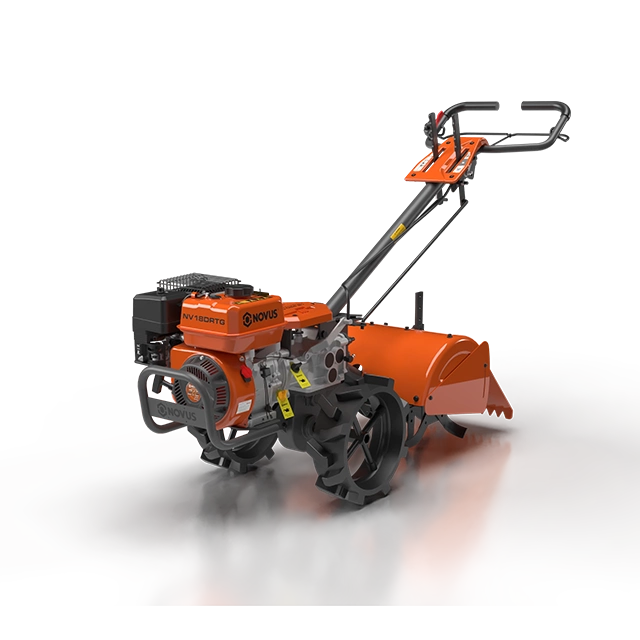
Rear tine tillers, on the other hand, are used for more challenging soil. With tines located behind the wheels and powered by the engine, they provide more stability and consistent depth while working the soil. This design makes it particularly suitable for home gardens that require deep plowing, soil improvement, or the addition of compost and organic fertilizers.
Related Articles: Front Tine vs Rear Tine Tiller: Which Is Best for Your Garden?
Electric vs. Gas Tillers
Garden tillers can be categorized based on their power source. Electric garden tillers are lighter in weight and simpler to maintain compared to gas-powered tillers. Electric garden tillers are ideal for small gardens or indoor gardens with containers and beds. On the other hand, gas-powered garden tillers are ideal for medium to large gardens and dense soil.
The decision to buy an electric or gas mower would depend on what garden is to be worked on and how much effort you want to put into operating the machine.
Related Articles: Electric vs Gas Garden Tiller: Which One Is Right for Your Garden?
Common Tiller Widths for Home Gardens
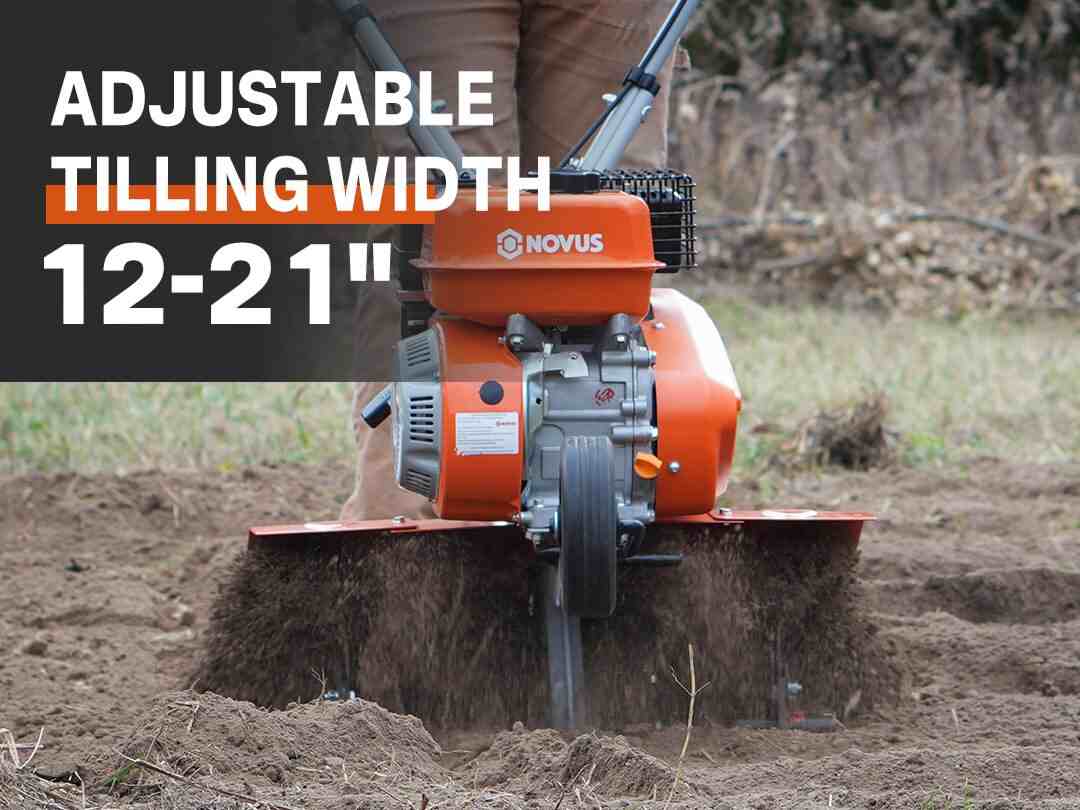
To meet the various requirements of garden cultivation, there are currently various sizes of garden tillers available on the market, with widths typically ranging from 16 to 21 inches. Among them, a rear tine tiller with a working width of 18 inches is a good choice. It can meet the cultivation needs of most family gardens and is also convenient for ordinary gardeners to operate. Depending on the type of soil, the size of the garden, and personal preferences, other common sizes such as 17 inches or 21 inches, rear tine tillers are also available.
How a Garden Rear Tine Tiller Improves Soil Conditions
With a good rear tine tiller in place, the advantages for soil quality and soil fertility are clear. These tools are far more than soil turners—they can take the soil and provide a blend of control and consistency that makes a big difference in a garden.
Consistent Working Depth
Rear tine tillers excel at maintaining a consistent depth while working the soil. The rear tine design ensures that the tines dig in evenly, reducing the risk of shallow patches or uneven cultivation. This stability allows gardeners to work the soil more thoroughly, promoting better root penetration and healthier plant growth.
Even Mixing of Organic Matter
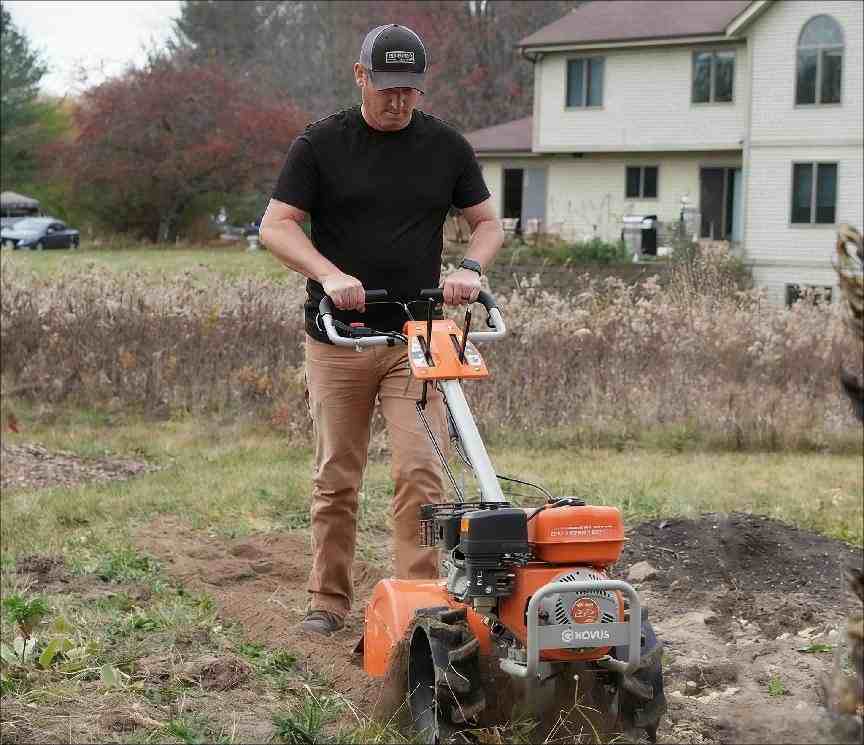
A key factor in soil fertility is the uniform incorporation of compost, manure, or other organic amendments. A rear tine tiller evenly blends these materials into the soil, avoiding the common issue of amendments remaining on the surface or in clumps. This results in soil that is better aerated, more nutrient-rich, and ready to support robust plant growth.
Proper mixing also ensures that nutrients are distributed where they are most effective—throughout the root zone rather than concentrated in one layer.
Improved Control on Tough or Uneven Ground
Rear tine tillers provide superior control on compact or uneven soils. Their rear-mounted tines and powered design help prevent the machine from hopping or slipping, which can happen with lighter front tine models. This makes it easier to work older garden beds, clay-heavy soil, or areas that have been compacted over time, resulting in a more uniform soil structure that supports plant health.
Best Practices for Using a Rear Tine Tiller to Improve Soil Fertility
To maximize the performance of the rear tine tiller and protect the soil health, please refer to the following practical guide.
Best Timing for Garden Tilling
Timing of farming plays a very significant role. Normally, the best time for employing the garden tiller is either autumn or spring seasons. It is, however, important to note that if the soil is wet, it is advisable to refrain from using the plow machine since this will result in drying and the formation of large clumps of soil, which might have the effect of slowing down the farming process. Wait for one to two days after the rain and you will get the best results. If there has been no rain for a long time, it is advisable that you wet it using the hose or sprinkler system a few days before the farming process for better results. To check the soil’s suitability for the farming process, you can attempt to grab some soil and squeeze it gently using your hands. If the soil is easily broken, the moisture level is ideal.
Recommended Tilling Depth
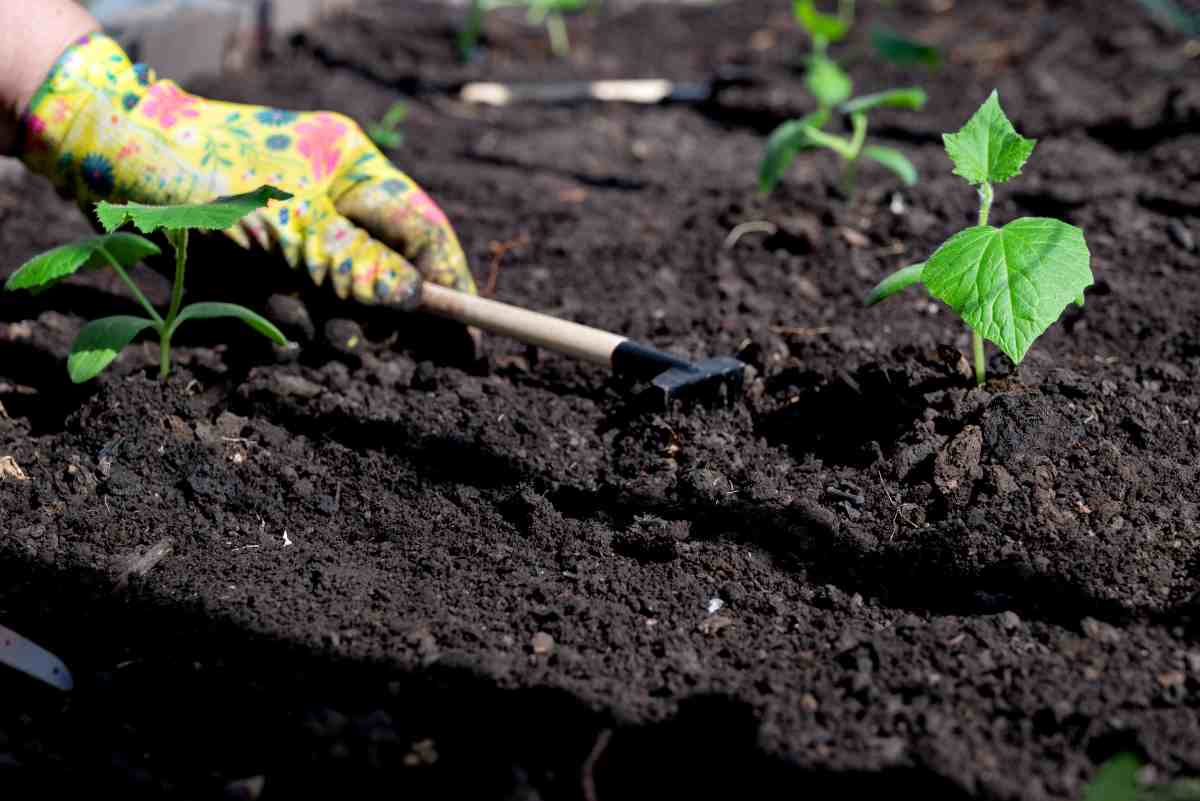
The soil may become damaged through excessive cropping, which may cause it to become exposed to subsoil, or through insufficient cropping, which may lead to hardpan formation below the soil. In most domestic gardens, augmentation depths between 6 to 8 inches are necessary to adequately aerate the soil without interfering with biotic activity.
Common Mistakes to Avoid
- Over-tilling: This is when soil is deeply tilled repeatedly; this may affect soil texture
- Moving too quickly: If the tiller is moved at a faster speed, uneven crop development may happen.
- Neglecting post-tilling care: After tilling is completed, care of soil involves leaving it level or raking it and using mulch or cover crops if needed in order to improve soil quality.
Meanwhile, when operating the tiller, it is very important to follow proper safety considerations. This is a machine with sharp blades and strong power; one must be aware of how it is controlled and any safety features on it. Carefully read the operation manual, wearing proper attire that includes boots, long pants, sleeves, and possibly eye protection as well.


Leave feedback about this