

Power outages, weekend camping, and RV trips have led many consumers to ask the same question: Is an inverter generator really worth the higher price? Traditional portable generators are cheaper and often have higher power ratings, but inverter models continue to top the bestseller lists on Amazon, Home Depot, and RV forums.
This guide will objectively analyze the real pros and cons, identify the most suitable user groups, and help you make the right purchasing decision in 2026.
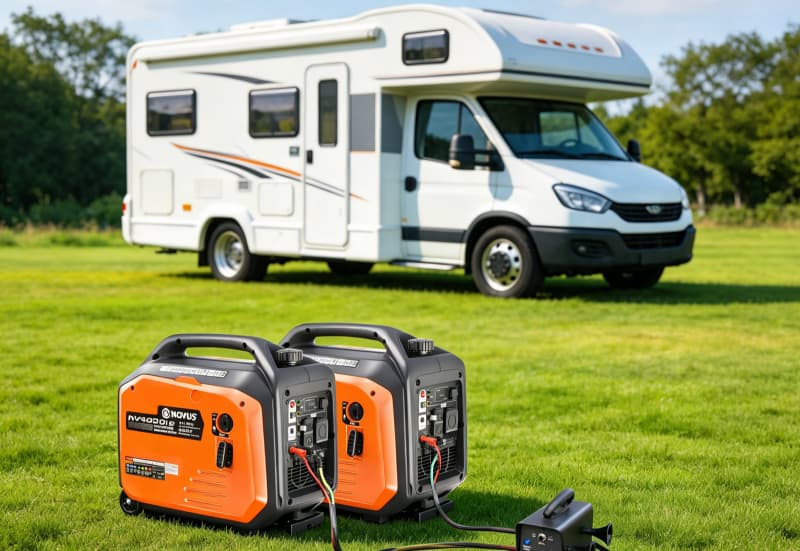
What Is an Inverter Generator?
An inverter generator produces electricity through three steps. The engine first generates raw alternating current (AC), then converts it to direct current (DC), and finally “inverts” it back to clean, stable AC. This process outputs a pure sine wave with a total harmonic distortion (THD) typically below 3%.
The result is safer electricity, suitable for sensitive electronic devices, quieter operation, and higher fuel efficiency. Most modern inverter generators also feature an Eco mode, which automatically adjusts the engine speed according to the load.
Inverter Generator Pros and Cons
Advantages of Inverter Generators
- Cleaner Electricity: Safely power laptops, TVs, smartphones, routers, and medical devices such as CPAP machines.
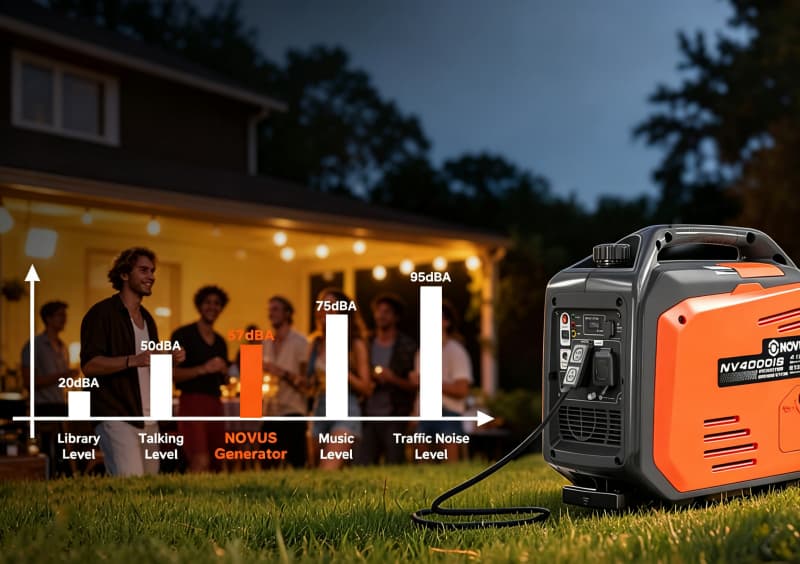
- Quieter Operation: Most models operate at 50–60 decibels at 25% load, close to normal conversation. Suitable for campgrounds and residential areas with noise restrictions.
- More Fuel Efficient: The engine only increases speed when needed. Significantly lower gasoline or propane consumption at light or medium loads.
- More Portable: Inverter generators are typically lighter and more compact than traditional models for the same power output.
- Parallel Support: Many models can be connected in parallel to double the power output.
- Dual Fuel Options: Many popular models support both gasoline and propane, providing greater fuel flexibility in emergencies.
Disadvantages of Inverter Generators
- The initial costs are higher—typically 30%–100% more expensive than a conventional generator of equivalent capacity.
- The maximum power output is often lower than a conventional generator within the same budget. For high-load construction tools or whole-house backup power, a conventional or home backup generator may still be more suitable.
- The electronic components are more complex, and out-of-warranty repair costs may be higher.
- It’s still a fuel-powered appliance—it produces exhaust fumes, requires regular maintenance, and should never be used indoors.
Is an Inverter Generator Worth Buying?
Whether they are worth buying depends primarily on three factors: how you plan to use them, how frequently you will use them, and what you value most.
If you need quiet operation, clean electricity (suitable for electronic devices), and good portability, then the higher price is usually worthwhile. Better fuel efficiency and lower noise will gradually recoup the cost over frequent camping, RV trips, or periods of prolonged power outages.
If you are only looking for the lowest cost per watt and primarily use high-power tools in open areas and are not sensitive to noise, then a traditional open-rack generator can provide more power for less money.
Increasingly, buyers are also comparing inverter generators to portable energy storage systems (battery systems). Energy storage systems are better suited for short-duration operation, zero noise, and indoor use; inverter generators are more practical for longer operation, higher continuous power, and quick refueling.
Who Should Buy an Inverter Generator?
Rental car and Van Life users
When camping at campsites or in areas with strict noise regulations, quiet power is extremely important. Inverters with power ranging from 3000 to 4500 watts can power household refrigerators, charge the battery of the camper, and drive an air conditioner with proper load management.
Camping and outdoor enthusiasts
Whether in national forests, state parks, or dispersed campsites, low noise and clean power make inverters the preferred choice for lighting, running portable refrigerators, fans, and charging devices, without disturbing others.
Homeowners needing a home emergency backup power supply
For critical loads such as refrigerators, freezers, lighting, Wi-Fi routers, sewage pumps, and medical equipment, high-quality inverters can provide reliable and clean power during hurricanes, winter storms, or power grid failures. Models with carbon monoxide (CO) sensors add important safety protection.
People relying on sensitive electronic devices or medical equipment
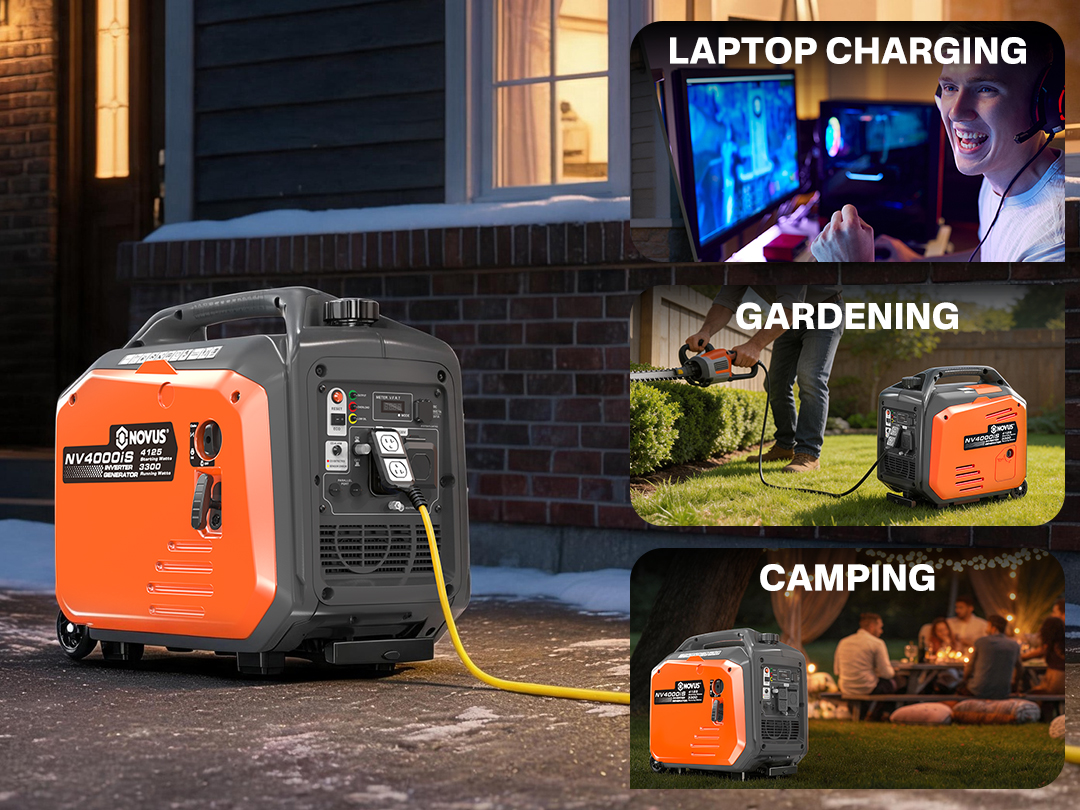
Users with computers, modern TVs, or those relying on CPAP, oxygen generators, and other life support equipment can benefit from the stable and pure sine wave power provided by inverters.
Tailgate parties and outdoor event organizers
When you want to use a TV, speakers, slow cookers, or lights on game day, but don’t want to be disturbed by the roar of a construction generator, an inverter model can maintain a relaxed and enjoyable atmosphere.
Users seeking flexible power
Supporting parallel inverters allows you to buy one and add a second when needed. This modular approach is more flexible than directly purchasing a large-power traditional generator.
Who Should Probably Skip an Inverter Generator?
Those with a very limited budget who only want to obtain the maximum power at the lowest price.
Contractors or users who mainly use high-power tools (table saws, air compressors, welders) on open construction sites and are not sensitive to noise.
Homeowners who want a true whole-house backup power supply and connect it through a transfer switch for fixed-use household backup generators.
People who strongly prefer zero-maintenance, zero-emission solutions and are willing to invest in large-capacity energy storage power sources + solar energy.
Practical Buying Tips
First, calculate the actual power demand. Add up the operating power of all the devices that will be used simultaneously, and then check the starting (surge) power of any motors or compressors. Select a generator that has at least a 20% reserve capacity.
Focus on these key features that are most important in the US market:
- Built-in automatic shutdown sensor for carbon monoxide (CO)
- Compliant with EPA and CARB (required by California and some other states)
- Dual fuel capability, offering more flexible fuel selection
- Supports parallel kits
- Clearly marked operating times at 25% and 50% load
Conclusion: Is an inverter generator worth buying?
For most recreational users, campervan owners, and families that need to provide clean and quiet backup power for critical loads, the 2026 inverter generator is a worthwhile investment. The combination of low noise, high fuel efficiency, and safe power for electronic devices solves the practical problems brought by traditional generators.


Leave feedback about this